Compare commits
7 Commits
feat/ml-ar
...
web/automa
| Author | SHA1 | Date | |
|---|---|---|---|

|
736b968eab | ||
|
|
d5d8426bda | ||
|
|
7e92ef9428 | ||
|
|
372fae20d9 | ||
|
|
16543a233b | ||
|
|
73b961f5fa | ||
|
|
e0d15c96f1 |
@@ -4,7 +4,6 @@
|
||||
|
||||
design/
|
||||
docker/
|
||||
!docker/scripts
|
||||
docs/
|
||||
e2e/
|
||||
fastlane/
|
||||
@@ -24,6 +23,7 @@ server/node_modules/
|
||||
server/upload/
|
||||
server/dist/
|
||||
server/www/
|
||||
server/test/assets/
|
||||
|
||||
web/node_modules/
|
||||
web/coverage/
|
||||
|
||||
2
.gitattributes
vendored
@@ -2,6 +2,8 @@ mobile/openapi/**/*.md -diff -merge
|
||||
mobile/openapi/**/*.md linguist-generated=true
|
||||
mobile/openapi/**/*.dart -diff -merge
|
||||
mobile/openapi/**/*.dart linguist-generated=true
|
||||
mobile/openapi/.openapi-generator/FILES -diff -merge
|
||||
mobile/openapi/.openapi-generator/FILES linguist-generated=true
|
||||
|
||||
mobile/lib/**/*.g.dart -diff -merge
|
||||
mobile/lib/**/*.g.dart linguist-generated=true
|
||||
|
||||
5
.github/FUNDING.yml
vendored
Normal file
@@ -0,0 +1,5 @@
|
||||
# These are supported funding model platforms
|
||||
|
||||
github: immich-app
|
||||
liberapay: alex.tran1502
|
||||
custom: https://www.buymeacoffee.com/altran1502
|
||||
4
.github/ISSUE_TEMPLATE/config.yml
vendored
@@ -1,11 +1,11 @@
|
||||
blank_issues_enabled: false
|
||||
contact_links:
|
||||
- name: I have a question or need support
|
||||
url: https://discord.immich.app
|
||||
url: https://discord.gg/D8JsnBEuKb
|
||||
about: We use GitHub for tracking bugs, please check out our Discord channel for freaky fast support.
|
||||
- name: Feature Request
|
||||
url: https://github.com/immich-app/immich/discussions/new?category=feature-request
|
||||
about: Please use our GitHub Discussion for making feature requests.
|
||||
- name: I'm unsure where to go
|
||||
url: https://discord.immich.app
|
||||
url: https://discord.gg/D8JsnBEuKb
|
||||
about: If you are unsure where to go, then joining our Discord is recommended; Just ask!
|
||||
|
||||
35
.github/labeler.yml
vendored
@@ -1,35 +0,0 @@
|
||||
cli:
|
||||
- changed-files:
|
||||
- any-glob-to-any-file:
|
||||
- cli/src/**
|
||||
|
||||
documentation:
|
||||
- changed-files:
|
||||
- any-glob-to-any-file:
|
||||
- docs/blob/**
|
||||
- docs/docs/**
|
||||
- docs/src/**
|
||||
- docs/static/**
|
||||
|
||||
🖥️web:
|
||||
- changed-files:
|
||||
- any-glob-to-any-file:
|
||||
- web/src/**
|
||||
- web/static/**
|
||||
|
||||
📱mobile:
|
||||
- changed-files:
|
||||
- any-glob-to-any-file:
|
||||
- mobile/lib/**
|
||||
- mobile/test/**
|
||||
|
||||
🗄️server:
|
||||
- changed-files:
|
||||
- any-glob-to-any-file:
|
||||
- server/src/**
|
||||
- server/test/**
|
||||
|
||||
🧠machine-learning:
|
||||
- changed-files:
|
||||
- any-glob-to-any-file:
|
||||
- machine-learning/app/**
|
||||
2
.github/workflows/build-mobile.yml
vendored
@@ -45,7 +45,7 @@ jobs:
|
||||
uses: subosito/flutter-action@v2
|
||||
with:
|
||||
channel: 'stable'
|
||||
flutter-version-file: ./mobile/pubspec.yaml
|
||||
flutter-version: '3.19.3'
|
||||
cache: true
|
||||
|
||||
- name: Create the Keystore
|
||||
|
||||
29
.github/workflows/cli.yml
vendored
@@ -1,17 +1,16 @@
|
||||
name: CLI Build
|
||||
on:
|
||||
workflow_dispatch:
|
||||
push:
|
||||
branches: [main]
|
||||
paths:
|
||||
- 'cli/**'
|
||||
- '.github/workflows/cli.yml'
|
||||
- "cli/**"
|
||||
- ".github/workflows/cli.yml"
|
||||
pull_request:
|
||||
branches: [main]
|
||||
paths:
|
||||
- 'cli/**'
|
||||
- '.github/workflows/cli.yml'
|
||||
release:
|
||||
types: [published]
|
||||
- "cli/**"
|
||||
- ".github/workflows/cli.yml"
|
||||
|
||||
concurrency:
|
||||
group: ${{ github.workflow }}-${{ github.ref }}
|
||||
@@ -33,8 +32,8 @@ jobs:
|
||||
# Setup .npmrc file to publish to npm
|
||||
- uses: actions/setup-node@v4
|
||||
with:
|
||||
node-version-file: './cli/.nvmrc'
|
||||
registry-url: 'https://registry.npmjs.org'
|
||||
node-version: "20.x"
|
||||
registry-url: "https://registry.npmjs.org"
|
||||
- name: Prepare SDK
|
||||
run: npm ci --prefix ../open-api/typescript-sdk/
|
||||
- name: Build SDK
|
||||
@@ -42,7 +41,7 @@ jobs:
|
||||
- run: npm ci
|
||||
- run: npm run build
|
||||
- run: npm publish
|
||||
if: ${{ github.event_name == 'release' }}
|
||||
if: ${{ github.event_name == 'workflow_dispatch' }}
|
||||
env:
|
||||
NODE_AUTH_TOKEN: ${{ secrets.NPM_TOKEN }}
|
||||
|
||||
@@ -56,10 +55,10 @@ jobs:
|
||||
uses: actions/checkout@v4
|
||||
|
||||
- name: Set up QEMU
|
||||
uses: docker/setup-qemu-action@v3.1.0
|
||||
uses: docker/setup-qemu-action@v3.0.0
|
||||
|
||||
- name: Set up Docker Buildx
|
||||
uses: docker/setup-buildx-action@v3.4.0
|
||||
uses: docker/setup-buildx-action@v3.3.0
|
||||
|
||||
- name: Login to GitHub Container Registry
|
||||
uses: docker/login-action@v3
|
||||
@@ -84,15 +83,15 @@ jobs:
|
||||
images: |
|
||||
name=ghcr.io/${{ github.repository_owner }}/immich-cli
|
||||
tags: |
|
||||
type=raw,value=${{ steps.package-version.outputs.version }},enable=${{ github.event_name == 'release' }}
|
||||
type=raw,value=latest,enable=${{ github.event_name == 'release' }}
|
||||
type=raw,value=${{ steps.package-version.outputs.version }},enable=${{ github.event_name == 'workflow_dispatch' }}
|
||||
type=raw,value=latest,enable=${{ github.event_name == 'workflow_dispatch' }}
|
||||
|
||||
- name: Build and push image
|
||||
uses: docker/build-push-action@v6.3.0
|
||||
uses: docker/build-push-action@v5.3.0
|
||||
with:
|
||||
file: cli/Dockerfile
|
||||
platforms: linux/amd64,linux/arm64
|
||||
push: ${{ github.event_name == 'release' }}
|
||||
push: ${{ github.event_name == 'workflow_dispatch' }}
|
||||
cache-from: type=gha
|
||||
cache-to: type=gha,mode=max
|
||||
tags: ${{ steps.metadata.outputs.tags }}
|
||||
|
||||
4
.github/workflows/docker-cleanup.yml
vendored
@@ -35,7 +35,7 @@ jobs:
|
||||
steps:
|
||||
- name: Clean temporary images
|
||||
if: "${{ env.TOKEN != '' }}"
|
||||
uses: stumpylog/image-cleaner-action/ephemeral@v0.7.0
|
||||
uses: stumpylog/image-cleaner-action/ephemeral@v0.6.0
|
||||
with:
|
||||
token: "${{ env.TOKEN }}"
|
||||
owner: "immich-app"
|
||||
@@ -64,7 +64,7 @@ jobs:
|
||||
steps:
|
||||
- name: Clean untagged images
|
||||
if: "${{ env.TOKEN != '' }}"
|
||||
uses: stumpylog/image-cleaner-action/untagged@v0.7.0
|
||||
uses: stumpylog/image-cleaner-action/untagged@v0.6.0
|
||||
with:
|
||||
token: "${{ env.TOKEN }}"
|
||||
owner: "immich-app"
|
||||
|
||||
14
.github/workflows/docker.yml
vendored
@@ -63,10 +63,10 @@ jobs:
|
||||
uses: actions/checkout@v4
|
||||
|
||||
- name: Set up QEMU
|
||||
uses: docker/setup-qemu-action@v3.1.0
|
||||
uses: docker/setup-qemu-action@v3.0.0
|
||||
|
||||
- name: Set up Docker Buildx
|
||||
uses: docker/setup-buildx-action@v3.4.0
|
||||
uses: docker/setup-buildx-action@v3.3.0
|
||||
|
||||
- name: Login to Docker Hub
|
||||
# Only push to Docker Hub when making a release
|
||||
@@ -115,7 +115,7 @@ jobs:
|
||||
fi
|
||||
|
||||
- name: Build and push image
|
||||
uses: docker/build-push-action@v6.3.0
|
||||
uses: docker/build-push-action@v5.3.0
|
||||
with:
|
||||
context: ${{ matrix.context }}
|
||||
file: ${{ matrix.file }}
|
||||
@@ -124,11 +124,7 @@ jobs:
|
||||
push: ${{ !github.event.pull_request.head.repo.fork }}
|
||||
cache-from: type=registry,ref=ghcr.io/${{ github.repository_owner }}/immich-build-cache:${{matrix.image}}
|
||||
cache-to: ${{ steps.cache-target.outputs.cache-to }}
|
||||
tags: ${{ steps.metadata.outputs.tags }}
|
||||
labels: ${{ steps.metadata.outputs.labels }}
|
||||
build-args: |
|
||||
DEVICE=${{ matrix.device }}
|
||||
BUILD_ID=${{ github.run_id }}
|
||||
BUILD_IMAGE=${{ github.event_name == 'release' && github.ref_name || steps.metadata.outputs.tags }}
|
||||
BUILD_SOURCE_REF=${{ github.ref_name }}
|
||||
BUILD_SOURCE_COMMIT=${{ github.sha }}
|
||||
tags: ${{ steps.metadata.outputs.tags }}
|
||||
labels: ${{ steps.metadata.outputs.labels }}
|
||||
|
||||
48
.github/workflows/docs-build.yml
vendored
@@ -1,48 +0,0 @@
|
||||
name: Docs build
|
||||
on:
|
||||
push:
|
||||
branches: [main]
|
||||
paths:
|
||||
- "docs/**"
|
||||
pull_request:
|
||||
branches: [main]
|
||||
paths:
|
||||
- "docs/**"
|
||||
release:
|
||||
types: [published]
|
||||
|
||||
concurrency:
|
||||
group: ${{ github.workflow }}-${{ github.ref }}
|
||||
cancel-in-progress: true
|
||||
|
||||
jobs:
|
||||
build:
|
||||
runs-on: ubuntu-latest
|
||||
defaults:
|
||||
run:
|
||||
working-directory: ./docs
|
||||
|
||||
steps:
|
||||
- name: Checkout code
|
||||
uses: actions/checkout@v4
|
||||
|
||||
- name: Setup Node
|
||||
uses: actions/setup-node@v4
|
||||
with:
|
||||
node-version-file: './docs/.nvmrc'
|
||||
|
||||
- name: Run npm install
|
||||
run: npm ci
|
||||
|
||||
- name: Check formatting
|
||||
run: npm run format
|
||||
|
||||
- name: Run build
|
||||
run: npm run build
|
||||
|
||||
- name: Upload build output
|
||||
uses: actions/upload-artifact@v4
|
||||
with:
|
||||
name: docs-build-output
|
||||
path: docs/build/
|
||||
retention-days: 1
|
||||
189
.github/workflows/docs-deploy.yml
vendored
@@ -1,189 +0,0 @@
|
||||
name: Docs deploy
|
||||
on:
|
||||
workflow_run:
|
||||
workflows: ["Docs build"]
|
||||
types:
|
||||
- completed
|
||||
|
||||
jobs:
|
||||
checks:
|
||||
runs-on: ubuntu-latest
|
||||
outputs:
|
||||
parameters: ${{ steps.parameters.outputs.result }}
|
||||
steps:
|
||||
- if: ${{ github.event.workflow_run.conclusion == 'failure' }}
|
||||
run: echo 'The triggering workflow failed' && exit 1
|
||||
|
||||
- name: Determine deploy parameters
|
||||
id: parameters
|
||||
uses: actions/github-script@v7
|
||||
with:
|
||||
script: |
|
||||
const eventType = context.payload.workflow_run.event;
|
||||
const isFork = context.payload.workflow_run.repository.fork;
|
||||
|
||||
let parameters;
|
||||
|
||||
console.log({eventType, isFork});
|
||||
|
||||
if (eventType == "push") {
|
||||
const branch = context.payload.workflow_run.head_branch;
|
||||
console.log({branch});
|
||||
const shouldDeploy = !isFork && branch == "main";
|
||||
parameters = {
|
||||
event: "branch",
|
||||
name: "main",
|
||||
shouldDeploy
|
||||
};
|
||||
} else if (eventType == "pull_request") {
|
||||
let pull_number = context.payload.workflow_run.pull_requests[0]?.number;
|
||||
if(!pull_number) {
|
||||
const response = await github.rest.search.issuesAndPullRequests({q: 'repo:${{ github.repository }} is:pr sha:${{ github.event.workflow_run.head_sha }}',per_page: 1,})
|
||||
const items = response.data.items
|
||||
if (items.length < 1) {
|
||||
throw new Error("No pull request found for the commit")
|
||||
}
|
||||
const pullRequestNumber = items[0].number
|
||||
console.info("Pull request number is", pullRequestNumber)
|
||||
pull_number = pullRequestNumber
|
||||
}
|
||||
const {data: pr} = await github.rest.pulls.get({
|
||||
owner: context.repo.owner,
|
||||
repo: context.repo.repo,
|
||||
pull_number
|
||||
});
|
||||
|
||||
console.log({pull_number});
|
||||
|
||||
parameters = {
|
||||
event: "pr",
|
||||
name: `pr-${pull_number}`,
|
||||
pr_number: pull_number,
|
||||
shouldDeploy: true
|
||||
};
|
||||
} else if (eventType == "release") {
|
||||
parameters = {
|
||||
event: "release",
|
||||
name: context.payload.workflow_run.head_branch,
|
||||
shouldDeploy: !isFork
|
||||
};
|
||||
}
|
||||
|
||||
console.log(parameters);
|
||||
return parameters;
|
||||
|
||||
deploy:
|
||||
runs-on: ubuntu-latest
|
||||
needs: checks
|
||||
if: ${{ fromJson(needs.checks.outputs.parameters).shouldDeploy }}
|
||||
steps:
|
||||
- name: Checkout code
|
||||
uses: actions/checkout@v4
|
||||
|
||||
- name: Load parameters
|
||||
id: parameters
|
||||
uses: actions/github-script@v7
|
||||
with:
|
||||
script: |
|
||||
const json = `${{ needs.checks.outputs.parameters }}`;
|
||||
const parameters = JSON.parse(json);
|
||||
core.setOutput("event", parameters.event);
|
||||
core.setOutput("name", parameters.name);
|
||||
core.setOutput("shouldDeploy", parameters.shouldDeploy);
|
||||
|
||||
- run: |
|
||||
echo "Starting docs deployment for ${{ steps.parameters.outputs.event }} ${{ steps.parameters.outputs.name }}"
|
||||
|
||||
- name: Download artifact
|
||||
uses: actions/github-script@v7
|
||||
with:
|
||||
script: |
|
||||
let allArtifacts = await github.rest.actions.listWorkflowRunArtifacts({
|
||||
owner: context.repo.owner,
|
||||
repo: context.repo.repo,
|
||||
run_id: context.payload.workflow_run.id,
|
||||
});
|
||||
let matchArtifact = allArtifacts.data.artifacts.filter((artifact) => {
|
||||
return artifact.name == "docs-build-output"
|
||||
})[0];
|
||||
let download = await github.rest.actions.downloadArtifact({
|
||||
owner: context.repo.owner,
|
||||
repo: context.repo.repo,
|
||||
artifact_id: matchArtifact.id,
|
||||
archive_format: 'zip',
|
||||
});
|
||||
let fs = require('fs');
|
||||
fs.writeFileSync(`${process.env.GITHUB_WORKSPACE}/docs-build-output.zip`, Buffer.from(download.data));
|
||||
|
||||
- name: Unzip artifact
|
||||
run: unzip "${{ github.workspace }}/docs-build-output.zip" -d "${{ github.workspace }}/docs/build"
|
||||
|
||||
- name: Deploy Docs Subdomain
|
||||
env:
|
||||
TF_VAR_prefix_name: ${{ steps.parameters.outputs.name}}
|
||||
TF_VAR_prefix_event_type: ${{ steps.parameters.outputs.event }}
|
||||
CLOUDFLARE_API_TOKEN: ${{ secrets.CLOUDFLARE_API_TOKEN }}
|
||||
CLOUDFLARE_ACCOUNT_ID: ${{ secrets.CLOUDFLARE_ACCOUNT_ID }}
|
||||
TF_STATE_POSTGRES_CONN_STR: ${{ secrets.TF_STATE_POSTGRES_CONN_STR }}
|
||||
uses: gruntwork-io/terragrunt-action@v2
|
||||
with:
|
||||
tg_version: "0.58.12"
|
||||
tofu_version: "1.7.1"
|
||||
tg_dir: "deployment/modules/cloudflare/docs"
|
||||
tg_command: "apply"
|
||||
|
||||
- name: Deploy Docs Subdomain Output
|
||||
id: docs-output
|
||||
env:
|
||||
TF_VAR_prefix_name: ${{ steps.parameters.outputs.name}}
|
||||
TF_VAR_prefix_event_type: ${{ steps.parameters.outputs.event }}
|
||||
CLOUDFLARE_API_TOKEN: ${{ secrets.CLOUDFLARE_API_TOKEN }}
|
||||
CLOUDFLARE_ACCOUNT_ID: ${{ secrets.CLOUDFLARE_ACCOUNT_ID }}
|
||||
TF_STATE_POSTGRES_CONN_STR: ${{ secrets.TF_STATE_POSTGRES_CONN_STR }}
|
||||
uses: gruntwork-io/terragrunt-action@v2
|
||||
with:
|
||||
tg_version: "0.58.12"
|
||||
tofu_version: "1.7.1"
|
||||
tg_dir: "deployment/modules/cloudflare/docs"
|
||||
tg_command: "output -json"
|
||||
|
||||
- name: Output Cleaning
|
||||
id: clean
|
||||
run: |
|
||||
TG_OUT=$(echo '${{ steps.docs-output.outputs.tg_action_output }}' | sed 's|%0A|\n|g ; s|%3C|<|g' | jq -c .)
|
||||
echo "output=$TG_OUT" >> $GITHUB_OUTPUT
|
||||
|
||||
- name: Publish to Cloudflare Pages
|
||||
uses: cloudflare/pages-action@v1
|
||||
with:
|
||||
apiToken: ${{ secrets.CLOUDFLARE_API_TOKEN_PAGES_UPLOAD }}
|
||||
accountId: ${{ secrets.CLOUDFLARE_ACCOUNT_ID }}
|
||||
projectName: ${{ fromJson(steps.clean.outputs.output).pages_project_name.value }}
|
||||
workingDirectory: "docs"
|
||||
directory: "build"
|
||||
branch: ${{ steps.parameters.outputs.name }}
|
||||
wranglerVersion: '3'
|
||||
|
||||
- name: Deploy Docs Release Domain
|
||||
if: ${{ steps.parameters.outputs.event == 'release' }}
|
||||
env:
|
||||
TF_VAR_prefix_name: ${{ steps.parameters.outputs.name}}
|
||||
CLOUDFLARE_API_TOKEN: ${{ secrets.CLOUDFLARE_API_TOKEN }}
|
||||
CLOUDFLARE_ACCOUNT_ID: ${{ secrets.CLOUDFLARE_ACCOUNT_ID }}
|
||||
TF_STATE_POSTGRES_CONN_STR: ${{ secrets.TF_STATE_POSTGRES_CONN_STR }}
|
||||
uses: gruntwork-io/terragrunt-action@v2
|
||||
with:
|
||||
tg_version: '0.58.12'
|
||||
tofu_version: '1.7.1'
|
||||
tg_dir: 'deployment/modules/cloudflare/docs-release'
|
||||
tg_command: 'apply'
|
||||
|
||||
- name: Comment
|
||||
uses: actions-cool/maintain-one-comment@v3
|
||||
if: ${{ steps.parameters.outputs.event == 'pr' }}
|
||||
with:
|
||||
number: ${{ fromJson(needs.checks.outputs.parameters).pr_number }}
|
||||
body: |
|
||||
📖 Documentation deployed to [${{ fromJson(steps.clean.outputs.output).immich_app_branch_subdomain.value }}](https://${{ fromJson(steps.clean.outputs.output).immich_app_branch_subdomain.value }})
|
||||
emojis: 'rocket'
|
||||
body-include: '<!-- Docs PR URL -->'
|
||||
32
.github/workflows/docs-destroy.yml
vendored
@@ -1,32 +0,0 @@
|
||||
name: Docs destroy
|
||||
on:
|
||||
pull_request_target:
|
||||
types: [closed]
|
||||
|
||||
jobs:
|
||||
deploy:
|
||||
runs-on: ubuntu-latest
|
||||
steps:
|
||||
- name: Checkout code
|
||||
uses: actions/checkout@v4
|
||||
|
||||
- name: Destroy Docs Subdomain
|
||||
env:
|
||||
TF_VAR_prefix_name: "pr-${{ github.event.number }}"
|
||||
TF_VAR_prefix_event_type: "pr"
|
||||
CLOUDFLARE_API_TOKEN: ${{ secrets.CLOUDFLARE_API_TOKEN }}
|
||||
CLOUDFLARE_ACCOUNT_ID: ${{ secrets.CLOUDFLARE_ACCOUNT_ID }}
|
||||
TF_STATE_POSTGRES_CONN_STR: ${{ secrets.TF_STATE_POSTGRES_CONN_STR }}
|
||||
uses: gruntwork-io/terragrunt-action@v2
|
||||
with:
|
||||
tg_version: "0.58.12"
|
||||
tofu_version: "1.7.1"
|
||||
tg_dir: "deployment/modules/cloudflare/docs"
|
||||
tg_command: "destroy"
|
||||
|
||||
- name: Comment
|
||||
uses: actions-cool/maintain-one-comment@v3
|
||||
with:
|
||||
number: ${{ github.event.number }}
|
||||
delete: true
|
||||
body-include: '<!-- Docs PR URL -->'
|
||||
12
.github/workflows/pr-labeler.yml
vendored
@@ -1,12 +0,0 @@
|
||||
name: "Pull Request Labeler"
|
||||
on:
|
||||
- pull_request_target
|
||||
|
||||
jobs:
|
||||
labeler:
|
||||
permissions:
|
||||
contents: read
|
||||
pull-requests: write
|
||||
runs-on: ubuntu-latest
|
||||
steps:
|
||||
- uses: actions/labeler@v5
|
||||
@@ -1,15 +0,0 @@
|
||||
name: PR Conventional Commit Validation
|
||||
|
||||
on:
|
||||
pull_request:
|
||||
types: [opened, synchronize, reopened, edited]
|
||||
|
||||
jobs:
|
||||
validate-pr-title:
|
||||
runs-on: ubuntu-latest
|
||||
steps:
|
||||
- name: PR Conventional Commit Validation
|
||||
uses: ytanikin/PRConventionalCommits@1.2.0
|
||||
with:
|
||||
task_types: '["feat","fix","docs","test","ci","refactor","perf","chore","revert"]'
|
||||
add_label: 'false'
|
||||
13
.github/workflows/pr-require-label.yml
vendored
Normal file
@@ -0,0 +1,13 @@
|
||||
name: Enforce PR labels
|
||||
|
||||
on:
|
||||
pull_request:
|
||||
types: [labeled, unlabeled, opened, edited, synchronize]
|
||||
jobs:
|
||||
enforce-label:
|
||||
name: Enforce label
|
||||
runs-on: ubuntu-latest
|
||||
steps:
|
||||
- if: toJson(github.event.pull_request.labels) == '[]'
|
||||
run: exit 1
|
||||
|
||||
2
.github/workflows/sdk.yml
vendored
@@ -19,7 +19,7 @@ jobs:
|
||||
# Setup .npmrc file to publish to npm
|
||||
- uses: actions/setup-node@v4
|
||||
with:
|
||||
node-version-file: './open-api/typescript-sdk/.nvmrc'
|
||||
node-version: '20.x'
|
||||
registry-url: 'https://registry.npmjs.org'
|
||||
- name: Install deps
|
||||
run: npm ci
|
||||
|
||||
4
.github/workflows/static_analysis.yml
vendored
@@ -22,8 +22,8 @@ jobs:
|
||||
- name: Setup Flutter SDK
|
||||
uses: subosito/flutter-action@v2
|
||||
with:
|
||||
channel: 'stable'
|
||||
flutter-version-file: ./mobile/pubspec.yaml
|
||||
channel: "stable"
|
||||
flutter-version: "3.19.3"
|
||||
|
||||
- name: Install dependencies
|
||||
run: dart pub get
|
||||
|
||||
101
.github/workflows/test.yml
vendored
@@ -10,6 +10,28 @@ concurrency:
|
||||
cancel-in-progress: true
|
||||
|
||||
jobs:
|
||||
doc-tests:
|
||||
name: Docs
|
||||
runs-on: ubuntu-latest
|
||||
defaults:
|
||||
run:
|
||||
working-directory: ./docs
|
||||
|
||||
steps:
|
||||
- name: Checkout code
|
||||
uses: actions/checkout@v4
|
||||
|
||||
- name: Run npm install
|
||||
run: npm ci
|
||||
|
||||
- name: Run formatter
|
||||
run: npm run format
|
||||
if: ${{ !cancelled() }}
|
||||
|
||||
- name: Run build
|
||||
run: npm run build
|
||||
if: ${{ !cancelled() }}
|
||||
|
||||
server-unit-tests:
|
||||
name: Server
|
||||
runs-on: ubuntu-latest
|
||||
@@ -21,11 +43,6 @@ jobs:
|
||||
- name: Checkout code
|
||||
uses: actions/checkout@v4
|
||||
|
||||
- name: Setup Node
|
||||
uses: actions/setup-node@v4
|
||||
with:
|
||||
node-version-file: './server/.nvmrc'
|
||||
|
||||
- name: Run npm install
|
||||
run: npm ci
|
||||
|
||||
@@ -59,7 +76,7 @@ jobs:
|
||||
- name: Setup Node
|
||||
uses: actions/setup-node@v4
|
||||
with:
|
||||
node-version-file: './cli/.nvmrc'
|
||||
node-version: 20
|
||||
|
||||
- name: Setup typescript-sdk
|
||||
run: npm ci && npm run build
|
||||
@@ -84,38 +101,6 @@ jobs:
|
||||
run: npm run test:cov
|
||||
if: ${{ !cancelled() }}
|
||||
|
||||
cli-unit-tests-win:
|
||||
name: CLI (Windows)
|
||||
runs-on: windows-latest
|
||||
defaults:
|
||||
run:
|
||||
working-directory: ./cli
|
||||
|
||||
steps:
|
||||
- name: Checkout code
|
||||
uses: actions/checkout@v4
|
||||
|
||||
- name: Setup Node
|
||||
uses: actions/setup-node@v4
|
||||
with:
|
||||
node-version-file: './cli/.nvmrc'
|
||||
|
||||
- name: Setup typescript-sdk
|
||||
run: npm ci && npm run build
|
||||
working-directory: ./open-api/typescript-sdk
|
||||
|
||||
- name: Install deps
|
||||
run: npm ci
|
||||
|
||||
# Skip linter & formatter in Windows test.
|
||||
- name: Run tsc
|
||||
run: npm run check
|
||||
if: ${{ !cancelled() }}
|
||||
|
||||
- name: Run unit tests & coverage
|
||||
run: npm run test:cov
|
||||
if: ${{ !cancelled() }}
|
||||
|
||||
web-unit-tests:
|
||||
name: Web
|
||||
runs-on: ubuntu-latest
|
||||
@@ -127,11 +112,6 @@ jobs:
|
||||
- name: Checkout code
|
||||
uses: actions/checkout@v4
|
||||
|
||||
- name: Setup Node
|
||||
uses: actions/setup-node@v4
|
||||
with:
|
||||
node-version-file: './web/.nvmrc'
|
||||
|
||||
- name: Run setup typescript-sdk
|
||||
run: npm ci && npm run build
|
||||
working-directory: ./open-api/typescript-sdk
|
||||
@@ -175,7 +155,7 @@ jobs:
|
||||
- name: Setup Node
|
||||
uses: actions/setup-node@v4
|
||||
with:
|
||||
node-version-file: './e2e/.nvmrc'
|
||||
node-version: 20
|
||||
|
||||
- name: Run setup typescript-sdk
|
||||
run: npm ci && npm run build
|
||||
@@ -228,7 +208,7 @@ jobs:
|
||||
uses: subosito/flutter-action@v2
|
||||
with:
|
||||
channel: 'stable'
|
||||
flutter-version-file: ./mobile/pubspec.yaml
|
||||
flutter-version: '3.19.3'
|
||||
- name: Run tests
|
||||
working-directory: ./mobile
|
||||
run: flutter test -j 1
|
||||
@@ -280,32 +260,16 @@ jobs:
|
||||
name: OpenAPI Clients
|
||||
runs-on: ubuntu-latest
|
||||
steps:
|
||||
- name: Checkout code
|
||||
uses: actions/checkout@v4
|
||||
|
||||
- name: Setup Node
|
||||
uses: actions/setup-node@v4
|
||||
with:
|
||||
node-version-file: './server/.nvmrc'
|
||||
|
||||
- name: Install server dependencies
|
||||
run: npm --prefix=server ci
|
||||
|
||||
- name: Build the app
|
||||
run: npm --prefix=server run build
|
||||
|
||||
- uses: actions/checkout@v4
|
||||
- name: Run API generation
|
||||
run: make open-api
|
||||
|
||||
- name: Find file changes
|
||||
uses: tj-actions/verify-changed-files@v20
|
||||
uses: tj-actions/verify-changed-files@v19
|
||||
id: verify-changed-files
|
||||
with:
|
||||
files: |
|
||||
mobile/openapi
|
||||
open-api/typescript-sdk
|
||||
open-api/immich-openapi-specs.json
|
||||
|
||||
- name: Verify files have not changed
|
||||
if: steps.verify-changed-files.outputs.files_changed == 'true'
|
||||
run: |
|
||||
@@ -338,11 +302,6 @@ jobs:
|
||||
- name: Checkout code
|
||||
uses: actions/checkout@v4
|
||||
|
||||
- name: Setup Node
|
||||
uses: actions/setup-node@v4
|
||||
with:
|
||||
node-version-file: './server/.nvmrc'
|
||||
|
||||
- name: Install server dependencies
|
||||
run: npm ci
|
||||
|
||||
@@ -360,7 +319,7 @@ jobs:
|
||||
run: npm run typeorm:migrations:generate ./src/migrations/TestMigration
|
||||
|
||||
- name: Find file changes
|
||||
uses: tj-actions/verify-changed-files@v20
|
||||
uses: tj-actions/verify-changed-files@v19
|
||||
id: verify-changed-files
|
||||
with:
|
||||
files: |
|
||||
@@ -373,12 +332,12 @@ jobs:
|
||||
exit 1
|
||||
|
||||
- name: Run SQL generation
|
||||
run: npm run sync:sql
|
||||
run: npm run sql:generate
|
||||
env:
|
||||
DB_URL: postgres://postgres:postgres@localhost:5432/immich
|
||||
|
||||
- name: Find file changes
|
||||
uses: tj-actions/verify-changed-files@v20
|
||||
uses: tj-actions/verify-changed-files@v19
|
||||
id: verify-changed-sql-files
|
||||
with:
|
||||
files: |
|
||||
|
||||
5
.gitignore
vendored
@@ -14,10 +14,7 @@ mobile/gradle.properties
|
||||
mobile/openapi/pubspec.lock
|
||||
mobile/*.jks
|
||||
mobile/libisar.dylib
|
||||
mobile/openapi/test
|
||||
mobile/openapi/doc
|
||||
mobile/openapi/.openapi-generator/FILES
|
||||
|
||||
open-api/typescript-sdk/build
|
||||
mobile/android/fastlane/report.xml
|
||||
mobile/ios/fastlane/report.xml
|
||||
mobile/ios/fastlane/report.xml
|
||||
2
.gitmodules
vendored
@@ -2,5 +2,5 @@
|
||||
path = mobile/.isar
|
||||
url = https://github.com/isar/isar
|
||||
[submodule "server/test/assets"]
|
||||
path = e2e/test-assets
|
||||
path = server/test/assets
|
||||
url = https://github.com/immich-app/test-assets
|
||||
|
||||
14
.vscode/settings.json
vendored
@@ -1,16 +1,6 @@
|
||||
{
|
||||
"editor.formatOnSave": true,
|
||||
"[javascript]": {
|
||||
"editor.defaultFormatter": "esbenp.prettier-vscode",
|
||||
"editor.tabSize": 2,
|
||||
"editor.formatOnSave": true
|
||||
},
|
||||
"[typescript]": {
|
||||
"editor.defaultFormatter": "esbenp.prettier-vscode",
|
||||
"editor.tabSize": 2,
|
||||
"editor.formatOnSave": true
|
||||
},
|
||||
"[css]": {
|
||||
"[javascript][typescript][css]": {
|
||||
"editor.defaultFormatter": "esbenp.prettier-vscode",
|
||||
"editor.tabSize": 2,
|
||||
"editor.formatOnSave": true
|
||||
@@ -41,4 +31,4 @@
|
||||
"explorer.fileNesting.patterns": {
|
||||
"*.ts": "${capture}.spec.ts,${capture}.mock.ts"
|
||||
}
|
||||
}
|
||||
}
|
||||
@@ -131,4 +131,4 @@ conduct enforcement ladder](https://github.com/mozilla/diversity).
|
||||
|
||||
For answers to common questions about this code of conduct, see the
|
||||
FAQ at https://www.contributor-covenant.org/faq. Translations are
|
||||
available at https://www.contributor-covenant.org/translations.
|
||||
available at https://www.contributor-covenant.org/translations.
|
||||
56
Makefile
@@ -10,6 +10,12 @@ dev-update:
|
||||
dev-scale:
|
||||
docker compose -f ./docker/docker-compose.dev.yml up --build -V --scale immich-server=3 --remove-orphans
|
||||
|
||||
stage:
|
||||
docker compose -f ./docker/docker-compose.staging.yml up --build -V --remove-orphans
|
||||
|
||||
pull-stage:
|
||||
docker compose -f ./docker/docker-compose.staging.yml pull
|
||||
|
||||
.PHONY: e2e
|
||||
e2e:
|
||||
docker compose -f ./e2e/docker-compose.yml up --build -V --remove-orphans
|
||||
@@ -31,55 +37,7 @@ open-api-typescript:
|
||||
cd ./open-api && bash ./bin/generate-open-api.sh typescript
|
||||
|
||||
sql:
|
||||
npm --prefix server run sync:sql
|
||||
npm --prefix server run sql:generate
|
||||
|
||||
attach-server:
|
||||
docker exec -it docker_immich-server_1 sh
|
||||
|
||||
renovate:
|
||||
LOG_LEVEL=debug npx renovate --platform=local --repository-cache=reset
|
||||
|
||||
MODULES = e2e server web cli sdk
|
||||
|
||||
audit-%:
|
||||
npm --prefix $(subst sdk,open-api/typescript-sdk,$*) audit fix
|
||||
install-%:
|
||||
npm --prefix $(subst sdk,open-api/typescript-sdk,$*) i
|
||||
build-cli: build-sdk
|
||||
build-web: build-sdk
|
||||
build-%: install-%
|
||||
npm --prefix $(subst sdk,open-api/typescript-sdk,$*) run | grep 'build' >/dev/null \
|
||||
&& npm --prefix $(subst sdk,open-api/typescript-sdk,$*) run build || true
|
||||
format-%:
|
||||
npm --prefix $(subst sdk,open-api/typescript-sdk,$*) run | grep 'format:fix' >/dev/null \
|
||||
&& npm --prefix $(subst sdk,open-api/typescript-sdk,$*) run format:fix || true
|
||||
lint-%:
|
||||
npm --prefix $* run lint:fix
|
||||
check-%:
|
||||
npm --prefix $* run check
|
||||
check-web:
|
||||
npm --prefix web run check:typescript
|
||||
npm --prefix web run check:svelte
|
||||
test-%:
|
||||
npm --prefix $* run test
|
||||
test-e2e:
|
||||
docker compose -f ./e2e/docker-compose.yml build
|
||||
npm --prefix e2e run test
|
||||
npm --prefix e2e run test:web
|
||||
|
||||
build-all: $(foreach M,$(MODULES),build-$M) ;
|
||||
install-all: $(foreach M,$(MODULES),install-$M) ;
|
||||
check-all: $(foreach M,$(MODULES),check-$M) ;
|
||||
lint-all: $(foreach M,$(MODULES),lint-$M) ;
|
||||
format-all: $(foreach M,$(MODULES),format-$M) ;
|
||||
audit-all: $(foreach M,$(MODULES),audit-$M) ;
|
||||
hygiene-all: lint-all format-all check-all sql audit-all;
|
||||
test-all: $(foreach M,$(MODULES),test-$M) ;
|
||||
|
||||
clean:
|
||||
find . -name "node_modules" -type d -prune -exec rm -rf '{}' +
|
||||
find . -name "dist" -type d -prune -exec rm -rf '{}' +
|
||||
find . -name "build" -type d -prune -exec rm -rf '{}' +
|
||||
find . -name "svelte-kit" -type d -prune -exec rm -rf '{}' +
|
||||
docker compose -f ./docker/docker-compose.dev.yml rm -v -f || true
|
||||
docker compose -f ./e2e/docker-compose.yml rm -v -f || true
|
||||
|
||||
105
README.md
@@ -1,7 +1,7 @@
|
||||
<p align="center">
|
||||
<br/>
|
||||
<a href="https://opensource.org/license/agpl-v3"><img src="https://img.shields.io/badge/License-AGPL_v3-blue.svg?color=3F51B5&style=for-the-badge&label=License&logoColor=000000&labelColor=ececec" alt="License: AGPLv3"></a>
|
||||
<a href="https://discord.immich.app">
|
||||
<a href="https://discord.gg/D8JsnBEuKb">
|
||||
<img src="https://img.shields.io/discord/979116623879368755.svg?label=Discord&logo=Discord&style=for-the-badge&logoColor=000000&labelColor=ececec" alt="Discord"/>
|
||||
</a>
|
||||
<br/>
|
||||
@@ -18,22 +18,17 @@
|
||||
</a>
|
||||
<br/>
|
||||
<p align="center">
|
||||
|
||||
<a href="readme_i18n/README_ca_ES.md">Català</a>
|
||||
<a href="readme_i18n/README_es_ES.md">Español</a>
|
||||
<a href="readme_i18n/README_fr_FR.md">Français</a>
|
||||
<a href="readme_i18n/README_it_IT.md">Italiano</a>
|
||||
<a href="readme_i18n/README_ja_JP.md">日本語</a>
|
||||
<a href="readme_i18n/README_ko_KR.md">한국어</a>
|
||||
<a href="readme_i18n/README_de_DE.md">Deutsch</a>
|
||||
<a href="readme_i18n/README_nl_NL.md">Nederlands</a>
|
||||
<a href="readme_i18n/README_tr_TR.md">Türkçe</a>
|
||||
<a href="readme_i18n/README_zh_CN.md">中文</a>
|
||||
<a href="readme_i18n/README_ru_RU.md">Русский</a>
|
||||
<a href="readme_i18n/README_pt_BR.md">Português Brasileiro</a>
|
||||
<a href="readme_i18n/README_sv_SE.md">Svenska</a>
|
||||
<a href="readme_i18n/README_ar_JO.md">العربية</a>
|
||||
|
||||
<a href="readme_i18n/README_ca_ES.md">Català</a>
|
||||
<a href="readme_i18n/README_es_ES.md">Español</a>
|
||||
<a href="readme_i18n/README_fr_FR.md">Français</a>
|
||||
<a href="readme_i18n/README_it_IT.md">Italiano</a>
|
||||
<a href="readme_i18n/README_ja_JP.md">日本語</a>
|
||||
<a href="readme_i18n/README_ko_KR.md">한국어</a>
|
||||
<a href="readme_i18n/README_de_DE.md">Deutsch</a>
|
||||
<a href="readme_i18n/README_nl_NL.md">Nederlands</a>
|
||||
<a href="readme_i18n/README_tr_TR.md">Türkçe</a>
|
||||
<a href="readme_i18n/README_zh_CN.md">中文</a>
|
||||
<a href="readme_i18n/README_ru_RU.md">Русский</a>
|
||||
</p>
|
||||
|
||||
## Disclaimer
|
||||
@@ -43,36 +38,45 @@
|
||||
- ⚠️ **Do not use the app as the only way to store your photos and videos.**
|
||||
- ⚠️ Always follow [3-2-1](https://www.backblaze.com/blog/the-3-2-1-backup-strategy/) backup plan for your precious photos and videos!
|
||||
|
||||
> [!NOTE]
|
||||
> You can find the main documentation, including installation guides, at https://immich.app/.
|
||||
## Content
|
||||
|
||||
## Links
|
||||
|
||||
- [Documentation](https://immich.app/docs)
|
||||
- [About](https://immich.app/docs/overview/introduction)
|
||||
- [Installation](https://immich.app/docs/install/requirements)
|
||||
- [Roadmap](https://immich.app/roadmap)
|
||||
- [Official Documentation](https://immich.app/docs)
|
||||
- [Roadmap](https://github.com/orgs/immich-app/projects/1)
|
||||
- [Demo](#demo)
|
||||
- [Features](#features)
|
||||
- [Translations](https://immich.app/docs/developer/translations)
|
||||
- [Contributing](https://immich.app/docs/overview/support-the-project)
|
||||
- [Introduction](https://immich.app/docs/overview/introduction)
|
||||
- [Installation](https://immich.app/docs/install/requirements)
|
||||
- [Contribution Guidelines](https://immich.app/docs/overview/support-the-project)
|
||||
- [Support The Project](#support-the-project)
|
||||
|
||||
## Documentation
|
||||
|
||||
You can find the main documentation, including installation guides, at https://immich.app/.
|
||||
|
||||
## Demo
|
||||
|
||||
Access the demo [here](https://demo.immich.app). The demo is running on a Free-tier Oracle VM in Amsterdam with a 2.4Ghz quad-core ARM64 CPU and 24GB RAM.
|
||||
You can access the web demo at https://demo.immich.app
|
||||
|
||||
For the mobile app, you can use `https://demo.immich.app/api` for the `Server Endpoint URL`
|
||||
|
||||
### Login credentials
|
||||
```bash title="Demo Credential"
|
||||
The credential
|
||||
email: demo@immich.app
|
||||
password: demo
|
||||
```
|
||||
|
||||
| Email | Password |
|
||||
| --------------- | -------- |
|
||||
| demo@immich.app | demo |
|
||||
```
|
||||
Spec: Free-tier Oracle VM - Amsterdam - 2.4Ghz quad-core ARM64 CPU, 24GB RAM
|
||||
```
|
||||
|
||||
## Activities
|
||||
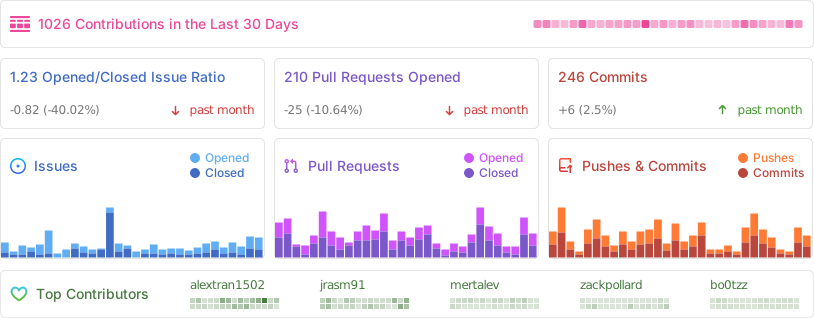
|
||||
|
||||
## Features
|
||||
|
||||
|
||||
| Features | Mobile | Web |
|
||||
| :------------------------------------------- | ------ | --- |
|
||||
| :--------------------------------------------- | -------- | ----- |
|
||||
| Upload and view videos and photos | Yes | Yes |
|
||||
| Auto backup when the app is opened | Yes | N/A |
|
||||
| Prevent duplication of assets | Yes | Yes |
|
||||
@@ -102,19 +106,30 @@ For the mobile app, you can use `https://demo.immich.app/api` for the `Server En
|
||||
| Read-only gallery | Yes | Yes |
|
||||
| Stacked Photos | Yes | Yes |
|
||||
|
||||
## Translations
|
||||
## Support the project
|
||||
|
||||
Read more about translations [here](https://immich.app/docs/developer/translations).
|
||||
I've committed to this project, and I will not stop. I will keep updating the docs, adding new features, and fixing bugs. But I can't do it alone. So I need your help to give me additional motivation to keep going.
|
||||
|
||||
<a href="https://hosted.weblate.org/engage/immich/">
|
||||
<img src="https://hosted.weblate.org/widget/immich/immich/multi-auto.svg" alt="Translation status" />
|
||||
As our hosts in the [selfhosted.show - In the episode 'The-organization-must-not-be-name is a Hostile Actor'](https://selfhosted.show/79?t=1418) said, this is a massive undertaking of what the team and I are doing. And I would love to someday be able to do this full-time, and I am asking for your help to make that happen.
|
||||
|
||||
If you feel like this is the right cause and the app is something you are seeing yourself using for a long time, please consider supporting the project with the option below.
|
||||
|
||||
### Donation
|
||||
|
||||
- [Monthly donation](https://github.com/sponsors/immich-app) via GitHub Sponsors
|
||||
- [One-time donation](https://github.com/sponsors/immich-app?frequency=one-time&sponsor=alextran1502) via GitHub Sponsors
|
||||
- [Liberapay](https://liberapay.com/alex.tran1502/)
|
||||
- [buymeacoffee](https://www.buymeacoffee.com/altran1502)
|
||||
- Bitcoin: 3QVAb9dCHutquVejeNXitPqZX26Yg5kxb7
|
||||
- ZCash: u1smm4wvqegcp46zss2jf5xptchgeczp4rx7a0wu3mermf2wxahm26yyz5w9mw3f2p4emwlljxjumg774kgs8rntt9yags0whnzane4n67z4c7gppq4yyvcj404ne3r769prwzd9j8ntvqp44fa6d67sf7rmcfjmds3gmeceff4u8e92rh38nd30cr96xw6vfhk6scu4ws90ldzupr3sz
|
||||
|
||||
## Contributors
|
||||
|
||||
<a href="https://github.com/alextran1502/immich/graphs/contributors">
|
||||
<img src="https://contrib.rocks/image?repo=immich-app/immich" width="100%"/>
|
||||
</a>
|
||||
|
||||
## Repository activity
|
||||
|
||||

|
||||
|
||||
## Star history
|
||||
## Star History
|
||||
|
||||
<a href="https://star-history.com/#immich-app/immich&Date">
|
||||
<picture>
|
||||
@@ -123,9 +138,3 @@ Read more about translations [here](https://immich.app/docs/developer/translatio
|
||||
<img alt="Star History Chart" src="https://api.star-history.com/svg?repos=immich-app/immich&type=Date" width="100%" />
|
||||
</picture>
|
||||
</a>
|
||||
|
||||
## Contributors
|
||||
|
||||
<a href="https://github.com/alextran1502/immich/graphs/contributors">
|
||||
<img src="https://contrib.rocks/image?repo=immich-app/immich" width="100%"/>
|
||||
</a>
|
||||
|
||||
@@ -2,4 +2,4 @@
|
||||
|
||||
## Reporting a Vulnerability
|
||||
|
||||
Please report security issues to `security@immich.app`
|
||||
Please report security issues to `alex.tran1502@gmail.com`
|
||||
@@ -1 +0,0 @@
|
||||
20.15.1
|
||||
@@ -1,4 +1,4 @@
|
||||
FROM node:20.15.1-alpine3.20@sha256:34b7aa411056c85dbf71d240d26516949b3f72b318d796c26b57caaa1df5639a as core
|
||||
FROM node:20-alpine3.19@sha256:ec0c413b1d84f3f7f67ec986ba885930c57b5318d2eb3abc6960ee05d4f2eb28 as core
|
||||
|
||||
WORKDIR /usr/src/open-api/typescript-sdk
|
||||
COPY open-api/typescript-sdk/package*.json open-api/typescript-sdk/tsconfig*.json ./
|
||||
@@ -16,4 +16,4 @@ RUN npm run build
|
||||
|
||||
WORKDIR /import
|
||||
|
||||
ENTRYPOINT ["node", "/usr/src/app/dist"]
|
||||
ENTRYPOINT ["node", "/usr/src/app/dist"]
|
||||
1052
cli/package-lock.json
generated
@@ -1,6 +1,6 @@
|
||||
{
|
||||
"name": "@immich/cli",
|
||||
"version": "2.2.8",
|
||||
"version": "2.2.0",
|
||||
"description": "Command Line Interface (CLI) for Immich",
|
||||
"type": "module",
|
||||
"exports": "./dist/index.js",
|
||||
@@ -18,7 +18,7 @@
|
||||
"@types/cli-progress": "^3.11.0",
|
||||
"@types/lodash-es": "^4.17.12",
|
||||
"@types/mock-fs": "^4.13.1",
|
||||
"@types/node": "^20.14.10",
|
||||
"@types/node": "^20.3.1",
|
||||
"@typescript-eslint/eslint-plugin": "^7.0.0",
|
||||
"@typescript-eslint/parser": "^7.0.0",
|
||||
"@vitest/coverage-v8": "^1.2.2",
|
||||
@@ -28,15 +28,15 @@
|
||||
"eslint": "^8.56.0",
|
||||
"eslint-config-prettier": "^9.1.0",
|
||||
"eslint-plugin-prettier": "^5.1.3",
|
||||
"eslint-plugin-unicorn": "^54.0.0",
|
||||
"eslint-plugin-unicorn": "^52.0.0",
|
||||
"glob": "^10.3.1",
|
||||
"mock-fs": "^5.2.0",
|
||||
"prettier": "^3.2.5",
|
||||
"prettier-plugin-organize-imports": "^4.0.0",
|
||||
"prettier-plugin-organize-imports": "^3.2.4",
|
||||
"typescript": "^5.3.3",
|
||||
"vite": "^5.0.12",
|
||||
"vite-tsconfig-paths": "^4.3.2",
|
||||
"vitest": "^1.2.2",
|
||||
"vitest-fetch-mock": "^0.2.2",
|
||||
"yaml": "^2.3.1"
|
||||
},
|
||||
"scripts": {
|
||||
@@ -59,11 +59,6 @@
|
||||
"node": ">=20.0.0"
|
||||
},
|
||||
"dependencies": {
|
||||
"fast-glob": "^3.3.2",
|
||||
"fastq": "^1.17.1",
|
||||
"lodash-es": "^4.17.21"
|
||||
},
|
||||
"volta": {
|
||||
"node": "20.15.1"
|
||||
}
|
||||
}
|
||||
|
||||
@@ -1,201 +0,0 @@
|
||||
import * as fs from 'node:fs';
|
||||
import * as os from 'node:os';
|
||||
import * as path from 'node:path';
|
||||
import { describe, expect, it, vi } from 'vitest';
|
||||
|
||||
import { Action, checkBulkUpload, defaults, Reason } from '@immich/sdk';
|
||||
import createFetchMock from 'vitest-fetch-mock';
|
||||
|
||||
import { checkForDuplicates, getAlbumName, uploadFiles, UploadOptionsDto } from './asset';
|
||||
|
||||
vi.mock('@immich/sdk');
|
||||
|
||||
describe('getAlbumName', () => {
|
||||
it('should return a non-undefined value', () => {
|
||||
if (os.platform() === 'win32') {
|
||||
// This is meaningless for Unix systems.
|
||||
expect(getAlbumName(String.raw`D:\test\Filename.txt`, {} as UploadOptionsDto)).toBe('test');
|
||||
}
|
||||
expect(getAlbumName('D:/parentfolder/test/Filename.txt', {} as UploadOptionsDto)).toBe('test');
|
||||
});
|
||||
|
||||
it('has higher priority to return `albumName` in `options`', () => {
|
||||
expect(getAlbumName('/parentfolder/test/Filename.txt', { albumName: 'example' } as UploadOptionsDto)).toBe(
|
||||
'example',
|
||||
);
|
||||
});
|
||||
});
|
||||
|
||||
describe('uploadFiles', () => {
|
||||
const testDir = fs.mkdtempSync(path.join(os.tmpdir(), 'test-'));
|
||||
const testFilePath = path.join(testDir, 'test.png');
|
||||
const testFileData = 'test';
|
||||
const baseUrl = 'http://example.com';
|
||||
const apiKey = 'key';
|
||||
const retry = 3;
|
||||
|
||||
const fetchMocker = createFetchMock(vi);
|
||||
|
||||
beforeEach(() => {
|
||||
// Create a test file
|
||||
fs.writeFileSync(testFilePath, testFileData);
|
||||
|
||||
// Defaults
|
||||
vi.mocked(defaults).baseUrl = baseUrl;
|
||||
vi.mocked(defaults).headers = { 'x-api-key': apiKey };
|
||||
|
||||
fetchMocker.enableMocks();
|
||||
fetchMocker.resetMocks();
|
||||
});
|
||||
|
||||
it('returns new assets when upload file is successful', async () => {
|
||||
fetchMocker.doMockIf(new RegExp(`${baseUrl}/assets$`), () => {
|
||||
return {
|
||||
status: 200,
|
||||
body: JSON.stringify({ id: 'fc5621b1-86f6-44a1-9905-403e607df9f5', status: 'created' }),
|
||||
};
|
||||
});
|
||||
|
||||
await expect(uploadFiles([testFilePath], { concurrency: 1 })).resolves.toEqual([
|
||||
{
|
||||
filepath: testFilePath,
|
||||
id: 'fc5621b1-86f6-44a1-9905-403e607df9f5',
|
||||
},
|
||||
]);
|
||||
});
|
||||
|
||||
it('returns new assets when upload file retry is successful', async () => {
|
||||
let counter = 0;
|
||||
fetchMocker.doMockIf(new RegExp(`${baseUrl}/assets$`), () => {
|
||||
counter++;
|
||||
if (counter < retry) {
|
||||
throw new Error('Network error');
|
||||
}
|
||||
|
||||
return {
|
||||
status: 200,
|
||||
body: JSON.stringify({ id: 'fc5621b1-86f6-44a1-9905-403e607df9f5', status: 'created' }),
|
||||
};
|
||||
});
|
||||
|
||||
await expect(uploadFiles([testFilePath], { concurrency: 1 })).resolves.toEqual([
|
||||
{
|
||||
filepath: testFilePath,
|
||||
id: 'fc5621b1-86f6-44a1-9905-403e607df9f5',
|
||||
},
|
||||
]);
|
||||
});
|
||||
|
||||
it('returns new assets when upload file retry is failed', async () => {
|
||||
fetchMocker.doMockIf(new RegExp(`${baseUrl}/assets$`), () => {
|
||||
throw new Error('Network error');
|
||||
});
|
||||
|
||||
await expect(uploadFiles([testFilePath], { concurrency: 1 })).resolves.toEqual([]);
|
||||
});
|
||||
});
|
||||
|
||||
describe('checkForDuplicates', () => {
|
||||
const testDir = fs.mkdtempSync(path.join(os.tmpdir(), 'test-'));
|
||||
const testFilePath = path.join(testDir, 'test.png');
|
||||
const testFileData = 'test';
|
||||
const testFileChecksum = 'a94a8fe5ccb19ba61c4c0873d391e987982fbbd3'; // SHA1
|
||||
const retry = 3;
|
||||
|
||||
beforeEach(() => {
|
||||
// Create a test file
|
||||
fs.writeFileSync(testFilePath, testFileData);
|
||||
});
|
||||
|
||||
it('checks duplicates', async () => {
|
||||
vi.mocked(checkBulkUpload).mockResolvedValue({
|
||||
results: [
|
||||
{
|
||||
action: Action.Accept,
|
||||
id: testFilePath,
|
||||
},
|
||||
],
|
||||
});
|
||||
|
||||
await checkForDuplicates([testFilePath], { concurrency: 1 });
|
||||
|
||||
expect(checkBulkUpload).toHaveBeenCalledWith({
|
||||
assetBulkUploadCheckDto: {
|
||||
assets: [
|
||||
{
|
||||
checksum: testFileChecksum,
|
||||
id: testFilePath,
|
||||
},
|
||||
],
|
||||
},
|
||||
});
|
||||
});
|
||||
|
||||
it('returns duplicates when check duplicates is rejected', async () => {
|
||||
vi.mocked(checkBulkUpload).mockResolvedValue({
|
||||
results: [
|
||||
{
|
||||
action: Action.Reject,
|
||||
id: testFilePath,
|
||||
assetId: 'fc5621b1-86f6-44a1-9905-403e607df9f5',
|
||||
reason: Reason.Duplicate,
|
||||
},
|
||||
],
|
||||
});
|
||||
|
||||
await expect(checkForDuplicates([testFilePath], { concurrency: 1 })).resolves.toEqual({
|
||||
duplicates: [
|
||||
{
|
||||
filepath: testFilePath,
|
||||
id: 'fc5621b1-86f6-44a1-9905-403e607df9f5',
|
||||
},
|
||||
],
|
||||
newFiles: [],
|
||||
});
|
||||
});
|
||||
|
||||
it('returns new assets when check duplicates is accepted', async () => {
|
||||
vi.mocked(checkBulkUpload).mockResolvedValue({
|
||||
results: [
|
||||
{
|
||||
action: Action.Accept,
|
||||
id: testFilePath,
|
||||
},
|
||||
],
|
||||
});
|
||||
|
||||
await expect(checkForDuplicates([testFilePath], { concurrency: 1 })).resolves.toEqual({
|
||||
duplicates: [],
|
||||
newFiles: [testFilePath],
|
||||
});
|
||||
});
|
||||
|
||||
it('returns results when check duplicates retry is successful', async () => {
|
||||
let mocked = vi.mocked(checkBulkUpload);
|
||||
for (let i = 1; i < retry; i++) {
|
||||
mocked = mocked.mockRejectedValueOnce(new Error('Network error'));
|
||||
}
|
||||
mocked.mockResolvedValue({
|
||||
results: [
|
||||
{
|
||||
action: Action.Accept,
|
||||
id: testFilePath,
|
||||
},
|
||||
],
|
||||
});
|
||||
|
||||
await expect(checkForDuplicates([testFilePath], { concurrency: 1 })).resolves.toEqual({
|
||||
duplicates: [],
|
||||
newFiles: [testFilePath],
|
||||
});
|
||||
});
|
||||
|
||||
it('returns results when check duplicates retry is failed', async () => {
|
||||
vi.mocked(checkBulkUpload).mockRejectedValue(new Error('Network error'));
|
||||
|
||||
await expect(checkForDuplicates([testFilePath], { concurrency: 1 })).resolves.toEqual({
|
||||
duplicates: [],
|
||||
newFiles: [],
|
||||
});
|
||||
});
|
||||
});
|
||||
@@ -1,8 +1,7 @@
|
||||
import {
|
||||
Action,
|
||||
AssetBulkUploadCheckResult,
|
||||
AssetMediaResponseDto,
|
||||
AssetMediaStatus,
|
||||
AssetFileUploadResponseDto,
|
||||
addAssetsToAlbum,
|
||||
checkBulkUpload,
|
||||
createAlbum,
|
||||
@@ -15,8 +14,8 @@ import { Presets, SingleBar } from 'cli-progress';
|
||||
import { chunk } from 'lodash-es';
|
||||
import { Stats, createReadStream } from 'node:fs';
|
||||
import { stat, unlink } from 'node:fs/promises';
|
||||
import os from 'node:os';
|
||||
import path, { basename } from 'node:path';
|
||||
import { Queue } from 'src/queue';
|
||||
import { BaseOptions, authenticate, crawl, sha1 } from 'src/utils';
|
||||
|
||||
const s = (count: number) => (count === 1 ? '' : 's');
|
||||
@@ -25,9 +24,9 @@ const s = (count: number) => (count === 1 ? '' : 's');
|
||||
type AssetBulkUploadCheckResults = Array<AssetBulkUploadCheckResult & { id: string }>;
|
||||
type Asset = { id: string; filepath: string };
|
||||
|
||||
export interface UploadOptionsDto {
|
||||
interface UploadOptionsDto {
|
||||
recursive?: boolean;
|
||||
ignore?: string;
|
||||
exclusionPatterns?: string[];
|
||||
dryRun?: boolean;
|
||||
skipHash?: boolean;
|
||||
delete?: boolean;
|
||||
@@ -76,7 +75,7 @@ const scan = async (pathsToCrawl: string[], options: UploadOptionsDto) => {
|
||||
const files = await crawl({
|
||||
pathsToCrawl,
|
||||
recursive: options.recursive,
|
||||
exclusionPattern: options.ignore,
|
||||
exclusionPatterns: options.exclusionPatterns,
|
||||
includeHidden: options.includeHidden,
|
||||
extensions: [...image, ...video],
|
||||
});
|
||||
@@ -84,7 +83,7 @@ const scan = async (pathsToCrawl: string[], options: UploadOptionsDto) => {
|
||||
return files;
|
||||
};
|
||||
|
||||
export const checkForDuplicates = async (files: string[], { concurrency, skipHash }: UploadOptionsDto) => {
|
||||
const checkForDuplicates = async (files: string[], { concurrency, skipHash }: UploadOptionsDto) => {
|
||||
if (skipHash) {
|
||||
console.log('Skipping hash check, assuming all files are new');
|
||||
return { newFiles: files, duplicates: [] };
|
||||
@@ -100,50 +99,32 @@ export const checkForDuplicates = async (files: string[], { concurrency, skipHas
|
||||
const newFiles: string[] = [];
|
||||
const duplicates: Asset[] = [];
|
||||
|
||||
const queue = new Queue<string[], AssetBulkUploadCheckResults>(
|
||||
async (filepaths: string[]) => {
|
||||
const dto = await Promise.all(
|
||||
filepaths.map(async (filepath) => ({ id: filepath, checksum: await sha1(filepath) })),
|
||||
);
|
||||
const response = await checkBulkUpload({ assetBulkUploadCheckDto: { assets: dto } });
|
||||
const results = response.results as AssetBulkUploadCheckResults;
|
||||
for (const { id: filepath, assetId, action } of results) {
|
||||
try {
|
||||
// TODO refactor into a queue
|
||||
for (const items of chunk(files, concurrency)) {
|
||||
const dto = await Promise.all(items.map(async (filepath) => ({ id: filepath, checksum: await sha1(filepath) })));
|
||||
const { results } = await checkBulkUpload({ assetBulkUploadCheckDto: { assets: dto } });
|
||||
|
||||
for (const { id: filepath, assetId, action } of results as AssetBulkUploadCheckResults) {
|
||||
if (action === Action.Accept) {
|
||||
newFiles.push(filepath);
|
||||
} else {
|
||||
// rejects are always duplicates
|
||||
duplicates.push({ id: assetId as string, filepath });
|
||||
}
|
||||
progressBar.increment();
|
||||
}
|
||||
progressBar.increment(filepaths.length);
|
||||
return results;
|
||||
},
|
||||
{ concurrency, retry: 3 },
|
||||
);
|
||||
|
||||
for (const items of chunk(files, concurrency)) {
|
||||
await queue.push(items);
|
||||
}
|
||||
} finally {
|
||||
progressBar.stop();
|
||||
}
|
||||
|
||||
await queue.drained();
|
||||
|
||||
progressBar.stop();
|
||||
|
||||
console.log(`Found ${newFiles.length} new files and ${duplicates.length} duplicate${s(duplicates.length)}`);
|
||||
|
||||
// Report failures
|
||||
const failedTasks = queue.tasks.filter((task) => task.status === 'failed');
|
||||
if (failedTasks.length > 0) {
|
||||
console.log(`Failed to verify ${failedTasks.length} file${s(failedTasks.length)}:`);
|
||||
for (const task of failedTasks) {
|
||||
console.log(`- ${task.data} - ${task.error}`);
|
||||
}
|
||||
}
|
||||
|
||||
return { newFiles, duplicates };
|
||||
};
|
||||
|
||||
export const uploadFiles = async (files: string[], { dryRun, concurrency }: UploadOptionsDto): Promise<Asset[]> => {
|
||||
const uploadFiles = async (files: string[], { dryRun, concurrency }: UploadOptionsDto): Promise<Asset[]> => {
|
||||
if (files.length === 0) {
|
||||
console.log('All assets were already uploaded, nothing to do.');
|
||||
return [];
|
||||
@@ -160,7 +141,7 @@ export const uploadFiles = async (files: string[], { dryRun, concurrency }: Uplo
|
||||
|
||||
if (dryRun) {
|
||||
console.log(`Would have uploaded ${files.length} asset${s(files.length)} (${byteSize(totalSize)})`);
|
||||
return files.map((filepath) => ({ id: '', filepath }));
|
||||
return [];
|
||||
}
|
||||
|
||||
const uploadProgress = new SingleBar(
|
||||
@@ -177,56 +158,41 @@ export const uploadFiles = async (files: string[], { dryRun, concurrency }: Uplo
|
||||
|
||||
const newAssets: Asset[] = [];
|
||||
|
||||
const queue = new Queue<string, AssetMediaResponseDto>(
|
||||
async (filepath: string) => {
|
||||
const stats = statsMap.get(filepath);
|
||||
if (!stats) {
|
||||
throw new Error(`Stats not found for ${filepath}`);
|
||||
}
|
||||
try {
|
||||
for (const items of chunk(files, concurrency)) {
|
||||
await Promise.all(
|
||||
items.map(async (filepath) => {
|
||||
const stats = statsMap.get(filepath) as Stats;
|
||||
const response = await uploadFile(filepath, stats);
|
||||
|
||||
const response = await uploadFile(filepath, stats);
|
||||
newAssets.push({ id: response.id, filepath });
|
||||
if (response.status === AssetMediaStatus.Duplicate) {
|
||||
duplicateCount++;
|
||||
duplicateSize += stats.size ?? 0;
|
||||
} else {
|
||||
successCount++;
|
||||
successSize += stats.size ?? 0;
|
||||
}
|
||||
newAssets.push({ id: response.id, filepath });
|
||||
|
||||
uploadProgress.update(successSize, { value_formatted: byteSize(successSize + duplicateSize) });
|
||||
if (response.duplicate) {
|
||||
duplicateCount++;
|
||||
duplicateSize += stats.size ?? 0;
|
||||
} else {
|
||||
successCount++;
|
||||
successSize += stats.size ?? 0;
|
||||
}
|
||||
|
||||
return response;
|
||||
},
|
||||
{ concurrency, retry: 3 },
|
||||
);
|
||||
uploadProgress.update(successSize, { value_formatted: byteSize(successSize + duplicateSize) });
|
||||
|
||||
for (const filepath of files) {
|
||||
await queue.push(filepath);
|
||||
return response;
|
||||
}),
|
||||
);
|
||||
}
|
||||
} finally {
|
||||
uploadProgress.stop();
|
||||
}
|
||||
|
||||
await queue.drained();
|
||||
|
||||
uploadProgress.stop();
|
||||
|
||||
console.log(`Successfully uploaded ${successCount} new asset${s(successCount)} (${byteSize(successSize)})`);
|
||||
if (duplicateCount > 0) {
|
||||
console.log(`Skipped ${duplicateCount} duplicate asset${s(duplicateCount)} (${byteSize(duplicateSize)})`);
|
||||
}
|
||||
|
||||
// Report failures
|
||||
const failedTasks = queue.tasks.filter((task) => task.status === 'failed');
|
||||
if (failedTasks.length > 0) {
|
||||
console.log(`Failed to upload ${failedTasks.length} asset${s(failedTasks.length)}:`);
|
||||
for (const task of failedTasks) {
|
||||
console.log(`- ${task.data} - ${task.error}`);
|
||||
}
|
||||
}
|
||||
|
||||
return newAssets;
|
||||
};
|
||||
|
||||
const uploadFile = async (input: string, stats: Stats): Promise<AssetMediaResponseDto> => {
|
||||
const uploadFile = async (input: string, stats: Stats): Promise<AssetFileUploadResponseDto> => {
|
||||
const { baseUrl, headers } = defaults;
|
||||
|
||||
const assetPath = path.parse(input);
|
||||
@@ -259,7 +225,7 @@ const uploadFile = async (input: string, stats: Stats): Promise<AssetMediaRespon
|
||||
formData.append('sidecarData', sidecarData);
|
||||
}
|
||||
|
||||
const response = await fetch(`${baseUrl}/assets`, {
|
||||
const response = await fetch(`${baseUrl}/asset/upload`, {
|
||||
method: 'post',
|
||||
redirect: 'error',
|
||||
headers: headers as Record<string, string>,
|
||||
@@ -278,7 +244,7 @@ const deleteFiles = async (files: string[], options: UploadOptionsDto): Promise<
|
||||
}
|
||||
|
||||
if (options.dryRun) {
|
||||
console.log(`Would have deleted ${files.length} local asset${s(files.length)}`);
|
||||
console.log(`Would now have deleted assets, but skipped due to dry run`);
|
||||
return;
|
||||
}
|
||||
|
||||
@@ -319,7 +285,7 @@ const updateAlbums = async (assets: Asset[], options: UploadOptionsDto) => {
|
||||
if (dryRun) {
|
||||
// TODO print asset counts for new albums
|
||||
console.log(`Would have created ${newAlbums.size} new album${s(newAlbums.size)}`);
|
||||
console.log(`Would have updated albums of ${assets.length} asset${s(assets.length)}`);
|
||||
console.log(`Would have updated ${assets.length} asset${s(assets.length)}`);
|
||||
return;
|
||||
}
|
||||
|
||||
@@ -379,9 +345,7 @@ const updateAlbums = async (assets: Asset[], options: UploadOptionsDto) => {
|
||||
}
|
||||
};
|
||||
|
||||
// `filepath` valid format:
|
||||
// - Windows: `D:\\test\\Filename.txt` or `D:/test/Filename.txt`
|
||||
// - Unix: `/test/Filename.txt`
|
||||
export const getAlbumName = (filepath: string, options: UploadOptionsDto) => {
|
||||
return options.albumName ?? path.basename(path.dirname(filepath));
|
||||
const getAlbumName = (filepath: string, options: UploadOptionsDto) => {
|
||||
const folderName = os.platform() === 'win32' ? filepath.split('\\').at(-2) : filepath.split('/').at(-2);
|
||||
return options.albumName ?? folderName;
|
||||
};
|
||||
|
||||
@@ -1,4 +1,4 @@
|
||||
import { getMyUser } from '@immich/sdk';
|
||||
import { getMyUserInfo } from '@immich/sdk';
|
||||
import { existsSync } from 'node:fs';
|
||||
import { mkdir, unlink } from 'node:fs/promises';
|
||||
import { BaseOptions, connect, getAuthFilePath, logError, withError, writeAuthFile } from 'src/utils';
|
||||
@@ -10,13 +10,13 @@ export const login = async (url: string, key: string, options: BaseOptions) => {
|
||||
|
||||
await connect(url, key);
|
||||
|
||||
const [error, user] = await withError(getMyUser());
|
||||
const [error, userInfo] = await withError(getMyUserInfo());
|
||||
if (error) {
|
||||
logError(error, 'Failed to load user info');
|
||||
process.exit(1);
|
||||
}
|
||||
|
||||
console.log(`Logged in as ${user.email}`);
|
||||
console.log(`Logged in as ${userInfo.email}`);
|
||||
|
||||
if (!existsSync(configDir)) {
|
||||
// Create config folder if it doesn't exist
|
||||
|
||||
@@ -1,4 +1,4 @@
|
||||
import { getAssetStatistics, getMyUser, getServerVersion, getSupportedMediaTypes } from '@immich/sdk';
|
||||
import { getAssetStatistics, getMyUserInfo, getServerVersion, getSupportedMediaTypes } from '@immich/sdk';
|
||||
import { BaseOptions, authenticate } from 'src/utils';
|
||||
|
||||
export const serverInfo = async (options: BaseOptions) => {
|
||||
@@ -8,7 +8,7 @@ export const serverInfo = async (options: BaseOptions) => {
|
||||
getServerVersion(),
|
||||
getSupportedMediaTypes(),
|
||||
getAssetStatistics({}),
|
||||
getMyUser(),
|
||||
getMyUserInfo(),
|
||||
]);
|
||||
|
||||
console.log(`Server Info (via ${userInfo.email})`);
|
||||
|
||||
@@ -44,7 +44,7 @@ program
|
||||
.description('Upload assets')
|
||||
.usage('[paths...] [options]')
|
||||
.addOption(new Option('-r, --recursive', 'Recursive').env('IMMICH_RECURSIVE').default(false))
|
||||
.addOption(new Option('-i, --ignore <pattern>', 'Pattern to ignore').env('IMMICH_IGNORE_PATHS'))
|
||||
.addOption(new Option('-i, --ignore [paths...]', 'Paths to ignore').env('IMMICH_IGNORE_PATHS').default([]))
|
||||
.addOption(new Option('-h, --skip-hash', "Don't hash files before upload").env('IMMICH_SKIP_HASH').default(false))
|
||||
.addOption(new Option('-H, --include-hidden', 'Include hidden folders').env('IMMICH_INCLUDE_HIDDEN').default(false))
|
||||
.addOption(
|
||||
@@ -60,8 +60,7 @@ program
|
||||
.addOption(
|
||||
new Option('-n, --dry-run', "Don't perform any actions, just show what will be done")
|
||||
.env('IMMICH_DRY_RUN')
|
||||
.default(false)
|
||||
.conflicts('skipHash'),
|
||||
.default(false),
|
||||
)
|
||||
.addOption(
|
||||
new Option('-c, --concurrency <number>', 'Number of assets to upload at the same time')
|
||||
|
||||
131
cli/src/queue.ts
@@ -1,131 +0,0 @@
|
||||
import * as fastq from 'fastq';
|
||||
import { uniqueId } from 'lodash-es';
|
||||
|
||||
export type Task<T, R> = {
|
||||
readonly id: string;
|
||||
status: 'idle' | 'processing' | 'succeeded' | 'failed';
|
||||
data: T;
|
||||
error: unknown | undefined;
|
||||
count: number;
|
||||
// TODO: Could be useful to adding progress property.
|
||||
// TODO: Could be useful to adding start_at/end_at/duration properties.
|
||||
result: undefined | R;
|
||||
};
|
||||
|
||||
export type QueueOptions = {
|
||||
verbose?: boolean;
|
||||
concurrency?: number;
|
||||
retry?: number;
|
||||
// TODO: Could be useful to adding timeout property for retry.
|
||||
};
|
||||
|
||||
export type ComputedQueueOptions = Required<QueueOptions>;
|
||||
|
||||
export const defaultQueueOptions = {
|
||||
concurrency: 1,
|
||||
retry: 0,
|
||||
verbose: false,
|
||||
};
|
||||
|
||||
/**
|
||||
* An in-memory queue that processes tasks in parallel with a given concurrency.
|
||||
* @see {@link https://www.npmjs.com/package/fastq}
|
||||
* @template T - The type of the worker task data.
|
||||
* @template R - The type of the worker output data.
|
||||
*/
|
||||
export class Queue<T, R> {
|
||||
private readonly queue: fastq.queueAsPromised<string, Task<T, R>>;
|
||||
private readonly store = new Map<string, Task<T, R>>();
|
||||
readonly options: ComputedQueueOptions;
|
||||
readonly worker: (data: T) => Promise<R>;
|
||||
|
||||
/**
|
||||
* Create a new queue.
|
||||
* @param worker - The worker function that processes the task.
|
||||
* @param options - The queue options.
|
||||
*/
|
||||
constructor(worker: (data: T) => Promise<R>, options?: QueueOptions) {
|
||||
this.options = { ...defaultQueueOptions, ...options };
|
||||
this.worker = worker;
|
||||
this.store = new Map<string, Task<T, R>>();
|
||||
this.queue = this.buildQueue();
|
||||
}
|
||||
|
||||
get tasks(): Task<T, R>[] {
|
||||
const tasks: Task<T, R>[] = [];
|
||||
for (const task of this.store.values()) {
|
||||
tasks.push(task);
|
||||
}
|
||||
return tasks;
|
||||
}
|
||||
|
||||
getTask(id: string): Task<T, R> {
|
||||
const task = this.store.get(id);
|
||||
if (!task) {
|
||||
throw new Error(`Task with id ${id} not found`);
|
||||
}
|
||||
return task;
|
||||
}
|
||||
|
||||
/**
|
||||
* Wait for the queue to be empty.
|
||||
* @returns Promise<void> - The returned Promise will be resolved when all tasks in the queue have been processed by a worker.
|
||||
* This promise could be ignored as it will not lead to a `unhandledRejection`.
|
||||
*/
|
||||
async drained(): Promise<void> {
|
||||
await this.queue.drain();
|
||||
}
|
||||
|
||||
/**
|
||||
* Add a task at the end of the queue.
|
||||
* @see {@link https://www.npmjs.com/package/fastq}
|
||||
* @param data
|
||||
* @returns Promise<void> - A Promise that will be fulfilled (rejected) when the task is completed successfully (unsuccessfully).
|
||||
* This promise could be ignored as it will not lead to a `unhandledRejection`.
|
||||
*/
|
||||
async push(data: T): Promise<Task<T, R>> {
|
||||
const id = uniqueId();
|
||||
const task: Task<T, R> = { id, status: 'idle', error: undefined, count: 0, data, result: undefined };
|
||||
this.store.set(id, task);
|
||||
return this.queue.push(id);
|
||||
}
|
||||
|
||||
// TODO: Support more function delegation to fastq.
|
||||
|
||||
private buildQueue(): fastq.queueAsPromised<string, Task<T, R>> {
|
||||
return fastq.promise((id: string) => {
|
||||
const task = this.getTask(id);
|
||||
return this.work(task);
|
||||
}, this.options.concurrency);
|
||||
}
|
||||
|
||||
private async work(task: Task<T, R>): Promise<Task<T, R>> {
|
||||
task.count += 1;
|
||||
task.error = undefined;
|
||||
task.status = 'processing';
|
||||
if (this.options.verbose) {
|
||||
console.log('[task] processing:', task);
|
||||
}
|
||||
try {
|
||||
task.result = await this.worker(task.data);
|
||||
task.status = 'succeeded';
|
||||
if (this.options.verbose) {
|
||||
console.log('[task] succeeded:', task);
|
||||
}
|
||||
return task;
|
||||
} catch (error) {
|
||||
task.error = error;
|
||||
task.status = 'failed';
|
||||
if (this.options.verbose) {
|
||||
console.log('[task] failed:', task);
|
||||
}
|
||||
if (this.options.retry > 0 && task.count < this.options.retry) {
|
||||
if (this.options.verbose) {
|
||||
console.log('[task] retry:', task);
|
||||
}
|
||||
return this.work(task);
|
||||
}
|
||||
return task;
|
||||
}
|
||||
}
|
||||
}
|
||||
@@ -1,5 +1,4 @@
|
||||
import mockfs from 'mock-fs';
|
||||
import { readFileSync } from 'node:fs';
|
||||
import { CrawlOptions, crawl } from 'src/utils';
|
||||
|
||||
interface Test {
|
||||
@@ -10,10 +9,6 @@ interface Test {
|
||||
|
||||
const cwd = process.cwd();
|
||||
|
||||
const readContent = (path: string) => {
|
||||
return readFileSync(path).toString();
|
||||
};
|
||||
|
||||
const extensions = [
|
||||
'.jpg',
|
||||
'.jpeg',
|
||||
@@ -71,7 +66,7 @@ const tests: Test[] = [
|
||||
test: 'should exclude by file extension',
|
||||
options: {
|
||||
pathsToCrawl: ['/photos/'],
|
||||
exclusionPattern: '**/*.tif',
|
||||
exclusionPatterns: ['**/*.tif'],
|
||||
},
|
||||
files: {
|
||||
'/photos/image.jpg': true,
|
||||
@@ -82,7 +77,7 @@ const tests: Test[] = [
|
||||
test: 'should exclude by file extension without case sensitivity',
|
||||
options: {
|
||||
pathsToCrawl: ['/photos/'],
|
||||
exclusionPattern: '**/*.TIF',
|
||||
exclusionPatterns: ['**/*.TIF'],
|
||||
},
|
||||
files: {
|
||||
'/photos/image.jpg': true,
|
||||
@@ -93,7 +88,7 @@ const tests: Test[] = [
|
||||
test: 'should exclude by folder',
|
||||
options: {
|
||||
pathsToCrawl: ['/photos/'],
|
||||
exclusionPattern: '**/raw/**',
|
||||
exclusionPatterns: ['**/raw/**'],
|
||||
recursive: true,
|
||||
},
|
||||
files: {
|
||||
@@ -223,7 +218,7 @@ const tests: Test[] = [
|
||||
test: 'should support ignoring full filename',
|
||||
options: {
|
||||
pathsToCrawl: ['/photos'],
|
||||
exclusionPattern: '**/image2.jpg',
|
||||
exclusionPatterns: ['**/image2.jpg'],
|
||||
},
|
||||
files: {
|
||||
'/photos/image1.jpg': true,
|
||||
@@ -235,7 +230,7 @@ const tests: Test[] = [
|
||||
test: 'should support ignoring file extensions',
|
||||
options: {
|
||||
pathsToCrawl: ['/photos'],
|
||||
exclusionPattern: '**/*.png',
|
||||
exclusionPatterns: ['**/*.png'],
|
||||
},
|
||||
files: {
|
||||
'/photos/image1.jpg': true,
|
||||
@@ -248,7 +243,7 @@ const tests: Test[] = [
|
||||
options: {
|
||||
pathsToCrawl: ['/photos'],
|
||||
recursive: true,
|
||||
exclusionPattern: '**/raw/**',
|
||||
exclusionPatterns: ['**/raw/**'],
|
||||
},
|
||||
files: {
|
||||
'/photos/image1.jpg': true,
|
||||
@@ -261,10 +256,9 @@ const tests: Test[] = [
|
||||
{
|
||||
test: 'should support ignoring absolute paths',
|
||||
options: {
|
||||
// Currently, fast-glob has some caveat when dealing with `/`.
|
||||
pathsToCrawl: ['/*s'],
|
||||
pathsToCrawl: ['/'],
|
||||
recursive: true,
|
||||
exclusionPattern: '/images/**',
|
||||
exclusionPatterns: ['/images/**'],
|
||||
},
|
||||
files: {
|
||||
'/photos/image1.jpg': true,
|
||||
@@ -282,16 +276,14 @@ describe('crawl', () => {
|
||||
describe('crawl', () => {
|
||||
for (const { test, options, files } of tests) {
|
||||
it(test, async () => {
|
||||
// The file contents is the same as the path.
|
||||
mockfs(Object.fromEntries(Object.keys(files).map((file) => [file, file])));
|
||||
mockfs(Object.fromEntries(Object.keys(files).map((file) => [file, ''])));
|
||||
|
||||
const actual = await crawl({ ...options, extensions });
|
||||
const expected = Object.entries(files)
|
||||
.filter((entry) => entry[1])
|
||||
.map(([file]) => file);
|
||||
|
||||
// Compare file's content instead of path since a file can be represent in multiple ways.
|
||||
expect(actual.map((path) => readContent(path)).sort()).toEqual(expected.sort());
|
||||
expect(actual.sort()).toEqual(expected.sort());
|
||||
});
|
||||
}
|
||||
});
|
||||
|
||||
@@ -1,10 +1,9 @@
|
||||
import { getMyUser, init, isHttpError } from '@immich/sdk';
|
||||
import { convertPathToPattern, glob } from 'fast-glob';
|
||||
import { defaults, getMyUserInfo, isHttpError } from '@immich/sdk';
|
||||
import { glob } from 'glob';
|
||||
import { createHash } from 'node:crypto';
|
||||
import { createReadStream } from 'node:fs';
|
||||
import { readFile, stat, writeFile } from 'node:fs/promises';
|
||||
import { platform } from 'node:os';
|
||||
import { join, resolve } from 'node:path';
|
||||
import { join } from 'node:path';
|
||||
import yaml from 'yaml';
|
||||
|
||||
export interface BaseOptions {
|
||||
@@ -47,9 +46,10 @@ export const connect = async (url: string, key: string) => {
|
||||
// noop
|
||||
}
|
||||
|
||||
init({ baseUrl: url, apiKey: key });
|
||||
defaults.baseUrl = url;
|
||||
defaults.headers = { 'x-api-key': key };
|
||||
|
||||
const [error] = await withError(getMyUser());
|
||||
const [error] = await withError(getMyUserInfo());
|
||||
if (isHttpError(error)) {
|
||||
logError(error, 'Failed to connect to server');
|
||||
process.exit(1);
|
||||
@@ -104,16 +104,11 @@ export interface CrawlOptions {
|
||||
pathsToCrawl: string[];
|
||||
recursive?: boolean;
|
||||
includeHidden?: boolean;
|
||||
exclusionPattern?: string;
|
||||
exclusionPatterns?: string[];
|
||||
extensions: string[];
|
||||
}
|
||||
|
||||
const convertPathToPatternOnWin = (path: string) => {
|
||||
return platform() === 'win32' ? convertPathToPattern(path) : path;
|
||||
};
|
||||
|
||||
export const crawl = async (options: CrawlOptions): Promise<string[]> => {
|
||||
const { extensions: extensionsWithPeriod, recursive, pathsToCrawl, exclusionPattern, includeHidden } = options;
|
||||
const { extensions: extensionsWithPeriod, recursive, pathsToCrawl, exclusionPatterns, includeHidden } = options;
|
||||
const extensions = extensionsWithPeriod.map((extension) => extension.replace('.', ''));
|
||||
|
||||
if (pathsToCrawl.length === 0) {
|
||||
@@ -125,16 +120,15 @@ export const crawl = async (options: CrawlOptions): Promise<string[]> => {
|
||||
|
||||
for await (const currentPath of pathsToCrawl) {
|
||||
try {
|
||||
const absolutePath = resolve(currentPath);
|
||||
const stats = await stat(absolutePath);
|
||||
const stats = await stat(currentPath);
|
||||
if (stats.isFile() || stats.isSymbolicLink()) {
|
||||
crawledFiles.push(absolutePath);
|
||||
crawledFiles.push(currentPath);
|
||||
} else {
|
||||
patterns.push(convertPathToPatternOnWin(absolutePath));
|
||||
patterns.push(currentPath);
|
||||
}
|
||||
} catch (error: any) {
|
||||
if (error.code === 'ENOENT') {
|
||||
patterns.push(convertPathToPatternOnWin(currentPath));
|
||||
patterns.push(currentPath);
|
||||
} else {
|
||||
throw error;
|
||||
}
|
||||
@@ -158,13 +152,13 @@ export const crawl = async (options: CrawlOptions): Promise<string[]> => {
|
||||
|
||||
const globbedFiles = await glob(searchPattern, {
|
||||
absolute: true,
|
||||
caseSensitiveMatch: false,
|
||||
onlyFiles: true,
|
||||
nocase: true,
|
||||
nodir: true,
|
||||
dot: includeHidden,
|
||||
ignore: [`**/${exclusionPattern}`],
|
||||
ignore: exclusionPatterns,
|
||||
});
|
||||
globbedFiles.push(...crawledFiles);
|
||||
return globbedFiles.sort();
|
||||
|
||||
return [...crawledFiles, ...globbedFiles].sort();
|
||||
};
|
||||
|
||||
export const sha1 = (filepath: string) => {
|
||||
|
||||
37
cli/src/version.ts
Normal file
@@ -0,0 +1,37 @@
|
||||
import { version } from '../package.json';
|
||||
|
||||
export interface ICliVersion {
|
||||
major: number;
|
||||
minor: number;
|
||||
patch: number;
|
||||
}
|
||||
|
||||
export class CliVersion implements ICliVersion {
|
||||
constructor(
|
||||
public readonly major: number,
|
||||
public readonly minor: number,
|
||||
public readonly patch: number,
|
||||
) {}
|
||||
|
||||
toString() {
|
||||
return `${this.major}.${this.minor}.${this.patch}`;
|
||||
}
|
||||
|
||||
toJSON() {
|
||||
const { major, minor, patch } = this;
|
||||
return { major, minor, patch };
|
||||
}
|
||||
|
||||
static fromString(version: string): CliVersion {
|
||||
const regex = /v?(?<major>\d+)\.(?<minor>\d+)\.(?<patch>\d+)/i;
|
||||
const matchResult = version.match(regex);
|
||||
if (matchResult) {
|
||||
const [, major, minor, patch] = matchResult.map(Number);
|
||||
return new CliVersion(major, minor, patch);
|
||||
} else {
|
||||
throw new Error(`Invalid version format: ${version}`);
|
||||
}
|
||||
}
|
||||
}
|
||||
|
||||
export const cliVersion = CliVersion.fromString(version);
|
||||
@@ -2,7 +2,6 @@ import { defineConfig } from 'vite';
|
||||
import tsconfigPaths from 'vite-tsconfig-paths';
|
||||
|
||||
export default defineConfig({
|
||||
resolve: { alias: { src: '/src' } },
|
||||
build: {
|
||||
rollupOptions: {
|
||||
input: 'src/index.ts',
|
||||
|
||||
38
deployment/.gitignore
vendored
@@ -1,38 +0,0 @@
|
||||
# OpenTofu
|
||||
|
||||
# Local .terraform directories
|
||||
**/.terraform/*
|
||||
|
||||
# .tfstate files
|
||||
*.tfstate
|
||||
*.tfstate.*
|
||||
|
||||
# Crash log files
|
||||
crash.log
|
||||
crash.*.log
|
||||
|
||||
# Ignore override files as they are usually used to override resources locally and so
|
||||
# are not checked in
|
||||
override.tf
|
||||
override.tf.json
|
||||
*_override.tf
|
||||
*_override.tf.json
|
||||
|
||||
# Include override files you do wish to add to version control using negated pattern
|
||||
# !example_override.tf
|
||||
|
||||
# Include tfplan files to ignore the plan output of command: terraform plan -out=tfplan
|
||||
# example: *tfplan*
|
||||
|
||||
# Ignore CLI configuration files
|
||||
.terraformrc
|
||||
terraform.rc
|
||||
|
||||
# Terragrunt
|
||||
|
||||
# terragrunt cache directories
|
||||
**/.terragrunt-cache/*
|
||||
|
||||
# Terragrunt debug output file (when using `--terragrunt-debug` option)
|
||||
# See: https://terragrunt.gruntwork.io/docs/reference/cli-options/#terragrunt-debug
|
||||
terragrunt-debug.tfvars.json
|
||||
@@ -1,38 +0,0 @@
|
||||
# This file is maintained automatically by "tofu init".
|
||||
# Manual edits may be lost in future updates.
|
||||
|
||||
provider "registry.opentofu.org/cloudflare/cloudflare" {
|
||||
version = "4.36.0"
|
||||
constraints = "4.36.0"
|
||||
hashes = [
|
||||
"h1:00/Y+l17VV4RquGSfwDnYsGYzyf2ZmdQwUgeIzXC7eg=",
|
||||
"h1:489GpKItA/VRIUA5S4+F8MsnurGVciRvUFyIV81MJTU=",
|
||||
"h1:7cnczyKGj3+gvaJ0r5JIVWLXPbQfkHYejac76MJx+I8=",
|
||||
"h1:8rmr1PjJc14Xmor2eEvo5/WBojylt1eYdx6VbSU3Ulo=",
|
||||
"h1:HjgphNjtgny5tkcUAQoGgBdcuQ+0IyhL8yLsiBqWAP0=",
|
||||
"h1:LH3umxdBnJcAyeVoBLVn+PC0F0CzN6v9UN6lb6CqQPE=",
|
||||
"h1:Xx6WUD/zB8fM9SjkFx06Fgx2K7aGJIVvsJS2pwqALEM=",
|
||||
"h1:YizL5YN9zQ8YkSR6V/G201YrCVdnkF9EUIK4lpROWiA=",
|
||||
"h1:aPcXVGjYcCJdqvWSzc/dEjwj05LnbWZje8IanygVjcI=",
|
||||
"h1:eKCvfashdCqfDcFGXE2gq+XxAURD5SzuaQ9Brs3zLos=",
|
||||
"h1:gpKcBYkBcfn/uF1A8W7MD/OysMZW7EU4QVYvPEEnxGc=",
|
||||
"h1:kCkcxZZnkKAnMz9scUQHb19d9/l9FPOHovAyrvtA618=",
|
||||
"h1:t8mXXnICTeKqoD29uvyLFHVWMfMzTUrJuHje8lpI0zU=",
|
||||
"h1:zjzavjIdLDGRYsWd3v0HJz6ul12Cewj9RW/cqAQ4DxI=",
|
||||
"zh:02665712b3893307596b3caab99cf1f2502d5caca18e22d4b37bb535e628e102",
|
||||
"zh:1514b0d3ef62934484ac471113ee68cddec0c21e56b4f710922741fe9b6e6fdf",
|
||||
"zh:1fab4dfcecbcea13267b42e5ff05ba0692aa2dcb247b8e633fea0daf49feb156",
|
||||
"zh:24d8367295fe1f1b2be37802aecb96edf32f743364663ffe781d1bb92438395d",
|
||||
"zh:34e84e7940c99dcf65663cfd25afac22bf5c8a5ff2cd21900c67180d3a072be9",
|
||||
"zh:3d71d63204a329acf1d1de8638f2c725243cb94cf444d2d7acde54b3d1ac1696",
|
||||
"zh:57831ba88e779a762bcfa224ba9eac8bc22ef9cd70cd541d848b351e0ba6a75c",
|
||||
"zh:6407560f2e548afcb4852c91efc664627a9ee565c31a9c81fc9ea1806fca0567",
|
||||
"zh:738ddbc664d75f4859aa09444a27809bc398795a8ea8f5be8531040690287712",
|
||||
"zh:841ca2b2d78b6f8d33ec3435bc090c5e04a3a7d85c80df11227a7ea00d36f6b1",
|
||||
"zh:890df766e9b839623b1f0437355032a3c006226a6c200cd911e15ee1a9014e9f",
|
||||
"zh:8b3d3d63354032ab9b2403c50728e9aa4e83c7367eaad2d18794221addeafc0f",
|
||||
"zh:9e293443fe3127e488f540229983c1b9688268185f87567bb3d18e794697acd2",
|
||||
"zh:b3a22439156e46461213db183e2e89569cd2e8d7cbcfc4b9f90469090e105807",
|
||||
"zh:f430feb5d51891e84028459e57039045dea4f1f5fcf671161d8ac2d8f28763f3",
|
||||
]
|
||||
}
|
||||
@@ -1,11 +0,0 @@
|
||||
terraform {
|
||||
backend "pg" {}
|
||||
required_version = "~> 1.7"
|
||||
|
||||
required_providers {
|
||||
cloudflare = {
|
||||
source = "cloudflare/cloudflare"
|
||||
version = "4.36.0"
|
||||
}
|
||||
}
|
||||
}
|
||||
@@ -1,14 +0,0 @@
|
||||
resource "cloudflare_pages_domain" "immich_app_release_domain" {
|
||||
account_id = var.cloudflare_account_id
|
||||
project_name = data.terraform_remote_state.cloudflare_account.outputs.immich_app_archive_pages_project_name
|
||||
domain = "immich.app"
|
||||
}
|
||||
|
||||
resource "cloudflare_record" "immich_app_release_domain" {
|
||||
name = "immich.app"
|
||||
proxied = true
|
||||
ttl = 1
|
||||
type = "CNAME"
|
||||
value = data.terraform_remote_state.cloudflare_immich_app_docs.outputs.immich_app_branch_pages_hostname
|
||||
zone_id = data.terraform_remote_state.cloudflare_account.outputs.immich_app_zone_id
|
||||
}
|
||||
@@ -1,3 +0,0 @@
|
||||
provider "cloudflare" {
|
||||
api_token = data.terraform_remote_state.api_keys_state.outputs.terraform_key_cloudflare_docs
|
||||
}
|
||||
@@ -1,27 +0,0 @@
|
||||
data "terraform_remote_state" "api_keys_state" {
|
||||
backend = "pg"
|
||||
|
||||
config = {
|
||||
conn_str = var.tf_state_postgres_conn_str
|
||||
schema_name = "prod_cloudflare_api_keys"
|
||||
}
|
||||
}
|
||||
|
||||
data "terraform_remote_state" "cloudflare_account" {
|
||||
backend = "pg"
|
||||
|
||||
config = {
|
||||
conn_str = var.tf_state_postgres_conn_str
|
||||
schema_name = "prod_cloudflare_account"
|
||||
}
|
||||
}
|
||||
|
||||
data "terraform_remote_state" "cloudflare_immich_app_docs" {
|
||||
backend = "pg"
|
||||
|
||||
config = {
|
||||
conn_str = var.tf_state_postgres_conn_str
|
||||
schema_name = "prod_cloudflare_immich_app_docs_${var.prefix_name}"
|
||||
}
|
||||
}
|
||||
|
||||
@@ -1,20 +0,0 @@
|
||||
terraform {
|
||||
source = "."
|
||||
|
||||
extra_arguments custom_vars {
|
||||
commands = get_terraform_commands_that_need_vars()
|
||||
}
|
||||
}
|
||||
|
||||
include {
|
||||
path = find_in_parent_folders("state.hcl")
|
||||
}
|
||||
|
||||
remote_state {
|
||||
backend = "pg"
|
||||
|
||||
config = {
|
||||
conn_str = get_env("TF_STATE_POSTGRES_CONN_STR")
|
||||
schema_name = "prod_cloudflare_immich_app_docs_release"
|
||||
}
|
||||
}
|
||||
@@ -1,4 +0,0 @@
|
||||
variable "cloudflare_account_id" {}
|
||||
variable "tf_state_postgres_conn_str" {}
|
||||
|
||||
variable "prefix_name" {}
|
||||
@@ -1,38 +0,0 @@
|
||||
# This file is maintained automatically by "tofu init".
|
||||
# Manual edits may be lost in future updates.
|
||||
|
||||
provider "registry.opentofu.org/cloudflare/cloudflare" {
|
||||
version = "4.36.0"
|
||||
constraints = "4.36.0"
|
||||
hashes = [
|
||||
"h1:00/Y+l17VV4RquGSfwDnYsGYzyf2ZmdQwUgeIzXC7eg=",
|
||||
"h1:489GpKItA/VRIUA5S4+F8MsnurGVciRvUFyIV81MJTU=",
|
||||
"h1:7cnczyKGj3+gvaJ0r5JIVWLXPbQfkHYejac76MJx+I8=",
|
||||
"h1:8rmr1PjJc14Xmor2eEvo5/WBojylt1eYdx6VbSU3Ulo=",
|
||||
"h1:HjgphNjtgny5tkcUAQoGgBdcuQ+0IyhL8yLsiBqWAP0=",
|
||||
"h1:LH3umxdBnJcAyeVoBLVn+PC0F0CzN6v9UN6lb6CqQPE=",
|
||||
"h1:Xx6WUD/zB8fM9SjkFx06Fgx2K7aGJIVvsJS2pwqALEM=",
|
||||
"h1:YizL5YN9zQ8YkSR6V/G201YrCVdnkF9EUIK4lpROWiA=",
|
||||
"h1:aPcXVGjYcCJdqvWSzc/dEjwj05LnbWZje8IanygVjcI=",
|
||||
"h1:eKCvfashdCqfDcFGXE2gq+XxAURD5SzuaQ9Brs3zLos=",
|
||||
"h1:gpKcBYkBcfn/uF1A8W7MD/OysMZW7EU4QVYvPEEnxGc=",
|
||||
"h1:kCkcxZZnkKAnMz9scUQHb19d9/l9FPOHovAyrvtA618=",
|
||||
"h1:t8mXXnICTeKqoD29uvyLFHVWMfMzTUrJuHje8lpI0zU=",
|
||||
"h1:zjzavjIdLDGRYsWd3v0HJz6ul12Cewj9RW/cqAQ4DxI=",
|
||||
"zh:02665712b3893307596b3caab99cf1f2502d5caca18e22d4b37bb535e628e102",
|
||||
"zh:1514b0d3ef62934484ac471113ee68cddec0c21e56b4f710922741fe9b6e6fdf",
|
||||
"zh:1fab4dfcecbcea13267b42e5ff05ba0692aa2dcb247b8e633fea0daf49feb156",
|
||||
"zh:24d8367295fe1f1b2be37802aecb96edf32f743364663ffe781d1bb92438395d",
|
||||
"zh:34e84e7940c99dcf65663cfd25afac22bf5c8a5ff2cd21900c67180d3a072be9",
|
||||
"zh:3d71d63204a329acf1d1de8638f2c725243cb94cf444d2d7acde54b3d1ac1696",
|
||||
"zh:57831ba88e779a762bcfa224ba9eac8bc22ef9cd70cd541d848b351e0ba6a75c",
|
||||
"zh:6407560f2e548afcb4852c91efc664627a9ee565c31a9c81fc9ea1806fca0567",
|
||||
"zh:738ddbc664d75f4859aa09444a27809bc398795a8ea8f5be8531040690287712",
|
||||
"zh:841ca2b2d78b6f8d33ec3435bc090c5e04a3a7d85c80df11227a7ea00d36f6b1",
|
||||
"zh:890df766e9b839623b1f0437355032a3c006226a6c200cd911e15ee1a9014e9f",
|
||||
"zh:8b3d3d63354032ab9b2403c50728e9aa4e83c7367eaad2d18794221addeafc0f",
|
||||
"zh:9e293443fe3127e488f540229983c1b9688268185f87567bb3d18e794697acd2",
|
||||
"zh:b3a22439156e46461213db183e2e89569cd2e8d7cbcfc4b9f90469090e105807",
|
||||
"zh:f430feb5d51891e84028459e57039045dea4f1f5fcf671161d8ac2d8f28763f3",
|
||||
]
|
||||
}
|
||||
@@ -1,11 +0,0 @@
|
||||
terraform {
|
||||
backend "pg" {}
|
||||
required_version = "~> 1.7"
|
||||
|
||||
required_providers {
|
||||
cloudflare = {
|
||||
source = "cloudflare/cloudflare"
|
||||
version = "4.36.0"
|
||||
}
|
||||
}
|
||||
}
|
||||
@@ -1,26 +0,0 @@
|
||||
resource "cloudflare_pages_domain" "immich_app_branch_domain" {
|
||||
account_id = var.cloudflare_account_id
|
||||
project_name = local.is_release ? data.terraform_remote_state.cloudflare_account.outputs.immich_app_archive_pages_project_name : data.terraform_remote_state.cloudflare_account.outputs.immich_app_preview_pages_project_name
|
||||
domain = "${var.prefix_name}.${local.deploy_domain_prefix}.immich.app"
|
||||
}
|
||||
|
||||
resource "cloudflare_record" "immich_app_branch_subdomain" {
|
||||
name = "${var.prefix_name}.${local.deploy_domain_prefix}.immich.app"
|
||||
proxied = true
|
||||
ttl = 1
|
||||
type = "CNAME"
|
||||
value = "${replace(var.prefix_name, "/\\/|\\./", "-")}.${local.is_release ? data.terraform_remote_state.cloudflare_account.outputs.immich_app_archive_pages_project_subdomain : data.terraform_remote_state.cloudflare_account.outputs.immich_app_preview_pages_project_subdomain}"
|
||||
zone_id = data.terraform_remote_state.cloudflare_account.outputs.immich_app_zone_id
|
||||
}
|
||||
|
||||
output "immich_app_branch_subdomain" {
|
||||
value = cloudflare_record.immich_app_branch_subdomain.hostname
|
||||
}
|
||||
|
||||
output "immich_app_branch_pages_hostname" {
|
||||
value = cloudflare_record.immich_app_branch_subdomain.value
|
||||
}
|
||||
|
||||
output "pages_project_name" {
|
||||
value = cloudflare_pages_domain.immich_app_branch_domain.project_name
|
||||
}
|
||||
@@ -1,7 +0,0 @@
|
||||
locals {
|
||||
domain_name = "immich.app"
|
||||
preview_prefix = contains(["branch", "pr"], var.prefix_event_type) ? "preview" : ""
|
||||
archive_prefix = contains(["release"], var.prefix_event_type) ? "archive" : ""
|
||||
deploy_domain_prefix = coalesce(local.preview_prefix, local.archive_prefix)
|
||||
is_release = contains(["release"], var.prefix_event_type)
|
||||
}
|
||||
@@ -1,3 +0,0 @@
|
||||
provider "cloudflare" {
|
||||
api_token = data.terraform_remote_state.api_keys_state.outputs.terraform_key_cloudflare_docs
|
||||
}
|
||||
@@ -1,17 +0,0 @@
|
||||
data "terraform_remote_state" "api_keys_state" {
|
||||
backend = "pg"
|
||||
|
||||
config = {
|
||||
conn_str = var.tf_state_postgres_conn_str
|
||||
schema_name = "prod_cloudflare_api_keys"
|
||||
}
|
||||
}
|
||||
|
||||
data "terraform_remote_state" "cloudflare_account" {
|
||||
backend = "pg"
|
||||
|
||||
config = {
|
||||
conn_str = var.tf_state_postgres_conn_str
|
||||
schema_name = "prod_cloudflare_account"
|
||||
}
|
||||
}
|
||||
@@ -1,24 +0,0 @@
|
||||
terraform {
|
||||
source = "."
|
||||
|
||||
extra_arguments custom_vars {
|
||||
commands = get_terraform_commands_that_need_vars()
|
||||
}
|
||||
}
|
||||
|
||||
include {
|
||||
path = find_in_parent_folders("state.hcl")
|
||||
}
|
||||
|
||||
locals {
|
||||
prefix_name = get_env("TF_VAR_prefix_name")
|
||||
}
|
||||
|
||||
remote_state {
|
||||
backend = "pg"
|
||||
|
||||
config = {
|
||||
conn_str = get_env("TF_STATE_POSTGRES_CONN_STR")
|
||||
schema_name = "prod_cloudflare_immich_app_docs_${local.prefix_name}"
|
||||
}
|
||||
}
|
||||
@@ -1,5 +0,0 @@
|
||||
variable "cloudflare_account_id" {}
|
||||
variable "tf_state_postgres_conn_str" {}
|
||||
|
||||
variable "prefix_name" {}
|
||||
variable "prefix_event_type" {}
|
||||
@@ -1,20 +0,0 @@
|
||||
locals {
|
||||
cloudflare_account_id = get_env("CLOUDFLARE_ACCOUNT_ID")
|
||||
cloudflare_api_token = get_env("CLOUDFLARE_API_TOKEN")
|
||||
|
||||
tf_state_postgres_conn_str = get_env("TF_STATE_POSTGRES_CONN_STR")
|
||||
}
|
||||
|
||||
remote_state {
|
||||
backend = "pg"
|
||||
|
||||
config = {
|
||||
conn_str = local.tf_state_postgres_conn_str
|
||||
}
|
||||
}
|
||||
|
||||
inputs = {
|
||||
cloudflare_account_id = local.cloudflare_account_id
|
||||
cloudflare_api_token = local.cloudflare_api_token
|
||||
tf_state_postgres_conn_str = local.tf_state_postgres_conn_str
|
||||
}
|
||||
@@ -4,42 +4,32 @@
|
||||
|
||||
name: immich-dev
|
||||
|
||||
x-server-build: &server-common
|
||||
image: immich-server-dev:latest
|
||||
build:
|
||||
context: ../
|
||||
dockerfile: server/Dockerfile
|
||||
target: dev
|
||||
restart: always
|
||||
volumes:
|
||||
- ../server:/usr/src/app
|
||||
- ../open-api:/usr/src/open-api
|
||||
- ${UPLOAD_LOCATION}/photos:/usr/src/app/upload
|
||||
- ${UPLOAD_LOCATION}/photos/upload:/usr/src/app/upload/upload
|
||||
- /usr/src/app/node_modules
|
||||
- /etc/localtime:/etc/localtime:ro
|
||||
env_file:
|
||||
- .env
|
||||
ulimits:
|
||||
nofile:
|
||||
soft: 1048576
|
||||
hard: 1048576
|
||||
|
||||
services:
|
||||
immich-server:
|
||||
container_name: immich_server
|
||||
command: ['/usr/src/app/bin/immich-dev']
|
||||
image: immich-server-dev:latest
|
||||
# extends:
|
||||
# file: hwaccel.transcoding.yml
|
||||
# service: cpu # set to one of [nvenc, quicksync, rkmpp, vaapi, vaapi-wsl] for accelerated transcoding
|
||||
build:
|
||||
context: ../
|
||||
dockerfile: server/Dockerfile
|
||||
target: dev
|
||||
restart: always
|
||||
volumes:
|
||||
- ../server:/usr/src/app
|
||||
- ../open-api:/usr/src/open-api
|
||||
- ${UPLOAD_LOCATION}/photos:/usr/src/app/upload
|
||||
- ${UPLOAD_LOCATION}/photos/upload:/usr/src/app/upload/upload
|
||||
- /usr/src/app/node_modules
|
||||
- /etc/localtime:/etc/localtime:ro
|
||||
env_file:
|
||||
- .env
|
||||
environment:
|
||||
IMMICH_REPOSITORY: immich-app/immich
|
||||
IMMICH_REPOSITORY_URL: https://github.com/immich-app/immich
|
||||
IMMICH_SOURCE_REF: local
|
||||
IMMICH_SOURCE_COMMIT: af2efbdbbddc27cd06142f22253ccbbbbeec1f55
|
||||
IMMICH_SOURCE_URL: https://github.com/immich-app/immich/commit/af2efbdbbddc27cd06142f22253ccbbbbeec1f55
|
||||
IMMICH_BUILD: '9654404849'
|
||||
IMMICH_BUILD_URL: https://github.com/immich-app/immich/actions/runs/9654404849
|
||||
IMMICH_BUILD_IMAGE: development
|
||||
IMMICH_BUILD_IMAGE_URL: https://github.com/immich-app/immich/pkgs/container/immich-server
|
||||
ulimits:
|
||||
nofile:
|
||||
soft: 1048576
|
||||
hard: 1048576
|
||||
command: ['/usr/src/app/bin/immich-dev', 'immich']
|
||||
<<: *server-common
|
||||
ports:
|
||||
- 3001:3001
|
||||
- 9230:9230
|
||||
@@ -47,6 +37,19 @@ services:
|
||||
- redis
|
||||
- database
|
||||
|
||||
immich-microservices:
|
||||
container_name: immich_microservices
|
||||
command: ['/usr/src/app/bin/immich-dev', 'microservices']
|
||||
<<: *server-common
|
||||
# extends:
|
||||
# file: hwaccel.transcoding.yml
|
||||
# service: cpu # set to one of [nvenc, quicksync, rkmpp, vaapi, vaapi-wsl] for accelerated transcoding
|
||||
ports:
|
||||
- 9231:9230
|
||||
depends_on:
|
||||
- database
|
||||
- immich-server
|
||||
|
||||
immich-web:
|
||||
container_name: immich_web
|
||||
image: immich-web-dev:latest
|
||||
@@ -94,9 +97,7 @@ services:
|
||||
|
||||
redis:
|
||||
container_name: immich_redis
|
||||
image: redis:6.2-alpine@sha256:328fe6a5822256d065debb36617a8169dbfbd77b797c525288e465f56c1d392b
|
||||
healthcheck:
|
||||
test: redis-cli ping || exit 1
|
||||
image: redis:6.2-alpine@sha256:84882e87b54734154586e5f8abd4dce69fe7311315e2fc6d67c29614c8de2672
|
||||
|
||||
database:
|
||||
container_name: immich_postgres
|
||||
@@ -107,33 +108,11 @@ services:
|
||||
POSTGRES_PASSWORD: ${DB_PASSWORD}
|
||||
POSTGRES_USER: ${DB_USERNAME}
|
||||
POSTGRES_DB: ${DB_DATABASE_NAME}
|
||||
POSTGRES_INITDB_ARGS: '--data-checksums'
|
||||
volumes:
|
||||
- ${UPLOAD_LOCATION}/postgres:/var/lib/postgresql/data
|
||||
ports:
|
||||
- 5432:5432
|
||||
healthcheck:
|
||||
test: pg_isready --dbname='${DB_DATABASE_NAME}' --username='${DB_USERNAME}' || exit 1; Chksum="$$(psql --dbname='${DB_DATABASE_NAME}' --username='${DB_USERNAME}' --tuples-only --no-align --command='SELECT COALESCE(SUM(checksum_failures), 0) FROM pg_stat_database')"; echo "checksum failure count is $$Chksum"; [ "$$Chksum" = '0' ] || exit 1
|
||||
interval: 5m
|
||||
start_interval: 30s
|
||||
start_period: 5m
|
||||
command:
|
||||
[
|
||||
'postgres',
|
||||
'-c',
|
||||
'shared_preload_libraries=vectors.so',
|
||||
'-c',
|
||||
'search_path="$$user", public, vectors',
|
||||
'-c',
|
||||
'logging_collector=on',
|
||||
'-c',
|
||||
'max_wal_size=2GB',
|
||||
'-c',
|
||||
'shared_buffers=512MB',
|
||||
'-c',
|
||||
'wal_compression=on',
|
||||
]
|
||||
|
||||
|
||||
# set IMMICH_METRICS=true in .env to enable metrics
|
||||
# immich-prometheus:
|
||||
# container_name: immich_prometheus
|
||||
|
||||
@@ -1,26 +1,39 @@
|
||||
name: immich-prod
|
||||
|
||||
x-server-build: &server-common
|
||||
image: immich-server:latest
|
||||
build:
|
||||
context: ../
|
||||
dockerfile: server/Dockerfile
|
||||
volumes:
|
||||
- ${UPLOAD_LOCATION}/photos:/usr/src/app/upload
|
||||
- /etc/localtime:/etc/localtime:ro
|
||||
env_file:
|
||||
- .env
|
||||
restart: always
|
||||
|
||||
services:
|
||||
immich-server:
|
||||
container_name: immich_server
|
||||
image: immich-server:latest
|
||||
# extends:
|
||||
# file: hwaccel.transcoding.yml
|
||||
# service: cpu # set to one of [nvenc, quicksync, rkmpp, vaapi, vaapi-wsl] for accelerated transcoding
|
||||
build:
|
||||
context: ../
|
||||
dockerfile: server/Dockerfile
|
||||
volumes:
|
||||
- ${UPLOAD_LOCATION}/photos:/usr/src/app/upload
|
||||
- /etc/localtime:/etc/localtime:ro
|
||||
env_file:
|
||||
- .env
|
||||
command: ['start.sh', 'immich']
|
||||
<<: *server-common
|
||||
ports:
|
||||
- 2283:3001
|
||||
depends_on:
|
||||
- redis
|
||||
- database
|
||||
restart: always
|
||||
|
||||
immich-microservices:
|
||||
container_name: immich_microservices
|
||||
command: ['start.sh', 'microservices']
|
||||
<<: *server-common
|
||||
# extends:
|
||||
# file: hwaccel.transcoding.yml
|
||||
# service: cpu # set to one of [nvenc, quicksync, rkmpp, vaapi, vaapi-wsl] for accelerated transcoding
|
||||
depends_on:
|
||||
- redis
|
||||
- database
|
||||
- immich-server
|
||||
|
||||
immich-machine-learning:
|
||||
container_name: immich_machine_learning
|
||||
@@ -41,9 +54,7 @@ services:
|
||||
|
||||
redis:
|
||||
container_name: immich_redis
|
||||
image: redis:6.2-alpine@sha256:328fe6a5822256d065debb36617a8169dbfbd77b797c525288e465f56c1d392b
|
||||
healthcheck:
|
||||
test: redis-cli ping || exit 1
|
||||
image: redis:6.2-alpine@sha256:84882e87b54734154586e5f8abd4dce69fe7311315e2fc6d67c29614c8de2672
|
||||
restart: always
|
||||
|
||||
database:
|
||||
@@ -55,25 +66,17 @@ services:
|
||||
POSTGRES_PASSWORD: ${DB_PASSWORD}
|
||||
POSTGRES_USER: ${DB_USERNAME}
|
||||
POSTGRES_DB: ${DB_DATABASE_NAME}
|
||||
POSTGRES_INITDB_ARGS: '--data-checksums'
|
||||
volumes:
|
||||
- ${UPLOAD_LOCATION}/postgres:/var/lib/postgresql/data
|
||||
ports:
|
||||
- 5432:5432
|
||||
healthcheck:
|
||||
test: pg_isready --dbname='${DB_DATABASE_NAME}' --username='${DB_USERNAME}' || exit 1; Chksum="$$(psql --dbname='${DB_DATABASE_NAME}' --username='${DB_USERNAME}' --tuples-only --no-align --command='SELECT COALESCE(SUM(checksum_failures), 0) FROM pg_stat_database')"; echo "checksum failure count is $$Chksum"; [ "$$Chksum" = '0' ] || exit 1
|
||||
interval: 5m
|
||||
start_interval: 30s
|
||||
start_period: 5m
|
||||
command: ["postgres", "-c" ,"shared_preload_libraries=vectors.so", "-c", 'search_path="$$user", public, vectors', "-c", "logging_collector=on", "-c", "max_wal_size=2GB", "-c", "shared_buffers=512MB", "-c", "wal_compression=on"]
|
||||
restart: always
|
||||
|
||||
# set IMMICH_METRICS=true in .env to enable metrics
|
||||
immich-prometheus:
|
||||
container_name: immich_prometheus
|
||||
ports:
|
||||
- 9090:9090
|
||||
image: prom/prometheus@sha256:f20d3127bf2876f4a1df76246fca576b41ddf1125ed1c546fbd8b16ea55117e6
|
||||
image: prom/prometheus@sha256:4f6c47e39a9064028766e8c95890ed15690c30f00c4ba14e7ce6ae1ded0295b1
|
||||
volumes:
|
||||
- ./prometheus.yml:/etc/prometheus/prometheus.yml
|
||||
- prometheus-data:/prometheus
|
||||
@@ -85,7 +88,7 @@ services:
|
||||
command: ['./run.sh', '-disable-reporting']
|
||||
ports:
|
||||
- 3000:3000
|
||||
image: grafana/grafana:11.1.0-ubuntu@sha256:c7fc29ec783d5e7fc1bdfaad6f92345a345cffbc5d21c388ca228175006fc107
|
||||
image: grafana/grafana:10.4.2-ubuntu@sha256:4f55071b556fb03f12b41423c98a185ed6695ed9ff2558e35805f0dd765fd958
|
||||
volumes:
|
||||
- grafana-data:/var/lib/grafana
|
||||
|
||||
|
||||
@@ -12,9 +12,7 @@ services:
|
||||
immich-server:
|
||||
container_name: immich_server
|
||||
image: ghcr.io/immich-app/immich-server:${IMMICH_VERSION:-release}
|
||||
# extends:
|
||||
# file: hwaccel.transcoding.yml
|
||||
# service: cpu # set to one of [nvenc, quicksync, rkmpp, vaapi, vaapi-wsl] for accelerated transcoding
|
||||
command: ['start.sh', 'immich']
|
||||
volumes:
|
||||
- ${UPLOAD_LOCATION}:/usr/src/app/upload
|
||||
- /etc/localtime:/etc/localtime:ro
|
||||
@@ -27,6 +25,23 @@ services:
|
||||
- database
|
||||
restart: always
|
||||
|
||||
immich-microservices:
|
||||
container_name: immich_microservices
|
||||
image: ghcr.io/immich-app/immich-server:${IMMICH_VERSION:-release}
|
||||
# extends: # uncomment this section for hardware acceleration - see https://immich.app/docs/features/hardware-transcoding
|
||||
# file: hwaccel.transcoding.yml
|
||||
# service: cpu # set to one of [nvenc, quicksync, rkmpp, vaapi, vaapi-wsl] for accelerated transcoding
|
||||
command: ['start.sh', 'microservices']
|
||||
volumes:
|
||||
- ${UPLOAD_LOCATION}:/usr/src/app/upload
|
||||
- /etc/localtime:/etc/localtime:ro
|
||||
env_file:
|
||||
- .env
|
||||
depends_on:
|
||||
- redis
|
||||
- database
|
||||
restart: always
|
||||
|
||||
immich-machine-learning:
|
||||
container_name: immich_machine_learning
|
||||
# For hardware acceleration, add one of -[armnn, cuda, openvino] to the image tag.
|
||||
@@ -43,27 +58,18 @@ services:
|
||||
|
||||
redis:
|
||||
container_name: immich_redis
|
||||
image: docker.io/redis:6.2-alpine@sha256:328fe6a5822256d065debb36617a8169dbfbd77b797c525288e465f56c1d392b
|
||||
healthcheck:
|
||||
test: redis-cli ping || exit 1
|
||||
image: registry.hub.docker.com/library/redis:6.2-alpine@sha256:84882e87b54734154586e5f8abd4dce69fe7311315e2fc6d67c29614c8de2672
|
||||
restart: always
|
||||
|
||||
database:
|
||||
container_name: immich_postgres
|
||||
image: docker.io/tensorchord/pgvecto-rs:pg14-v0.2.0@sha256:90724186f0a3517cf6914295b5ab410db9ce23190a2d9d0b9dd6463e3fa298f0
|
||||
image: registry.hub.docker.com/tensorchord/pgvecto-rs:pg14-v0.2.0@sha256:90724186f0a3517cf6914295b5ab410db9ce23190a2d9d0b9dd6463e3fa298f0
|
||||
environment:
|
||||
POSTGRES_PASSWORD: ${DB_PASSWORD}
|
||||
POSTGRES_USER: ${DB_USERNAME}
|
||||
POSTGRES_DB: ${DB_DATABASE_NAME}
|
||||
POSTGRES_INITDB_ARGS: '--data-checksums'
|
||||
volumes:
|
||||
- ${DB_DATA_LOCATION}:/var/lib/postgresql/data
|
||||
healthcheck:
|
||||
test: pg_isready --dbname='${DB_DATABASE_NAME}' --username='${DB_USERNAME}' || exit 1; Chksum="$$(psql --dbname='${DB_DATABASE_NAME}' --username='${DB_USERNAME}' --tuples-only --no-align --command='SELECT COALESCE(SUM(checksum_failures), 0) FROM pg_stat_database')"; echo "checksum failure count is $$Chksum"; [ "$$Chksum" = '0' ] || exit 1
|
||||
interval: 5m
|
||||
start_interval: 30s
|
||||
start_period: 5m
|
||||
command: ["postgres", "-c" ,"shared_preload_libraries=vectors.so", "-c", 'search_path="$$user", public, vectors', "-c", "logging_collector=on", "-c", "max_wal_size=2GB", "-c", "shared_buffers=512MB", "-c", "wal_compression=on"]
|
||||
restart: always
|
||||
|
||||
volumes:
|
||||
|
||||
@@ -2,11 +2,6 @@
|
||||
|
||||
# The location where your uploaded files are stored
|
||||
UPLOAD_LOCATION=./library
|
||||
# The location where your database files are stored
|
||||
DB_DATA_LOCATION=./postgres
|
||||
|
||||
# To set a timezone, uncomment the next line and change Etc/UTC to a TZ identifier from this list: https://en.wikipedia.org/wiki/List_of_tz_database_time_zones#List
|
||||
# TZ=Etc/UTC
|
||||
|
||||
# The Immich version to use. You can pin this to a specific version like "v1.71.0"
|
||||
IMMICH_VERSION=release
|
||||
@@ -16,5 +11,9 @@ DB_PASSWORD=postgres
|
||||
|
||||
# The values below this line do not need to be changed
|
||||
###################################################################################
|
||||
DB_HOSTNAME=immich_postgres
|
||||
DB_USERNAME=postgres
|
||||
DB_DATABASE_NAME=immich
|
||||
DB_DATA_LOCATION=./postgres
|
||||
|
||||
REDIS_HOSTNAME=immich_redis
|
||||
|
||||
@@ -1,7 +1,9 @@
|
||||
version: "3.8"
|
||||
|
||||
# Configurations for hardware-accelerated machine learning
|
||||
|
||||
# If using Unraid or another platform that doesn't allow multiple Compose files,
|
||||
# you can inline the config for a backend by copying its contents
|
||||
# you can inline the config for a backend by copying its contents
|
||||
# into the immich-machine-learning service in the docker-compose.yml file.
|
||||
|
||||
# See https://immich.app/docs/features/ml-hardware-acceleration for info on usage.
|
||||
@@ -28,7 +30,7 @@ services:
|
||||
|
||||
openvino:
|
||||
device_cgroup_rules:
|
||||
- 'c 189:* rmw'
|
||||
- "c 189:* rmw"
|
||||
devices:
|
||||
- /dev/dri:/dev/dri
|
||||
volumes:
|
||||
|
||||
@@ -1,3 +1,5 @@
|
||||
version: "3.8"
|
||||
|
||||
# Configurations for hardware-accelerated transcoding
|
||||
|
||||
# If using Unraid or another platform that doesn't allow multiple Compose files,
|
||||
|
||||
@@ -3,10 +3,10 @@ global:
|
||||
evaluation_interval: 15s
|
||||
|
||||
scrape_configs:
|
||||
- job_name: immich_api
|
||||
- job_name: immich_server
|
||||
static_configs:
|
||||
- targets: ['immich-server:8081']
|
||||
|
||||
|
||||
- job_name: immich_microservices
|
||||
static_configs:
|
||||
- targets: ['immich-server:8082']
|
||||
- targets: ['immich-microservices:8081']
|
||||
|
||||
@@ -1,49 +0,0 @@
|
||||
#!/bin/sh
|
||||
|
||||
set -eu
|
||||
|
||||
LOG_LEVEL="${IMMICH_LOG_LEVEL:='info'}"
|
||||
|
||||
logDebug() {
|
||||
if [ "$LOG_LEVEL" = "debug" ] || [ "$LOG_LEVEL" = "verbose" ]; then
|
||||
echo "DEBUG: $1" >&2
|
||||
fi
|
||||
}
|
||||
|
||||
if [ -f /sys/fs/cgroup/cgroup.controllers ]; then
|
||||
logDebug "cgroup v2 detected."
|
||||
if [ -f /sys/fs/cgroup/cpu.max ]; then
|
||||
read -r quota period </sys/fs/cgroup/cpu.max
|
||||
if [ "$quota" = "max" ]; then
|
||||
logDebug "No CPU limits set."
|
||||
unset quota period
|
||||
fi
|
||||
else
|
||||
logDebug "/sys/fs/cgroup/cpu.max not found."
|
||||
fi
|
||||
else
|
||||
logDebug "cgroup v1 detected."
|
||||
|
||||
if [ -f /sys/fs/cgroup/cpu/cpu.cfs_quota_us ] && [ -f /sys/fs/cgroup/cpu/cpu.cfs_period_us ]; then
|
||||
quota=$(cat /sys/fs/cgroup/cpu/cpu.cfs_quota_us)
|
||||
period=$(cat /sys/fs/cgroup/cpu/cpu.cfs_period_us)
|
||||
|
||||
if [ "$quota" = "-1" ]; then
|
||||
logDebug "No CPU limits set."
|
||||
unset quota period
|
||||
fi
|
||||
else
|
||||
logDebug "/sys/fs/cgroup/cpu/cpu.cfs_quota_us or /sys/fs/cgroup/cpu/cpu.cfs_period_us not found."
|
||||
fi
|
||||
fi
|
||||
|
||||
if [ -n "${quota:-}" ] && [ -n "${period:-}" ]; then
|
||||
cpus=$((quota / period))
|
||||
if [ "$cpus" -eq 0 ]; then
|
||||
cpus=1
|
||||
fi
|
||||
else
|
||||
cpus=$(grep -c ^processor /proc/cpuinfo)
|
||||
fi
|
||||
|
||||
echo "$cpus"
|
||||
@@ -1 +0,0 @@
|
||||
20.15.1
|
||||
@@ -5,13 +5,13 @@ This website is built using [Docusaurus](https://docusaurus.io/), a modern stati
|
||||
### Installation
|
||||
|
||||
```
|
||||
$ npm install
|
||||
$ yarn
|
||||
```
|
||||
|
||||
### Local Development
|
||||
|
||||
```
|
||||
$ npm run start
|
||||
$ yarn start
|
||||
```
|
||||
|
||||
This command starts a local development server and opens up a browser window. Most changes are reflected live without having to restart the server.
|
||||
@@ -19,7 +19,7 @@ This command starts a local development server and opens up a browser window. Mo
|
||||
### Build
|
||||
|
||||
```
|
||||
$ npm run build
|
||||
$ yarn build
|
||||
```
|
||||
|
||||
This command generates static content into the `build` directory and can be served using any static contents hosting service.
|
||||
@@ -29,13 +29,13 @@ This command generates static content into the `build` directory and can be serv
|
||||
Using SSH:
|
||||
|
||||
```
|
||||
$ USE_SSH=true npm run deploy
|
||||
$ USE_SSH=true yarn deploy
|
||||
```
|
||||
|
||||
Not using SSH:
|
||||
|
||||
```
|
||||
$ GIT_USER=<Your GitHub username> npm run deploy
|
||||
$ GIT_USER=<Your GitHub username> yarn deploy
|
||||
```
|
||||
|
||||
If you are using GitHub pages for hosting, this command is a convenient way to build the website and push to the `gh-pages` branch.
|
||||
|
||||
@@ -94,7 +94,7 @@ Thank you, and I am asking for your support for the project. I hope to be a full
|
||||
- Bitcoin: 3QVAb9dCHutquVejeNXitPqZX26Yg5kxb7
|
||||
- Give a project a star - the contributors love gazing at the stars and seeing their creations shining in the sky.
|
||||
|
||||
Join our friendly [Discord](https://discord.immich.app) to talk and discuss Immich, tech, or anything
|
||||
Join our friendly [Discord](https://discord.gg/D8JsnBEuKb) to talk and discuss Immich, tech, or anything
|
||||
|
||||
Cheer!
|
||||
|
||||
|
||||
@@ -142,7 +142,7 @@ Thank you, and I am asking for your support for the project. I hope to be a full
|
||||
- Bitcoin: 3QVAb9dCHutquVejeNXitPqZX26Yg5kxb7
|
||||
- Give a project a star - the contributors love gazing at the stars and seeing their creations shining in the sky.
|
||||
|
||||
Join our friendly [Discord](https://discord.immich.app) to talk and discuss Immich, tech, or anything
|
||||
Join our friendly [Discord](https://discord.gg/D8JsnBEuKb) to talk and discuss Immich, tech, or anything
|
||||
|
||||
Cheer!
|
||||
|
||||
|
||||
@@ -1,75 +0,0 @@
|
||||
---
|
||||
title: The Immich core team goes full-time
|
||||
authors: [alextran]
|
||||
tags: [update, announcement, futo]
|
||||
date: 2024-05-01T00:00
|
||||
---
|
||||
|
||||
**Immich is joining [FUTO](https://futo.org/)!**
|
||||
|
||||
Since the beginning of this adventure, my goal has always been to create a better world for my children. Memories are priceless, and privacy should not be a luxury. However, building quality open source has its challenges. Over the past two years, it has taken significant dedication, time, and effort.
|
||||
|
||||
Recently, a company in Austin, Texas, called FUTO contacted the team. FUTO strives to develop quality and sustainable open software. They build software alternatives that focus on giving control to users. From their mission statement:
|
||||
|
||||
“Computers should belong to you, the people. We develop and fund technology to give them back.”
|
||||
|
||||
FUTO loved Immich and wanted to see if we’d consider working with them to take the project to the next level. In short, FUTO offered to:
|
||||
|
||||
- Pay the core team to work on Immich full-time
|
||||
- Let us keep full autonomy about the project’s direction and leadership
|
||||
- Continue to license Immich under AGPL
|
||||
- Keep Immich’s development direction with no paywalled features
|
||||
- Keep Immich “built for the people” (no ads, data mining/selling, or alternative motives)
|
||||
- Provide us with financial, technical, legal, and administrative support
|
||||
|
||||
After careful deliberation, the team decided that FUTO’s vision closely aligns with our own: to build a better future by providing a polished, performant, and privacy-preserving open-source software solution for photo and video management delivered in a sustainable way.
|
||||
|
||||
Immich’s future has never looked brighter, and we look forward to realizing our vision for Immich as part of FUTO.
|
||||
|
||||
If you have more questions, we’ll host a Q&A live stream on May 9th at 3PM UTC (10AM CST). [You can ask questions here](https://www.live-ask.com/event/01HWP2SB99A1K8EXFBDKZ5Z9CF), and the stream will be live [here on our YouTube channel](https://youtube.com/live/cwz2iZwYpgg).
|
||||
|
||||
Cheers,
|
||||
|
||||
The Immich Team
|
||||
|
||||
---
|
||||
|
||||
## FAQs
|
||||
|
||||
### What is FUTO?
|
||||
|
||||
[https://futo.org/what-is-futo/](https://futo.org/what-is-futo/)
|
||||
|
||||
### Will the license change?
|
||||
|
||||
No. Immich will continue to be licensed under AGPL without a CLA.
|
||||
|
||||
### Will Immich continue to be free?
|
||||
|
||||
Yes. The Immich source code will remain freely available under the AGPL license.
|
||||
|
||||
### Is Immich getting VC funding?
|
||||
|
||||
No. Venture capital implies investment in a business, often with the expectation of a future payout (exit plan). Immich is neither a business that can be acquired nor comes with a money-making exit plan.
|
||||
|
||||
### I am currently supporting Immich through GitHub sponsors. What will happen to my donation?
|
||||
|
||||
Effective immediately, all donations to the Immich organization will be canceled. In the future, we will offer an optional, modest payment option instead. Thank you to everyone who donated to help us get this far!
|
||||
|
||||
### How is funding sustainable?
|
||||
|
||||
Immich and FUTO believe a sustainable future requires a model that does not rely on users-as-a-product. To this end, FUTO advocates that users pay for good, open software. In keeping with this model, we will adopt a purchase price. This means we no longer accept donations, but — _without limiting features for those who do not pay_ — we will soon allow you to purchase Immich through a modest payment. We encourage you to pay for the high-quality software you use to foster a healthy software culture where developers build great applications without hidden motives for their users.
|
||||
|
||||
### When does this change take effect?
|
||||
|
||||
This change takes effect immediately.
|
||||
|
||||
### What will change?
|
||||
|
||||
The following things will change as Immich joins FUTO:
|
||||
|
||||
- The brand, logo, and other Immich trademarks will be transferred to FUTO.
|
||||
- We will stop all donations to the project.
|
||||
- The core team can now dedicate our full attention to Immich
|
||||
- Before the end of the year, we plan to have a roadmap for what it will take to get Immich to a stable release.
|
||||
- Bugs will be squashed, and features will be delivered faster.
|
||||
@@ -1,77 +0,0 @@
|
||||
---
|
||||
title: Immich Update - July 2024
|
||||
authors: [alextran]
|
||||
tags: [update, v1.106.0]
|
||||
---
|
||||
|
||||
Hello everybody! Alex from Immich here and I am back with another development progress update for the project.
|
||||
|
||||
Summer has returned once again, and the night sky is filled with stars, thank you for **38_000 shining stars** you have sent to our [GitHub repo](https://github.com/immich-app/immich)! Since the last announcement several core contributors have started full time. Everything is going great with development, PRs get merged with _brrrrrrr_ rate, conversation exchange between team members is on a new high, we met and are working with the great engineers at FUTO. The spirit is high and we have a lot of things brewing that we think you will like.
|
||||
|
||||
Let's go over some of the updates we had since the last post.
|
||||
|
||||
### Container consolidation
|
||||
|
||||
Reduced the number of total containers from 5 to 4 by making the microservices thread get spawned directly in the server container. Woohoo, remember when Immich had 7 containers?
|
||||
|
||||
### Email notifications
|
||||
|
||||

|
||||
|
||||
We added email notifications to the app with SMTP settings that you can configure for the following events
|
||||
|
||||
- A new account is created for you.
|
||||
- You are added to a shared album.
|
||||
- New media is added to an album.
|
||||
|
||||
### Versioned docs
|
||||
|
||||
You can now jump back into the past or take a peek at the unreleased version of the documentation by selecting the version on the website.
|
||||
|
||||

|
||||
|
||||
### Similarity deduplication
|
||||
|
||||
With more machine learning and CLIP magic, we now have similarity deduplication built into the application where it will search for closely similar images and let you decide what to do with them; i.e keep or trash.
|
||||
|
||||

|
||||
|
||||
### Permanent URL for asset on the web
|
||||
|
||||
The detail view for an asset now has a permanent URL so you can easily share them with your loved ones.
|
||||
|
||||
### Web app translations
|
||||
|
||||
We now have a public Weblate project which the community can use to translate the webapp to their native languages. We are planning to port the mobile app translation to this platform as well. If you would like to contribute, you can take a look [here](https://hosted.weblate.org/projects/immich/immich/). We're already close to 50% translations -- we really appreciate everyone contributing to that!
|
||||
|
||||

|
||||
|
||||
### Read-only/Editor mode on shared album
|
||||
|
||||
As the owner of the album, you can choose if the shared user can edit the album or to only view the content of the album without any modification.
|
||||
|
||||

|
||||
|
||||
### Better video thumbnails
|
||||
|
||||
Immich now tries to find a descriptive video thumbnail instead of simply using the first frame. No more black images for thumbnails!
|
||||
|
||||
### Public Roadmap
|
||||
|
||||
We now have a [public roadmap](https://immich.app/roadmap), giving you a high-level overview of things the team is working on. The first goal of this roadmap is to bring Immich to a stable release, which is expected sometime later this year. Some of the highlights include
|
||||
|
||||
- Auto stacking - Auto stacking of burst photos
|
||||
- Basic editor - Basic photo editing capabilities
|
||||
- Workflows - Automate tasks with workflows
|
||||
- Fine grained access controls - Granular access controls for users and api keys
|
||||
- Better background backups - Rework background backups to be more reliable
|
||||
- Private/locked photos - Private assets with extra protections
|
||||
|
||||
Beyond the items in the roadmap, we have _many many_ more ideas for Immich. The team and I hope that you are enjoying the application, find it helpful in your life and we have nothing but the intention of building out great software for you all!
|
||||
|
||||
Have an amazing Summer or Winter for those in the southern hemisphere! :D
|
||||
|
||||
Until next time,
|
||||
|
||||
Cheers!
|
||||
Alex
|
||||
@@ -36,22 +36,6 @@ If you still cannot log in to the app, try the following:
|
||||
- Check the mobile logs
|
||||
- Make sure login credentials are correct by logging in on the web app
|
||||
|
||||
### Why does foreground backup stop when I navigate away from the app? Shouldn't it transfer the job to background backup?
|
||||
|
||||
Foreground backup and background backup are two separate mechanisms. They don't communicate or interact with each other.
|
||||
|
||||
Foreground backup is controlled by the user's action, while background backup is controlled by your device's operating system. When the app is put in the background, the invocation of background tasks is delegated to the device's operating system scheduler. It decides when the background task can run and how long it can run.
|
||||
|
||||
The behaviors differ based on your device manufacturer and operating system, but most are related to battery-saving policies.
|
||||
|
||||
### Why is background backup on iOS not working?
|
||||
|
||||
On iOS (iPhone and iPad), the operating system determines if a particular app can invoke background tasks based on multiple factors, most of which the Immich app has no control over. To increase the likelihood that the background backup task is run, follow the steps below:
|
||||
|
||||
- Enable Background App Refresh for Immich in the iOS settings at `Settings > General > Background App Refresh`.
|
||||
- Disable Background App Refresh for apps that don't need background tasks to run. This will reduce the competition for background task invocation for Immich.
|
||||
- Use the Immich app more often.
|
||||
|
||||
---
|
||||
|
||||
## Assets
|
||||
@@ -67,7 +51,7 @@ Yes, with an [External Library](/docs/features/libraries.md).
|
||||
|
||||
### What happens to existing files after I choose a new [Storage Template](/docs/administration/storage-template.mdx)?
|
||||
|
||||
Template changes will only apply to _new_ assets. To retroactively apply the template to previously uploaded assets, run the Storage Migration Job, available on the [Jobs](/docs/administration/jobs-workers/#jobs) page.
|
||||
Template changes will only apply to _new_ assets. To retroactively apply the template to previously uploaded assets, run the Storage Migration Job, available on the [Jobs](/docs/administration/jobs.md) page.
|
||||
|
||||
### Why are only photos and not videos being uploaded to Immich?
|
||||
|
||||
@@ -133,6 +117,35 @@ For example, say you have existing transcodes with the policy "Videos higher tha
|
||||
|
||||
No. Our design principle is that the original assets should always be untouched.
|
||||
|
||||
### How can I move all data (photos, persons, albums) from one user to another?
|
||||
|
||||
This is not officially supported but can be accomplished with some database updates. You can do this on the command line (in the PostgreSQL container using the `psql` command), or you can add, for example, an [Adminer](https://www.adminer.org/) container to the `docker-compose.yml` file so that you can use a web interface.
|
||||
|
||||
<details>
|
||||
<summary>Steps</summary>
|
||||
|
||||
1. **MAKE A BACKUP** - See [backup and restore](/docs/administration/backup-and-restore.md).
|
||||
|
||||
2. Find the ID of both the 'source' and the 'destination' user (it's the id column in the `users` table)
|
||||
|
||||
3. Three tables need to be updated:
|
||||
|
||||
```sql
|
||||
// Reassign albums
|
||||
UPDATE albums SET "ownerId" = '<destinationId>' WHERE "ownerId" = '<sourceId>';
|
||||
|
||||
// Reassign people
|
||||
UPDATE person SET "ownerId" = '<destinationId>' WHERE "ownerId" = '<sourceId>';
|
||||
|
||||
// reassign assets
|
||||
UPDATE assets SET "ownerId" = '<destinationId>' WHERE "ownerId" = '<sourceId>'
|
||||
AND CHECKSUM NOT IN (SELECT CHECKSUM FROM assets WHERE "ownerId" = '<destinationId>');
|
||||
```
|
||||
|
||||
4. There might be left-over assets in the 'source' user's library if they are skipped by the last query because of duplicate checksums. These are probably duplicates anyway, and can probably be removed.
|
||||
|
||||
</details>
|
||||
|
||||
---
|
||||
|
||||
## Albums
|
||||
@@ -214,19 +227,14 @@ to increase the bar for what the algorithm considers a "core face" for that pers
|
||||
|
||||
### The immich_model-cache volume takes up a lot of space, what could be the problem?
|
||||
|
||||
If you installed several models and chose not to use some of them, it might be worth deleting the old models that are in immich_model-cache. To do this you can mount the model cache and remove the undesired models.
|
||||
If you installed several models and chose not to use some of them, it might be worth deleting the old models that are in immich_model-cache.
|
||||
|
||||
<details>
|
||||
<summary>Steps</summary>
|
||||
To do this you can run:
|
||||
|
||||
```bash
|
||||
docker run -it --rm -v immich_model-cache:/mnt-models alpine sh
|
||||
cd /mnt-models
|
||||
ls clip/ facial-recognition/
|
||||
# rm -r clip/ABC facial-recognition/DEF # delete unused models
|
||||
```
|
||||
|
||||
</details>
|
||||
- `docker run -it --rm -v immich_model-cache:/mnt ubuntu bash`
|
||||
- `cd mnt`
|
||||
- `ls`
|
||||
- and delete unused models with `rm -r <model_name>`.
|
||||
|
||||
---
|
||||
|
||||
@@ -250,9 +258,6 @@ The initial backup is the most intensive due to the number of jobs running. The
|
||||
|
||||
By default, a container has no resource constraints and can use as much of a given resource as the host's kernel scheduler allows. To limit this, you can add the following to the `docker-compose.yml` block of any containers that you want to have limited resources.
|
||||
|
||||
<details>
|
||||
<summary>docker-compose.yml</summary>
|
||||
|
||||
```yaml
|
||||
deploy:
|
||||
resources:
|
||||
@@ -263,7 +268,6 @@ deploy:
|
||||
memory: '1G'
|
||||
```
|
||||
|
||||
</details>
|
||||
For more details, you can look at the [original docker docs](https://docs.docker.com/config/containers/resource_constraints/) or use this [guide](https://www.baeldung.com/ops/docker-memory-limit).
|
||||
|
||||
### How can I boost machine learning speed?
|
||||
@@ -312,9 +316,6 @@ The non-root user/group needs read/write access to the volume mounts, including
|
||||
|
||||
For a further hardened system, you can add the following block to every container except for `immich_postgres`.
|
||||
|
||||
<details>
|
||||
<summary>docker-compose.yml</summary>
|
||||
|
||||
```yaml
|
||||
security_opt:
|
||||
# Prevent escalation of privileges after the container is started
|
||||
@@ -324,15 +325,15 @@ cap_drop:
|
||||
- NET_RAW
|
||||
```
|
||||
|
||||
</details>
|
||||
|
||||
### How can I purge data from Immich?
|
||||
### How can I **purge** data from Immich?
|
||||
|
||||
Data for Immich comes in two forms:
|
||||
|
||||
1. **Metadata** stored in a Postgres database, stored in the `DB_DATA_LOCATION` folder (previously `pg_data` Docker volume).
|
||||
1. **Metadata** stored in a Postgres database, persisted via the `pg_data` volume
|
||||
2. **Files** (originals, thumbs, profile, etc.), stored in the `UPLOAD_LOCATION` folder, more [info](/docs/administration/backup-and-restore#asset-types-and-storage-locations).
|
||||
|
||||
To remove the **Metadata** you can stop Immich and delete the volume.
|
||||
|
||||
:::warning
|
||||
This will destroy your database and reset your instance, meaning that you start from scratch.
|
||||
:::
|
||||
@@ -341,16 +342,13 @@ This will destroy your database and reset your instance, meaning that you start
|
||||
docker compose down -v
|
||||
```
|
||||
|
||||
After removing the containers and volumes, there are a few directories that need to be deleted to reset Immich to a new installation. Once they are deleted, Immich can be started back up and will be a fresh installation.
|
||||
|
||||
- `DB_DATA_LOCATION` contains the database, media info, and settings.
|
||||
- `UPLOAD_LOCATION` contains all the media uploaded to Immich.
|
||||
|
||||
:::note Portainer
|
||||
If you use portainer, bring down the stack in portainer. Go into the volumes section
|
||||
and remove all the volumes related to immich then restart the stack.
|
||||
:::
|
||||
|
||||
After removing the containers and volumes, the **Files** should be removed from the `UPLOAD_LOCATION` to provide a clean start.
|
||||
|
||||
### Why does the machine learning service report workers crashing?
|
||||
|
||||
:::note
|
||||
@@ -365,54 +363,8 @@ If it mentions SIGILL (note the lack of a K) or error code 132, it most likely m
|
||||
|
||||
If your version of Immich is below 1.92.0 and the crash occurs after logs about tracing or exporting a model, consider either upgrading or disabling the Tag Objects job.
|
||||
|
||||
## Database
|
||||
### Why does Immich log migration errors on startup?
|
||||
|
||||
### Why am I getting database ownership errors?
|
||||
|
||||
If you get database errors such as `FATAL: data directory "/var/lib/postgresql/data" has wrong ownership` upon database startup, this is likely due to an issue with your filesystem.
|
||||
NTFS and ex/FAT/32 filesystems are not supported. See [here](/docs/install/environment-variables#supported-filesystems) for more details.
|
||||
|
||||
### How can I verify the integrity of my database?
|
||||
|
||||
If you installed Immich using v1.104.0 or later, you likely have database checksums enabled by default. You can check this by running the following command.
|
||||
A result of `on` means that checksums are enabled.
|
||||
|
||||
<details>
|
||||
<summary>Check if checksums are enabled</summary>
|
||||
|
||||
```bash
|
||||
docker exec -it immich_postgres psql --dbname=immich --username=<DB_USERNAME> --command="show data_checksums"
|
||||
data_checksums
|
||||
----------------
|
||||
on
|
||||
(1 row)
|
||||
```
|
||||
|
||||
</details>
|
||||
|
||||
If checksums are enabled, you can check the status of the database with the following command. A normal result is all zeroes.
|
||||
|
||||
<details>
|
||||
<summary>Check for database corruption</summary>
|
||||
|
||||
```bash
|
||||
docker exec -it immich_postgres psql --dbname=immich --username=<DB_USERNAME> --command="SELECT datname, checksum_failures, checksum_last_failure FROM pg_stat_database WHERE datname IS NOT NULL"
|
||||
datname | checksum_failures | checksum_last_failure
|
||||
-----------+-------------------+-----------------------
|
||||
postgres | 0 |
|
||||
immich | 0 |
|
||||
template1 | 0 |
|
||||
template0 | 0 |
|
||||
(4 rows)
|
||||
```
|
||||
|
||||
</details>
|
||||
|
||||
If corruption is detected, you should immediately make a backup before performing any other work in the database.
|
||||
To do so, you may need to set the `zero_damaged_pages=on` flag for the database server to allow `pg_dumpall` to succeed.
|
||||
After taking a backup, the recommended next step is to restore the database from a healthy backup before corruption was detected.
|
||||
The damaged database dump can be used to manually recover any changes made since the last backup, if needed.
|
||||
|
||||
The causes of possible corruption are many, but can include unexpected poweroffs or unmounts, use of a network share for Postgres data, or a poor storage medium such an SD card or failing HDD/SSD.
|
||||
Sometimes Immich logs errors such as "duplicate key value violates unique constraint" or "column (...) of relation (...) already exists". Because of Immich's container structure, this error can be seen when both immich and immich-microservices start at the same time and attempt to migrate or create the database structure. Since the database migration is run sequentially and inside of transactions, this error message does not cause harm to your installation of Immich and can safely be ignored. If needed, you can manually restart Immich by running `docker restart immich immich-microservices`.
|
||||
|
||||
[huggingface]: https://huggingface.co/immich-app
|
||||
|
||||
@@ -15,14 +15,10 @@ Immich saves [file paths in the database](https://github.com/immich-app/immich/d
|
||||
Refer to the official [postgres documentation](https://www.postgresql.org/docs/current/backup.html) for details about backing up and restoring a postgres database.
|
||||
:::
|
||||
|
||||
The recommended way to backup and restore the Immich database is to use the `pg_dumpall` command. When restoring, you need to delete the `DB_DATA_LOCATION` folder (if it exists) to reset the database.
|
||||
|
||||
:::caution
|
||||
It is not recommended to directly backup the `DB_DATA_LOCATION` folder. Doing so while the database is running can lead to a corrupted backup that cannot be restored.
|
||||
:::
|
||||
The recommended way to backup and restore the Immich database is to use the `pg_dumpall` command.
|
||||
|
||||
<Tabs>
|
||||
<TabItem value="Linux system" label="Linux system" default>
|
||||
<TabItem value="Linux system based Backup" label="Linux system based Backup" default>
|
||||
|
||||
```bash title='Backup'
|
||||
docker exec -t immich_postgres pg_dumpall --clean --if-exists --username=postgres | gzip > "/path/to/backup/dump.sql.gz"
|
||||
@@ -30,19 +26,16 @@ docker exec -t immich_postgres pg_dumpall --clean --if-exists --username=postgre
|
||||
|
||||
```bash title='Restore'
|
||||
docker compose down -v # CAUTION! Deletes all Immich data to start from scratch.
|
||||
# rm -rf DB_DATA_LOCATION # CAUTION! Deletes all Immich data to start from scratch.
|
||||
docker compose pull # Update to latest version of Immich (if desired)
|
||||
docker compose create # Create Docker containers for Immich apps without running them.
|
||||
docker start immich_postgres # Start Postgres server
|
||||
sleep 10 # Wait for Postgres server to start up
|
||||
gunzip < "/path/to/backup/dump.sql.gz" \
|
||||
| sed "s/SELECT pg_catalog.set_config('search_path', '', false);/SELECT pg_catalog.set_config('search_path', 'public, pg_catalog', true);/g" \
|
||||
| docker exec -i immich_postgres psql --username=postgres # Restore Backup
|
||||
gunzip < "/path/to/backup/dump.sql.gz" | docker exec -i immich_postgres psql --username=postgres # Restore Backup
|
||||
docker compose up -d # Start remainder of Immich apps
|
||||
```
|
||||
|
||||
</TabItem>
|
||||
<TabItem value="Windows system (PowerShell)" label="Windows system (PowerShell)">
|
||||
<TabItem value="Windows system based Backup" label="Windows system based Backup">
|
||||
|
||||
```powershell title='Backup'
|
||||
docker exec -t immich_postgres pg_dumpall --clean --if-exists --username=postgres > "\path\to\backup\dump.sql"
|
||||
@@ -50,12 +43,11 @@ docker exec -t immich_postgres pg_dumpall --clean --if-exists --username=postgre
|
||||
|
||||
```powershell title='Restore'
|
||||
docker compose down -v # CAUTION! Deletes all Immich data to start from scratch.
|
||||
# Remove-Item -Recurse -Force DB_DATA_LOCATION # CAUTION! Deletes all Immich data to start from scratch.
|
||||
docker compose pull # Update to latest version of Immich (if desired)
|
||||
docker compose create # Create Docker containers for Immich apps without running them.
|
||||
docker start immich_postgres # Start Postgres server
|
||||
sleep 10 # Wait for Postgres server to start up
|
||||
gc "C:\path\to\backup\dump.sql" | docker exec -i immich_postgres psql --username=postgres # Restore Backup
|
||||
gc "C:\path\to\backup\dump.sql" | docker exec -i immich_postgres psql --username=postgres # Restore Backup
|
||||
docker compose up -d # Start remainder of Immich apps
|
||||
```
|
||||
|
||||
@@ -64,10 +56,6 @@ docker compose up -d # Start remainder of Immich apps
|
||||
|
||||
Note that for the database restore to proceed properly, it requires a completely fresh install (i.e. the Immich server has never run since creating the Docker containers). If the Immich app has run, Postgres conflicts may be encountered upon database restoration (relation already exists, violated foreign key constraints, multiple primary keys, etc.).
|
||||
|
||||
:::tip
|
||||
Some deployment methods make it difficult to start the database without also starting the server or microservices. In these cases, you may set the environmental variable `DB_SKIP_MIGRATIONS=true` before starting the services. This will prevent the server from running migrations that interfere with the restore process. Note that both the server and microservices must have this variable set to prevent the migrations from running. Be sure to remove this variable and restart the services after the database is restored.
|
||||
:::
|
||||
|
||||
The database dumps can also be automated (using [this image](https://github.com/prodrigestivill/docker-postgres-backup-local)) by editing the docker compose file to match the following:
|
||||
|
||||
```yaml
|
||||
@@ -76,7 +64,6 @@ services:
|
||||
backup:
|
||||
container_name: immich_db_dumper
|
||||
image: prodrigestivill/postgres-backup-local:14
|
||||
restart: always
|
||||
env_file:
|
||||
- .env
|
||||
environment:
|
||||
@@ -84,7 +71,6 @@ services:
|
||||
POSTGRES_CLUSTER: 'TRUE'
|
||||
POSTGRES_USER: ${DB_USERNAME}
|
||||
POSTGRES_PASSWORD: ${DB_PASSWORD}
|
||||
POSTGRES_DB: ${DB_DATABASE_NAME}
|
||||
SCHEDULE: "@daily"
|
||||
POSTGRES_EXTRA_OPTS: '--clean --if-exists'
|
||||
BACKUP_DIR: /db_dumps
|
||||
@@ -97,9 +83,7 @@ services:
|
||||
Then you can restore with the same command but pointed at the latest dump.
|
||||
|
||||
```bash title='Automated Restore'
|
||||
gunzip < db_dumps/last/immich-latest.sql.gz \
|
||||
| sed "s/SELECT pg_catalog.set_config('search_path', '', false);/SELECT pg_catalog.set_config('search_path', 'public, pg_catalog', true);/g" \
|
||||
| docker exec -i immich_postgres psql --username=postgres
|
||||
gunzip < db_dumps/last/immich-latest.sql.gz | docker exec -i immich_postgres psql --username=postgres
|
||||
```
|
||||
|
||||
:::note
|
||||
@@ -110,16 +94,12 @@ Example: `gunzip < "/path/to/backup/dump.sql.gz" | sed "s/SELECT pg_catalog.set_
|
||||
|
||||
## Filesystem
|
||||
|
||||
Immich stores two types of content in the filesystem: (1) original, unmodified assets (photos and videos), and (2) generated content. Only the original content needs to be backed-up, which is stored in the following folders:
|
||||
Immich stores two types of content in the filesystem: (1) original, unmodified content, and (2) generated content. Only the original content needs to be backed-up, which includes the following folders:
|
||||
|
||||
1. `UPLOAD_LOCATION/library`
|
||||
2. `UPLOAD_LOCATION/upload`
|
||||
3. `UPLOAD_LOCATION/profile`
|
||||
|
||||
:::caution
|
||||
If you moved some of these folders onto a different storage device, such as `profile/`, make sure to adjust the backup path to match your setup
|
||||
:::
|
||||
|
||||
### Asset Types and Storage Locations
|
||||
|
||||
Some storage locations are impacted by the Storage Template. See below for more details.
|
||||
@@ -128,8 +108,7 @@ Some storage locations are impacted by the Storage Template. See below for more
|
||||
<TabItem value="Storage Template Off (Default)." label="Storage Template Off (Default)." default>
|
||||
|
||||
:::note
|
||||
The `UPLOAD_LOCATION/library` folder is not used by default on new machines running version 1.92.0. It is used only if the system administrator activated the storage template engine,
|
||||
for more info read the [release notes](https://github.com/immich-app/immich/releases/tag/v1.92.0#:~:text=the%20partner%E2%80%99s%20assets.-,Hardening%20storage%20template).
|
||||
`UPLOAD_LOCATION/library` folder is not used by default on new machines running version 1.92.0. These are if the system administrator activated the storage template engine, for [more info](https://github.com/immich-app/immich/releases/tag/v1.92.0#:~:text=the%20partner%E2%80%99s%20assets.-,Hardening%20storage%20template).
|
||||
:::
|
||||
|
||||
**1. User-Specific Folders:**
|
||||
@@ -141,16 +120,16 @@ for more info read the [release notes](https://github.com/immich-app/immich/rele
|
||||
|
||||
- **Source Assets:**
|
||||
- Original assets uploaded through the browser interface & mobile & CLI.
|
||||
- Stored in `UPLOAD_LOCATION/upload/<userID>`.
|
||||
- Stored in `/library/upload/<userID>`.
|
||||
- **Avatar Images:**
|
||||
- User profile images.
|
||||
- Stored in `UPLOAD_LOCATION/profile/<userID>`.
|
||||
- Stored in `/library/profile/<userID>`.
|
||||
- **Thumbs Images:**
|
||||
- Preview images (small thumbnails and large previews) for each asset and thumbnails for recognized faces.
|
||||
- Stored in `UPLOAD_LOCATION/thumbs/<userID>`.
|
||||
- Preview images (blurred, small, large) for each asset and thumbnails for recognized faces.
|
||||
- Stored in `/library/thumbs/<userID>`.
|
||||
- **Encoded Assets:**
|
||||
- Videos that have been re-encoded from the original for wider compatibility. The original is not removed.
|
||||
- Stored in `UPLOAD_LOCATION/encoded-video/<userID>`.
|
||||
- By default, unless otherwise specified re-encoded video assets for wider compatibility.
|
||||
- Stored in `/library/encoded-video/<userID>`.
|
||||
|
||||
</TabItem>
|
||||
<TabItem value="Storage Template On" label="Storage Template On">
|
||||
@@ -158,40 +137,40 @@ for more info read the [release notes](https://github.com/immich-app/immich/rele
|
||||
:::note
|
||||
If you choose to activate the storage template engine, it will move all assets to `UPLOAD_LOCATION/library/<userID>`.
|
||||
|
||||
When you turn off the storage template engine, it will leave the assets in `UPLOAD_LOCATION/library/<userID>` and will not return them to `UPLOAD_LOCATION/upload`.
|
||||
**New assets** will be saved to `UPLOAD_LOCATION/upload`.
|
||||
When you turn off the storage template engine, it will leave the assets in `UPLOAD_LOCATION/library/<userID>` and will not return them to `/library/upload`.
|
||||
**New assets** will be saved to `/library/upload`.
|
||||
:::
|
||||
|
||||
**1. User-Specific Folders:**
|
||||
|
||||
- Each user has a unique string representing them.
|
||||
- The administrator can set a Storage Label for a user, which will be used instead of `<userID>` for the `library/` folder.
|
||||
- The Admin has a default storage label of `admin`.
|
||||
- You can find your user ID and Storage Label in Account Account Settings -> Account -> User ID.
|
||||
- The main user is "Admin" (but only for `UPLOAD_LOCATION/library`)
|
||||
- Other users have different string identifiers.
|
||||
- You can find your user ID in Account Account Settings -> Account -> User ID.
|
||||
|
||||
**2. Asset Types and Storage Locations:**
|
||||
|
||||
- **Source Assets:**
|
||||
- Original assets uploaded through the browser interface, mobile, and CLI.
|
||||
- Original assets uploaded through the browser interface & mobile & CLI.
|
||||
- Stored in `UPLOAD_LOCATION/library/<userID>`.
|
||||
- **Avatar Images:**
|
||||
- User profile images.
|
||||
- Stored in `UPLOAD_LOCATION/profile/<userID>`.
|
||||
- Stored in `/library/profile/<userID>`.
|
||||
- **Thumbs Images:**
|
||||
- Preview images (blurred, small, large) for each asset and thumbnails for recognized faces.
|
||||
- Stored in `UPLOCAD_LOCATION/thumbs/<userID>`.
|
||||
- Stored in `/library/thumbs/<userID>`.
|
||||
- **Encoded Assets:**
|
||||
- Videos that have been re-encoded from the original for wider compatibility. The original is not removed.
|
||||
- Stored in `UPLOAD_LOCATION/encoded-video/<userID>`.
|
||||
- By default, unless otherwise specified re-encoded video assets for wider compatibility .
|
||||
- Stored in `/library/encoded-video/<userID>`.
|
||||
- **Files in Upload Queue (Mobile):**
|
||||
- Files uploaded through mobile apps.
|
||||
- Temporarily located in `UPLOAD_LOCATION/upload/<userID>`.
|
||||
- Temporarily located in `/library/upload/<userID>`.
|
||||
- Transferred to `UPLOAD_LOCATION/library/<userID>` upon successful upload.
|
||||
|
||||
</TabItem>
|
||||
</Tabs>
|
||||
|
||||
:::danger
|
||||
Do not touch the files inside these folders under any circumstances except taking a backup. Changing or removing an asset can cause untracked and missing files.
|
||||
Do not touch the files inside these folders under any circumstances except taking a backup, changing or removing an asset can cause untracked and missing files.
|
||||
You can think of it as App-Which-Must-Not-Be-Named, the only access to viewing, changing and deleting assets is only through the mobile or browser interface.
|
||||
:::
|
||||
|
||||
@@ -1,23 +0,0 @@
|
||||
# Email Notifications
|
||||
|
||||
Immich supports the option to send notifications via Email for the following events:
|
||||
|
||||
- Creating a new user
|
||||
- Notifying a user when they get added to a shared album
|
||||
- Informing other users about the addition of new assets to a shared album
|
||||
|
||||
## SMTP settings
|
||||
|
||||
You can access the settings panel from the web at `Administration -> Settings -> Notification settings`
|
||||
|
||||
Under Email, enter the following details to connect with SMTP servers.
|
||||
|
||||
You can use the following [guide](/docs/guides/smtp-gmail) to use Gmail's SMTP server.
|
||||
|
||||
<img src={require('./img/email-settings.png').default} width="80%" title="SMTP settings" />
|
||||
|
||||
## User's notifications settings
|
||||
|
||||
Users can manage their email notification settings from their account settings page on the web. They can choose to turn email notifications on or off for the following events:
|
||||
|
||||
<img src={require('./img/user-notifications-settings.png').default} width="80%" title="User notification settings" />
|
||||

|
Before Width: | Height: | Size: 55 KiB |

|
Before Width: | Height: | Size: 218 KiB |

|
Before Width: | Height: | Size: 11 KiB |

|
Before Width: | Height: | Size: 18 KiB |
BIN
docs/docs/administration/img/oauth-settings.png
Normal file

|
After Width: | Height: | Size: 57 KiB |

|
Before Width: | Height: | Size: 2.7 KiB |

|
Before Width: | Height: | Size: 109 KiB |
@@ -1,55 +0,0 @@
|
||||
# Jobs and Workers
|
||||
|
||||
## Workers
|
||||
|
||||
### Architecture
|
||||
|
||||
The `immich-server` container contains multiple workers:
|
||||
|
||||
- `api`: responds to API requests for data and files for the web and mobile app.
|
||||
- `microservices`: handles most other work, such as thumbnail generation and video encoding, in the form of _jobs_. Simply put, a job is a request to process data in the background.
|
||||
|
||||
## Split workers
|
||||
|
||||
If you prefer to throttle or distribute the workers, you can do this using the [environment variables](/docs/install/environment-variables) to specify which container should pick up which tasks.
|
||||
|
||||
For example, for a simple setup with one container for the Web/API and one for all other microservices, you can do the following:
|
||||
|
||||
Copy the entire `immich-server` block as a new service and make the following changes to the **copy**:
|
||||
|
||||
```diff
|
||||
- immich-server:
|
||||
- container_name: immich_server
|
||||
...
|
||||
- ports:
|
||||
- - 2283:3001
|
||||
+ immich-microservices:
|
||||
+ container_name: immich_microservices
|
||||
```
|
||||
|
||||
Once you have two copies of the immich-server service, make the following changes to each one. This will allow one container to only serve the web UI and API, and the other one to handle all other tasks.
|
||||
|
||||
```diff
|
||||
services:
|
||||
immich-server:
|
||||
...
|
||||
+ environment:
|
||||
+ IMMICH_WORKERS_INCLUDE: 'api'
|
||||
|
||||
immich-microservices:
|
||||
...
|
||||
+ environment:
|
||||
+ IMMICH_WORKERS_EXCLUDE: 'api'
|
||||
```
|
||||
|
||||
## Jobs
|
||||
|
||||
When a new asset is uploaded it kicks off a series of jobs, which include metadata extraction, thumbnail generation, machine learning tasks, and storage template migration, if enabled. To view the status of a job navigate to the Administration -> Jobs page.
|
||||
|
||||
Additionally, some jobs run on a schedule, which is every night at midnight. This schedule, with the exception of [External Libraries](/docs/features/libraries) scanning, cannot be changed.
|
||||
|
||||
:::info
|
||||
Storage Migration job can be run after changing the [Storage Template](/docs/administration/storage-template.mdx), in order to apply the change to the existing library.
|
||||
:::
|
||||
|
||||
<img src={require('./img/admin-jobs.png').default} width="80%" title="Admin jobs" />
|
||||
13
docs/docs/administration/jobs.md
Normal file
@@ -0,0 +1,13 @@
|
||||
# Jobs
|
||||
|
||||
The `immich-server` responds to API requests for data and files for the web and mobile app. To do this quickly and reliably, it offloads most other work to `immich-microservices` in the form of _jobs_. Simply put, a job is a request to process data in the background. Jobs are picked up automatically by microservices containers.
|
||||
|
||||
When a new asset is uploaded it kicks off a series of jobs, which include metadata extraction, thumbnail generation, machine learning tasks, and storage template migration, if enabled. To view the status of a job navigate to the Administration -> Jobs page.
|
||||
|
||||
Additionally, some jobs run on a schedule, which is every night at midnight. This schedule, with the exception of [External Libraries](/docs/features/libraries) scanning, cannot be changed.
|
||||
|
||||
:::info
|
||||
Storage Migration job can be run after changing the [Storage Template](/docs/administration/storage-template.mdx), in order to apply the change to the existing library.
|
||||
:::
|
||||
|
||||
<img src={require('./img/admin-jobs.png').default} width="80%" title="Admin jobs" />
|
||||
@@ -110,66 +110,8 @@ Immich has a route (`/api/oauth/mobile-redirect`) that is already configured to
|
||||
|
||||
## Example Configuration
|
||||
|
||||
<details>
|
||||
<summary>Authentik Example</summary>
|
||||
|
||||
### Authentik Example
|
||||
|
||||
Here's an example of OAuth configured for Authentik:
|
||||
|
||||
Configuration of Authorised redirect URIs (Authentik OAuth2/OpenID Provider)
|
||||
|
||||
<img src={require('./img/authentik-redirect-uris-example.webp').default} width='70%' title="Authentik authorised redirect URIs" />
|
||||
|
||||
Configuration of OAuth in Immich System Settings
|
||||
|
||||
| Setting | Value |
|
||||
| ---------------------------- | ---------------------------------------------------------------------------------- |
|
||||
| Issuer URL | `https://example.immich.app/application/o/immich/.well-known/openid-configuration` |
|
||||
| Client ID | AFCj2rM1f4rps**\*\*\*\***\***\*\*\*\***lCLEum6hH9... |
|
||||
| Client Secret | 0v89FXkQOWO\***\*\*\*\*\***\*\*\***\*\*\*\*\***mprbvXD549HH6s1iw... |
|
||||
| Scope | openid email profile |
|
||||
| Signing Algorithm | RS256 |
|
||||
| Storage Label Claim | preferred_username |
|
||||
| Storage Quota Claim | immich_quota |
|
||||
| Default Storage Quota (GiB) | 0 (0 for unlimited quota) |
|
||||
| Button Text | Sign in with Authentik (optional) |
|
||||
| Auto Register | Enabled (optional) |
|
||||
| Auto Launch | Enabled (optional) |
|
||||
| Mobile Redirect URI Override | Disable |
|
||||
| Mobile Redirect URI | |
|
||||
|
||||
</details>
|
||||
|
||||
<details>
|
||||
<summary>Google Example</summary>
|
||||
|
||||
### Google Example
|
||||
|
||||
Here's an example of OAuth configured for Google:
|
||||
|
||||
Configuration of Authorised redirect URIs (Google Console)
|
||||
|
||||
<img src={require('./img/google-redirect-uris-example.webp').default} width='50%' title="Google authorised redirect URIs" />
|
||||
|
||||
Configuration of OAuth in Immich System Settings
|
||||
|
||||
| Setting | Value |
|
||||
| ---------------------------- | ------------------------------------------------------------------------------------------------------ |
|
||||
| Issuer URL | [https://accounts.google.com](https://accounts.google.com) |
|
||||
| Client ID | 7\***\*\*\*\*\*\*\***\*\*\***\*\*\*\*\*\*\***vuls.apps.googleusercontent.com |
|
||||
| Client Secret | G\***\*\*\*\*\*\*\***\*\*\***\*\*\*\*\*\*\***OO |
|
||||
| Scope | openid email profile |
|
||||
| Signing Algorithm | RS256 |
|
||||
| Storage Label Claim | preferred_username |
|
||||
| Storage Quota Claim | immich_quota |
|
||||
| Default Storage Quota (GiB) | 0 (0 for unlimited quota) |
|
||||
| Button Text | Sign in with Google (optional) |
|
||||
| Auto Register | Enabled (optional) |
|
||||
| Auto Launch | Enabled |
|
||||
| Mobile Redirect URI Override | Enabled (required) |
|
||||
| Mobile Redirect URI | [https://demo.immich.app/api/oauth/mobile-redirect](https://demo.immich.app/api/oauth/mobile-redirect) |
|
||||
|
||||
</details>
|
||||

|
||||
|
||||
[oidc]: https://openid.net/connect/
|
||||
|
||||
@@ -5,7 +5,7 @@ While not officially recommended, it is possible to run Immich using a pre-exist
|
||||
By default, Immich expects superuser permission on the Postgres database and requires certain extensions to be installed. This guide outlines the steps required to prepare a pre-existing Postgres server to be used by Immich.
|
||||
|
||||
:::tip
|
||||
Running with a pre-existing Postgres server can unlock powerful administrative features, including logical replication and streaming write-ahead log backups using programs like pgBackRest or Barman.
|
||||
Running with a pre-existing Postgres server can unlock powerful administrative features, including logical replication, data page checksums, and streaming write-ahead log backups using programs like pgBackRest or Barman.
|
||||
:::
|
||||
|
||||
## Prerequisites
|
||||
@@ -32,6 +32,10 @@ DB_URL='postgresql://immichdbusername:immichdbpassword@postgreshost:postgresport
|
||||
# DB_URL='postgresql://immichdbusername:immichdbpassword@postgreshost:postgresport/immichdatabasename?sslmode=require&sslmode=no-verify'
|
||||
```
|
||||
|
||||
:::info
|
||||
When `DB_URL` is defined, the other database (`DB_*`) variables are ignored, with the exception of `DB_VECTOR_EXTENSION`.
|
||||
:::
|
||||
|
||||
## With superuser permission
|
||||
|
||||
Typically Immich expects superuser permission in the database, which you can grant by running `ALTER USER <immichdbusername> WITH SUPERUSER;` at the `psql` console. If you prefer not to grant superuser permissions, follow the instructions in the next section.
|
||||
|
||||
@@ -18,7 +18,7 @@ In any other situation, there are 3 different options that can appear:
|
||||
|
||||
- MATCHES - These files are matched by their checksums.
|
||||
|
||||
- OFFLINE PATHS - These files are the result of manually deleting files from immich or a failed file move in the past (losing track of a file).
|
||||
- OFFLINE PATHS - These files are the result of manually deleting files in the upload library or a failed file move in the past (losing track of a file).
|
||||
|
||||
- UNTRACKED FILES - These files are not tracked by the application. They can be the result of failed moves, interrupted uploads, or left behind due to a bug.
|
||||
|
||||
|
||||
@@ -77,6 +77,7 @@ immich-admin list-users
|
||||
deletedAt: null,
|
||||
updatedAt: 2023-09-21T15:42:28.129Z,
|
||||
oauthId: '',
|
||||
memoriesEnabled: true
|
||||
}
|
||||
]
|
||||
```
|
||||
|
||||
@@ -10,59 +10,6 @@ Viewing and modifying the system settings is restricted to the Administrator.
|
||||
You can always return to the default settings by clicking the `Reset to default` button.
|
||||
:::
|
||||
|
||||
## Authentication Settings
|
||||
|
||||
Manage password, OAuth, and other authentication settings
|
||||
|
||||
### OAuth Authentication
|
||||
|
||||
Immich supports OAuth Authentication. Read more about this feature and its configuration [here](/docs/administration/oauth).
|
||||
|
||||
### Password Authentication
|
||||
|
||||
The administrator can choose to disable login with username and password for the entire instance. This means that **no one**, including the system administrator, will be able to log using this method. If [OAuth Authentication](/docs/administration/oauth) is also disabled, no users will be able to login using **any** method. Changing this setting does not affect existing sessions, just new login attempts.
|
||||
|
||||
:::tip
|
||||
You can always use the [Server CLI](/docs/administration/server-commands) to re-enable password login.
|
||||
:::
|
||||
|
||||
## Image Settings (thumbnails and previews)
|
||||
|
||||
- Thumbnails - Used in the main timeline.
|
||||
- Previews - Used in the asset viewer.
|
||||
|
||||
By default Immich creates 3 thumbnails for each asset,
|
||||
Blurred (thumbhash) , Small - thumbnails (webp) , and Large - previews (jpeg/webp), using these settings you can change the quality for the thumbnails and previews files that are created.
|
||||
|
||||
**Thumbnail format**
|
||||
Allows you to choose the type of format you want for the Thumbnail images, Webp produces smaller files than jpeg, but is slower to encode.
|
||||
|
||||
:::tip
|
||||
You can read in detail about the advantages and disadvantages of using webp over jpeg on [Adobe's website](https://www.adobe.com/creativecloud/file-types/image/raster/webp-file.html)
|
||||
:::
|
||||
|
||||
**Thumbnail resolution**
|
||||
Used when viewing groups of photos (main timeline, album view, etc.). Higher resolutions can preserve more detail but take longer to encode, have larger file sizes, and can reduce app responsiveness.
|
||||
|
||||
**Preview format**
|
||||
Allows you to choose the type of format you want for the Preview images, Webp produces smaller files than jpeg, but is slower to encode.
|
||||
|
||||
**Preview resolution**
|
||||
Used when viewing a single photo and for machine learning. Higher resolutions can preserve more detail but take longer to encode, have larger file sizes, and can reduce app responsiveness.
|
||||
|
||||
**Quality**
|
||||
Image quality from 1-100. Higher is better for quality but produces larger files, this option affects the Preview and Thumbnail images.
|
||||
|
||||
**Prefer wide gamut**
|
||||
Use Display P3 for thumbnails. This better preserves the vibrance of images with wide colorspaces, but images may appear differently on old devices with an old browser version. sRGB images are kept as sRGB to avoid color shifts.
|
||||
|
||||
**Prefer embedded preview**
|
||||
Use embedded previews in RAW photos as the input to image processing when available. This can produce more accurate colors for some images, but the quality of the preview is camera-dependent and the image may have more compression artifacts.
|
||||
|
||||
:::tip
|
||||
The default resolution for Large thumbnails can be lowered from 1440p (default) to 1080p or 720p to save storage space.
|
||||
:::
|
||||
|
||||
## Job Settings
|
||||
|
||||
Using these settings, you can determine the amount of work that will run concurrently for each task in microservices. Some tasks can be set to higher values on computers with powerful hardware and storage with good I/O capabilities.
|
||||
@@ -72,11 +19,6 @@ this advice improves throughput, not latency, for example, it will make Smart Se
|
||||
|
||||
It is important to remember that jobs like Smart Search, Face Detection, Facial Recognition, and Transcode Videos require a **lot** of processing power and therefore do not exaggerate the amount of jobs because you're probably thoroughly overloading the server.
|
||||
|
||||
:::danger IMPORTANT
|
||||
If you increase the concurrency from the defaults we set, especially for thumbnail generation, make sure you do not increase them past the amount of CPU cores you have available.
|
||||
Doing so can impact API responsiveness with no gain in thumbnail generation speed.
|
||||
:::
|
||||
|
||||
:::info Facial Recognition Concurrency
|
||||
The Facial Recognition Concurrency value cannot be changed because
|
||||
[DBSCAN](https://www.youtube.com/watch?v=RDZUdRSDOok) is traditionally sequential, but there are parallel implementations of it out there. Our implementation isn't parallel.
|
||||
@@ -145,9 +87,17 @@ The map can be adjusted via [OpenMapTiles](https://openmaptiles.org/styles/) for
|
||||
|
||||
Immich supports [Reverse Geocoding](/docs/features/reverse-geocoding) using data from the [GeoNames](https://www.geonames.org/) geographical database.
|
||||
|
||||
## Notification Settings
|
||||
## OAuth Authentication
|
||||
|
||||
SMTP server setup, for user creation notifications, new albums, etc. More information can be found [here](/docs/administration/email-notification)
|
||||
Immich supports OAuth Authentication. Read more about this feature and its configuration [here](/docs/administration/oauth).
|
||||
|
||||
## Password Authentication
|
||||
|
||||
The administrator can choose to disable login with username and password for the entire instance. This means that **no one**, including the system administrator, will be able to log using this method. If [OAuth Authentication](/docs/administration/oauth) is also disabled, no users will be able to login using **any** method. Changing this setting does not affect existing sessions, just new login attempts.
|
||||
|
||||
:::tip
|
||||
You can always use the [Server CLI](/docs/administration/server-commands) to re-enable password login.
|
||||
:::
|
||||
|
||||
## Server Settings
|
||||
|
||||
@@ -175,6 +125,27 @@ p {
|
||||
}
|
||||
```
|
||||
|
||||
## Thumbnail Settings
|
||||
|
||||
By default Immich creates 3 thumbnails for each asset,
|
||||
Blurred (thumbhash) , Small (webp) , and Large (jpeg), using these settings you can change the quality for the thumbnail files that are created.
|
||||
|
||||
**Small thumbnail resolution**
|
||||
Used when viewing groups of photos (main timeline, album view, etc.). Higher resolutions can preserve more detail but take longer to encode, have larger file sizes, and can reduce app responsiveness.
|
||||
|
||||
**Large thumbnail resolution**
|
||||
Used when viewing a single photo and for machine learning. Higher resolutions can preserve more detail but take longer to encode, have larger file sizes, and can reduce app responsiveness.
|
||||
|
||||
**Quality**
|
||||
Thumbnail quality from 1-100. Higher is better for quality but produces larger files.
|
||||
|
||||
**Prefer wide gamut**
|
||||
Use display p3 for thumbnails. This better preserves the vibrance of images with wide color spaces, but images may appear differently on old devices with an old browser version. Srgb images are kept as srgb to avoid color shifts.
|
||||
|
||||
:::tip
|
||||
The default resolution for Large thumbnails can be lowered from 1440p (default) to 1080p or 720p to save storage space.
|
||||
:::
|
||||
|
||||
## Trash Settings
|
||||
|
||||
In the system administrator's option to set a trash for deleted files, these files will remain in the trash until the deletion date 30 days (default) or as defined by the system administrator.
|
||||
|
||||
@@ -13,20 +13,6 @@ Immich supports multiple users, each with their own library.
|
||||
|
||||
<UserCreate />
|
||||
|
||||
## Send new user email notification
|
||||
|
||||
:::note
|
||||
This option is only available if an SMTP server has been configured in the administrator settings.
|
||||
:::
|
||||
|
||||
Admin can send a welcome email if the Email option is set, you can learn here how to set up the SMTP server in Immich.
|
||||
|
||||
<img
|
||||
src={require('./img/send-user-email-notification.webp').default}
|
||||
width="40%"
|
||||
title="Send user email notification"
|
||||
/>
|
||||
|
||||
## Set Storage Quota For User
|
||||
|
||||
Admin can specify the storage quota for the user as the instance's admin; once the limit is reached, the user won't be able to upload to the instance anymore.
|
||||
|
||||
@@ -80,7 +80,7 @@ The Immich Microservices image uses the same `Dockerfile` as the Immich Server,
|
||||
- Background jobs (file deletion, user deletion)
|
||||
|
||||
:::info
|
||||
This list closely matches what is available on the [Administration > Jobs](/docs/administration/jobs-workers/#jobs) page, which provides some remote queue management capabilities.
|
||||
This list closely matches what is available on the [Administration > Jobs](/docs/administration/jobs.md) page, which provides some remote queue management capabilities.
|
||||
:::
|
||||
|
||||
### Machine Learning
|
||||
|
||||
@@ -9,11 +9,6 @@ When contributing code through a pull request, please check the following:
|
||||
- [ ] `npm run check:svelte` (Type checking via SvelteKit)
|
||||
- [ ] `npm test` (unit tests)
|
||||
|
||||
## Documentation
|
||||
|
||||
- [ ] `npm run format` (formatting via Prettier)
|
||||
- [ ] Update the `_redirects` file if you have renamed a page or removed it from the documentation.
|
||||
|
||||
:::tip AIO
|
||||
Run all web checks with `npm run check:all`
|
||||
:::
|
||||
|
||||
@@ -1,21 +0,0 @@
|
||||
# Translations
|
||||
|
||||
:::tip
|
||||
You can request a new language [here](https://hosted.weblate.org/new-lang/immich/immich/).
|
||||
:::
|
||||
|
||||
## Weblate
|
||||
|
||||
[Weblate](https://weblate.org/) is a "libre software web-based continuous localization system". Immich localization efforts are managed on their [hosted platform](https://hosted.weblate.org/projects/immich/immich/).
|
||||
|
||||
## International message format
|
||||
|
||||
Plurals, numbers, dates and other locale specific message formats can be handled by using the [ICU message format](https://unicode-org.github.io/icu/userguide/format_parse/messages/). Internally, this is handled by the [intl-messageformat](https://www.npmjs.com/package/intl-messageformat) library. Their [documentation](https://formatjs.io/docs/intl-messageformat/) includes common, editable examples via a "live editor" feature, which can be useful to test and debug message formats.
|
||||
|
||||
## Progress
|
||||
|
||||
Immich currently supports the following languages:
|
||||
|
||||
<a href="https://hosted.weblate.org/engage/immich/">
|
||||
<img src="https://hosted.weblate.org/widget/immich/immich/multi-auto.svg" alt="Translation status" />
|
||||
</a>
|
||||
@@ -1,7 +1,7 @@
|
||||
# Troubleshooting
|
||||
|
||||
:::tip
|
||||
A great option to get assistance with troubleshooting is to join our [Discord](https://discord.immich.app) server, where we have a dedicated channel for `#contributing`.
|
||||
A great option to get assistance with troubleshooting is to join our [Discord](https://discord.gg/D8JsnBEuKb) server, where we have a dedicated channel for `#contributing`.
|
||||
:::
|
||||
|
||||
## Known Issues
|
||||
|
||||
@@ -44,11 +44,11 @@ Please modify the `IMMICH_INSTANCE_URL` and `IMMICH_API_KEY` environment variabl
|
||||
|
||||
## Usage
|
||||
|
||||
<details>
|
||||
<summary>Usage</summary>
|
||||
```
|
||||
immich
|
||||
```
|
||||
|
||||
```
|
||||
$ immich
|
||||
Usage: immich [options] [command]
|
||||
|
||||
Command line interface for Immich
|
||||
@@ -69,46 +69,44 @@ Commands:
|
||||
help [command] display help for command
|
||||
```
|
||||
|
||||
</details>
|
||||
|
||||
## Commands
|
||||
|
||||
The upload command supports the following options:
|
||||
|
||||
<details>
|
||||
<summary>Options</summary>
|
||||
|
||||
```
|
||||
Usage: immich upload [paths...] [options]
|
||||
|
||||
Upload assets
|
||||
|
||||
Arguments:
|
||||
paths One or more paths to assets to be uploaded
|
||||
paths One or more paths to assets to be uploaded
|
||||
|
||||
Options:
|
||||
-r, --recursive Recursive (default: false, env: IMMICH_RECURSIVE)
|
||||
-i, --ignore [paths...] Paths to ignore (default: [], env: IMMICH_IGNORE_PATHS)
|
||||
-h, --skip-hash Don't hash files before upload (default: false, env: IMMICH_SKIP_HASH)
|
||||
-H, --include-hidden Include hidden folders (default: false, env: IMMICH_INCLUDE_HIDDEN)
|
||||
-a, --album Automatically create albums based on folder name (default: false, env: IMMICH_AUTO_CREATE_ALBUM)
|
||||
-A, --album-name <name> Add all assets to specified album (env: IMMICH_ALBUM_NAME)
|
||||
-n, --dry-run Don't perform any actions, just show what will be done (default: false, env: IMMICH_DRY_RUN)
|
||||
-c, --concurrency <number> Number of assets to upload at the same time (default: 4, env: IMMICH_UPLOAD_CONCURRENCY)
|
||||
--delete Delete local assets after upload (env: IMMICH_DELETE_ASSETS)
|
||||
--help display help for command
|
||||
-r, --recursive Recursive (default: false, env: IMMICH_RECURSIVE)
|
||||
-i, --ignore [paths...] Paths to ignore (default: [], env: IMMICH_IGNORE_PATHS)
|
||||
-h, --skip-hash Don't hash files before upload (default: false, env: IMMICH_SKIP_HASH)
|
||||
-H, --include-hidden Include hidden folders (default: false, env: IMMICH_INCLUDE_HIDDEN)
|
||||
-a, --album Automatically create albums based on folder name (default: false, env: IMMICH_AUTO_CREATE_ALBUM)
|
||||
-A, --album-name <name> Add all assets to specified album (env: IMMICH_ALBUM_NAME)
|
||||
-n, --dry-run Don't perform any actions, just show what will be done (default: false, env: IMMICH_DRY_RUN)
|
||||
-c, --concurrency <number> Number of assets to upload at the same time (default: 4, env: IMMICH_UPLOAD_CONCURRENCY)
|
||||
--delete Delete local assets after upload (env: IMMICH_DELETE_ASSETS)
|
||||
--help display help for command
|
||||
```
|
||||
|
||||
</details>
|
||||
|
||||
Note that the above options can read from environment variables as well.
|
||||
|
||||
## Quick Start
|
||||
|
||||
You begin by authenticating to your Immich server. For instance:
|
||||
You begin by authenticating to your Immich server.
|
||||
|
||||
```bash
|
||||
immich login [url] [key]
|
||||
```
|
||||
|
||||
For instance,
|
||||
|
||||
```bash
|
||||
# immich login [url] [key]
|
||||
immich login http://192.168.1.216:2283/api HFEJ38DNSDUEG
|
||||
```
|
||||
|
||||
|
||||
@@ -22,8 +22,7 @@ You do not need to redo any transcoding jobs after enabling hardware acceleratio
|
||||
- WSL2 does not support Quick Sync.
|
||||
- Raspberry Pi is currently not supported.
|
||||
- Two-pass mode is only supported for NVENC. Other APIs will ignore this setting.
|
||||
- By default, only encoding is currently hardware accelerated. This means the CPU is still used for software decoding and tone-mapping.
|
||||
- NVENC and RKMPP can be fully accelerated by enabling hardware decoding in the video transcoding settings.
|
||||
- Only encoding is currently hardware accelerated, so the CPU is still used for software decoding and tone-mapping.
|
||||
- Hardware dependent
|
||||
- Codec support varies, but H.264 and HEVC are usually supported.
|
||||
- Notably, NVIDIA and AMD GPUs do not support VP9 encoding.
|
||||
@@ -34,7 +33,7 @@ You do not need to redo any transcoding jobs after enabling hardware acceleratio
|
||||
#### NVENC
|
||||
|
||||
- You must have the official NVIDIA driver installed on the server.
|
||||
- On Linux (except for WSL2), you also need to have [NVIDIA Container Toolkit][nvct] installed.
|
||||
- On Linux (except for WSL2), you also need to have [NVIDIA Container Runtime][nvcr] installed.
|
||||
|
||||
#### QSV
|
||||
|
||||
@@ -60,17 +59,16 @@ For RKMPP to work:
|
||||
#### Basic Setup
|
||||
|
||||
1. If you do not already have it, download the latest [`hwaccel.transcoding.yml`][hw-file] file and ensure it's in the same folder as the `docker-compose.yml`.
|
||||
2. In the `docker-compose.yml` under `immich-server`, uncomment the `extends` section and change `cpu` to the appropriate backend.
|
||||
2. In the `docker-compose.yml` under `immich-microservices`, uncomment the `extends` section and change `cpu` to the appropriate backend.
|
||||
|
||||
- For VAAPI on WSL2, be sure to use `vaapi-wsl` rather than `vaapi`
|
||||
|
||||
3. Redeploy the `immich-server` container with these updated settings.
|
||||
3. Redeploy the `immich-microservices` container with these updated settings.
|
||||
4. In the Admin page under `Video transcoding settings`, change the hardware acceleration setting to the appropriate option and save.
|
||||
5. (Optional) If using a compatible backend, you may enable hardware decoding for optimal performance.
|
||||
|
||||
#### Single Compose File
|
||||
|
||||
Some platforms, including Unraid and Portainer, do not support multiple Compose files as of writing. As an alternative, you can "inline" the relevant contents of the [`hwaccel.transcoding.yml`][hw-file] file into the `immich-server` service directly.
|
||||
Some platforms, including Unraid and Portainer, do not support multiple Compose files as of writing. As an alternative, you can "inline" the relevant contents of the [`hwaccel.transcoding.yml`][hw-file] file into the `immich-microservices` service directly.
|
||||
|
||||
For example, the `qsv` section in this file is:
|
||||
|
||||
@@ -79,22 +77,21 @@ devices:
|
||||
- /dev/dri:/dev/dri
|
||||
```
|
||||
|
||||
You can add this to the `immich-server` service instead of extending from `hwaccel.transcoding.yml`:
|
||||
You can add this to the `immich-microservices` service instead of extending from `hwaccel.transcoding.yml`:
|
||||
|
||||
```yaml
|
||||
immich-server:
|
||||
container_name: immich_server
|
||||
immich-microservices:
|
||||
container_name: immich_microservices
|
||||
image: ghcr.io/immich-app/immich-server:${IMMICH_VERSION:-release}
|
||||
# Note the lack of an `extends` section
|
||||
devices:
|
||||
- /dev/dri:/dev/dri
|
||||
command: ['start.sh', 'microservices']
|
||||
volumes:
|
||||
- ${UPLOAD_LOCATION}:/usr/src/app/upload
|
||||
- /etc/localtime:/etc/localtime:ro
|
||||
env_file:
|
||||
- .env
|
||||
ports:
|
||||
- 2283:3001
|
||||
depends_on:
|
||||
- redis
|
||||
- database
|
||||
@@ -105,14 +102,7 @@ Once this is done, you can continue to step 3 of "Basic Setup".
|
||||
|
||||
#### All-In-One - Unraid Setup
|
||||
|
||||
##### QSV
|
||||
|
||||
1. Unraid > Docker > (Stop) Immich container > Edit
|
||||
2. Scroll down and select `Add another Path, Port, Variable, Label or Device`
|
||||
3. In the drop-down menu, select `Device` and an entry with any name and the value `/dev/dri`.
|
||||
4. Continue to step 4 of "Basic Setup".
|
||||
|
||||
##### NVENC
|
||||
##### NVENC - NVIDIA GPUs
|
||||
|
||||
1. In the container app, add this environmental variable: Key=`NVIDIA_VISIBLE_DEVICES` Value=`all`
|
||||
2. While still in the container app, change the container from Basic Mode to Advanced Mode and add the following parameter to the Extra Parameters field: `--runtime=nvidia`
|
||||
@@ -125,7 +115,7 @@ Once this is done, you can continue to step 3 of "Basic Setup".
|
||||
- While you can use VAAPI with NVIDIA and Intel devices, prefer the more specific APIs since they're more optimized for their respective devices
|
||||
|
||||
[hw-file]: https://github.com/immich-app/immich/releases/latest/download/hwaccel.transcoding.yml
|
||||
[nvct]: https://docs.nvidia.com/datacenter/cloud-native/container-toolkit/latest/install-guide.html
|
||||
[nvcr]: https://github.com/NVIDIA/nvidia-container-runtime/
|
||||
[jellyfin-lp]: https://jellyfin.org/docs/general/administration/hardware-acceleration/intel/#configure-and-verify-lp-mode-on-linux
|
||||
[jellyfin-kernel-bug]: https://jellyfin.org/docs/general/administration/hardware-acceleration/intel/#known-issues-and-limitations
|
||||
[libmali-rockchip]: https://github.com/tsukumijima/libmali-rockchip/releases
|
||||
|
||||
@@ -4,9 +4,13 @@
|
||||
|
||||
Immich supports the creation of libraries which is a top-level asset container. Currently, there are two types of libraries: traditional upload libraries that can sync with a mobile device, and external libraries, that keeps up to date with files on disk. Libraries are different from albums in that an asset can belong to multiple albums but only one library, and deleting a library deletes all assets contained within. As of August 2023, this is a new feature and libraries have a lot of potential for future development beyond what is documented here. This document attempts to describe the current state of libraries.
|
||||
|
||||
## The Upload Library
|
||||
|
||||
Immich comes preconfigured with an upload library for each user. All assets uploaded to Immich are added to this library. This library can be renamed, but not deleted. The upload library is the only library that can be synced with a mobile device. No items in an upload library is allowed to have the same sha1 hash as another item in the same library in order to prevent duplicates.
|
||||
|
||||
## External Libraries
|
||||
|
||||
External libraries tracks assets stored outside of Immich, i.e. in the file system. When the external library is scanned, Immich will read the metadata from the file and create an asset in the library for each image or video file. These items will then be shown in the main timeline, and they will look and behave like any other asset, including viewing on the map, adding to albums, etc.
|
||||
External libraries tracks assets stored outside of immich, i.e. in the file system. Immich will only read data from the files, and will not modify them in any way. Therefore, the delete button is disabled for external assets. When the external library is scanned, immich will read the metadata from the file and create an asset in the library for each image or video file. These items will then be shown in the main timeline, and they will look and behave like any other asset, including viewing on the map, adding to albums, etc.
|
||||
|
||||
If a file is modified outside of Immich, the changes will not be reflected in immich until the library is scanned again. There are different ways to scan a library depending on the use case:
|
||||
|
||||
@@ -44,16 +48,16 @@ If the import paths are edited in a way that an external file is no longer in an
|
||||
|
||||
### Troubleshooting
|
||||
|
||||
Sometimes, an external library will not scan correctly. This can happen if Immich can't access the files. Here are some things to check:
|
||||
Sometimes, an external library will not scan correctly. This can happen if immich_server or immich_microservices can't access the files. Here are some things to check:
|
||||
|
||||
- In the docker-compose file, are the volumes mounted correctly?
|
||||
- Are the volumes also mounted to any worker containers?
|
||||
- Are the volumes identical between the `server` and `microservices` container?
|
||||
- Are the import paths set correctly, and do they match the path set in docker-compose file?
|
||||
- Make sure you don't use symlinks in your import libraries, and that you aren't linking across docker mounts.
|
||||
- Are the permissions set correctly?
|
||||
- Make sure you are using forward slashes (`/`) and not backward slashes.
|
||||
|
||||
To validate that Immich can reach your external library, start a shell inside the container. Run `docker exec -it immich_server bash` to a bash shell. If your import path is `/data/import/photos`, check it with `ls /data/import/photos`. Do the same check for the same in any microservices containers.
|
||||
To validate that Immich can reach your external library, start a shell inside the container. Run `docker exec -it immich_microservices /bin/bash` to a bash shell. If your import path is `/data/import/photos`, check it with `ls /data/import/photos`. Do the same check for the `immich_server` container. If you cannot access this directory in both the `microservices` and `server` containers, Immich won't be able to import files.
|
||||
|
||||
### Exclusion Patterns
|
||||
|
||||
@@ -98,7 +102,7 @@ First, we need to plan how we want to organize the libraries. The christmas trip
|
||||
|
||||
### Mount Docker Volumes
|
||||
|
||||
The `immich-server` container will need access to the gallery. Modify your docker compose file as follows
|
||||
`immich-server` and `immich-microservices` containers will need access to the gallery. Modify your docker compose file as follows
|
||||
|
||||
```diff title="docker-compose.yml"
|
||||
immich-server:
|
||||
@@ -107,6 +111,15 @@ The `immich-server` container will need access to the gallery. Modify your docke
|
||||
+ - /mnt/nas/christmas-trip:/mnt/media/christmas-trip:ro
|
||||
+ - /home/user/old-pics:/mnt/media/old-pics:ro
|
||||
+ - /mnt/media/videos:/mnt/media/videos:ro
|
||||
+ - "C:/Users/user_name/Desktop/my media:/mnt/media/my-media:ro" # import path in Windows system.
|
||||
|
||||
|
||||
immich-microservices:
|
||||
volumes:
|
||||
- ${UPLOAD_LOCATION}:/usr/src/app/upload
|
||||
+ - /mnt/nas/christmas-trip:/mnt/media/christmas-trip:ro
|
||||
+ - /home/user/old-pics:/mnt/media/old-pics:ro
|
||||
+ - /mnt/media/videos:/mnt/media/videos:ro
|
||||
+ - "C:/Users/user_name/Desktop/my media:/mnt/media/my-media:ro" # import path in Windows system.
|
||||
```
|
||||
|
||||
|
||||
@@ -10,14 +10,15 @@ You do not need to redo any machine learning jobs after enabling hardware accele
|
||||
## Supported Backends
|
||||
|
||||
- ARM NN (Mali)
|
||||
- CUDA (NVIDIA GPUs with [compute capability](https://developer.nvidia.com/cuda-gpus) 5.2 or higher)
|
||||
- OpenVINO (Intel discrete GPUs such as Iris Xe and Arc)
|
||||
- CUDA (NVIDIA) Note: It is supported with [compute capability](https://developer.nvidia.com/cuda-gpus) 5.2 or higher
|
||||
- OpenVINO (Intel)
|
||||
|
||||
## Limitations
|
||||
|
||||
- The instructions and configurations here are specific to Docker Compose. Other container engines may require different configuration.
|
||||
- Only Linux and Windows (through WSL2) servers are supported.
|
||||
- ARM NN is only supported on devices with Mali GPUs. Other Arm devices are not supported.
|
||||
- There is currently an upstream issue with OpenVINO, so whether it will work is device-dependent.
|
||||
- Some models may not be compatible with certain backends. CUDA is the most reliable.
|
||||
|
||||
## Prerequisites
|
||||
@@ -35,15 +36,8 @@ You do not need to redo any machine learning jobs after enabling hardware accele
|
||||
|
||||
#### CUDA
|
||||
|
||||
- The GPU must have compute capability 5.2 or greater.
|
||||
- The server must have the official NVIDIA driver installed.
|
||||
- The installed driver must be >= 535 (it must support CUDA 12.2).
|
||||
- On Linux (except for WSL2), you also need to have [NVIDIA Container Toolkit][nvct] installed.
|
||||
|
||||
#### OpenVINO
|
||||
|
||||
- The server must have a discrete GPU, i.e. Iris Xe or Arc. Expect issues when attempting to use integrated graphics.
|
||||
- Ensure the server's kernel version is new enough to use the device for hardware accceleration.
|
||||
- You must have the official NVIDIA driver installed on the server.
|
||||
- On Linux (except for WSL2), you also need to have [NVIDIA Container Runtime][nvcr] installed.
|
||||
|
||||
## Setup
|
||||
|
||||
@@ -95,11 +89,11 @@ immich-machine-learning:
|
||||
Once this is done, you can redeploy the `immich-machine-learning` container.
|
||||
|
||||
:::info
|
||||
You can confirm the device is being recognized and used by checking its utilization (via `nvtop` for CUDA, `intel_gpu_top` for OpenVINO, etc.). You can also enable debug logging by setting `IMMICH_LOG_LEVEL=debug` in the `.env` file and restarting the `immich-machine-learning` container. When a Smart Search or Face Detection job begins, you should see a log for `Available ORT providers` containing the relevant provider. In the case of ARM NN, the absence of a `Could not load ANN shared libraries` log entry means it loaded successfully.
|
||||
You can confirm the device is being recognized and used by checking its utilization (via `nvtop` for CUDA, `intel_gpu_top` for OpenVINO, etc.). You can also enable debug logging by setting `LOG_LEVEL=debug` in the `.env` file and restarting the `immich-machine-learning` container. When a Smart Search or Face Detection job begins, you should see a log for `Available ORT providers` containing the relevant provider. In the case of ARM NN, the absence of a `Could not load ANN shared libraries` log entry means it loaded successfully.
|
||||
:::
|
||||
|
||||
[hw-file]: https://github.com/immich-app/immich/releases/latest/download/hwaccel.ml.yml
|
||||
[nvct]: https://docs.nvidia.com/datacenter/cloud-native/container-toolkit/latest/install-guide.html
|
||||
[nvcr]: https://github.com/NVIDIA/nvidia-container-runtime/
|
||||
|
||||
## Tips
|
||||
|
||||
|
||||
@@ -1,252 +0,0 @@
|
||||
# Shared Albums & Assets
|
||||
|
||||
## Shared Albums
|
||||
|
||||
import Tabs from '@theme/Tabs';
|
||||
import TabItem from '@theme/TabItem';
|
||||
|
||||
Album sharing allows you to share assets with other users or with people from around the world via a link or invitation (for system users).
|
||||
|
||||
When sharing shared albums, whats shared is:
|
||||
|
||||
- The selected assets.
|
||||
- Metadata of the assets (Can be removed by sharing via link).
|
||||
|
||||
## Shared Album Features
|
||||
|
||||
- Download all assets as zip file (Web only).
|
||||
:::info Archive size limited.
|
||||
If the size of the album exceeds 4GB, the archive files will be divided into 4GB each.
|
||||
:::
|
||||
- Add a description to the album (Web only).
|
||||
- Slideshow view (Web only).
|
||||
- Add or remove photos to an album.
|
||||
- Comment on the album (for system users only).
|
||||
|
||||
:::info
|
||||
When you create an album and it is not shared with anyone, it will be added to the Albums category.
|
||||
:::
|
||||
|
||||
<Tabs>
|
||||
<TabItem value="Computer" label="Computer" default>
|
||||
|
||||
### Create a Shared Album
|
||||
|
||||
1. Select the assets (Shift can be used for multiple selection).
|
||||
2. Click on the + on the top right -> add to a shared album.
|
||||
3. Name the new album and add the album.
|
||||
|
||||
## Sharing Between Users
|
||||
|
||||
### Shared Album Options
|
||||
|
||||
- Add or remove users from the album.
|
||||
:::info remove user(s)
|
||||
When a user is removed from the album, the photos he uploaded will still appear in the album.
|
||||
:::
|
||||
- Enable or disable comments & likes.
|
||||
- Replace the album cover.
|
||||
- Display order (newest first / oldest first).
|
||||
|
||||
To change these settings click on the 3 dots on the right -> options.
|
||||
|
||||
:::info Known bug
|
||||
Currently it is not possible to remove people through the options.
|
||||
This is a [known problem and it has a temporary solution](https://github.com/immich-app/immich/issues/7954)
|
||||
:::
|
||||
|
||||
## Share Album via Link
|
||||
|
||||
:::info
|
||||
When wanting to share with people outside the home network via a link, Immich needs to be exposed to the world wide web, read more to [learn the ways to do this](/docs/guides/remote-access.md).
|
||||
:::
|
||||
|
||||
1. Enter the shared album.
|
||||
2. Click on the share icon.
|
||||
3. Click on Create link.
|
||||
|
||||
You can edit the link properties, options include;
|
||||
|
||||
- **Description -** adding a description to the album (optional)
|
||||
- **Password -** adding a password to the album (optional), it is required to activate Require password.
|
||||
- **Show metadata -** whether to show metadata to whoever the link will be shared with (optional).
|
||||
- **Allow public user to download -** whether to allow whoever has the link to download all the images or a certain image (optional).
|
||||
- **Allow public user to upload -** whether to allow whoever has the link to upload assets to the album (optional).
|
||||
:::info
|
||||
whoever has the link and have uploaded files cannot delete them.
|
||||
:::
|
||||
- **Expire after -** adding an expiration date to the link (optional).
|
||||
|
||||
## Share Specific Assets
|
||||
|
||||
A user can share specific assets without linking them to a specific album.
|
||||
in order to do so;
|
||||
|
||||
1. Go to the timeline
|
||||
2. Select the assets (Shift can be used for multiple selection)
|
||||
3. Click the share button
|
||||
|
||||
:::info
|
||||
Assets shared in this way will not be displayed in the Sharing category, in order to expect to remove or change the link settings of assets shared in this way, you must use the Manage generated links option.
|
||||
:::
|
||||
|
||||
:::tip
|
||||
For temporary sharing, you can add an expiration date to assets shared this way.
|
||||
:::
|
||||
|
||||
## Manage generated links
|
||||
|
||||
A user can copy, delete and change the link settings he created for specific albums or assets, in order to do so;
|
||||
|
||||
1. Go to the Immich home page.
|
||||
2. Select the Sharing category.
|
||||
3. On the top right, select Shared links.
|
||||
|
||||
:::info remove links/users.
|
||||
When making a shared album private, the added photos will **still** be saved in the album.
|
||||
:::
|
||||
|
||||
## Activity
|
||||
|
||||
:::info
|
||||
Activity is not visible when sharing an album via external link.
|
||||
New users added to the album will be able to see previous activity.
|
||||
:::
|
||||
|
||||
### Add a Comment or Like to the Album
|
||||
|
||||
1. Enter the shared album.
|
||||
2. From the bottom right you can add comment(s) or delete old comments.
|
||||
3. To add a like (heart) to the album, click the heart button to the left of the "say something" button.
|
||||
|
||||
#### Add a Comment or Like to a Specific Photo
|
||||
|
||||
:::info Activity
|
||||
Activity of a comment or heart on a specific photo will appear in the general activity of the album.
|
||||
:::
|
||||
|
||||
1. Enter the shared album.
|
||||
2. Enter the picture.
|
||||
3. From the bottom right you can add comment(s) or delete old comments.
|
||||
4. To add a like (heart) to the album, click the heart button to the left of the "say something" button.
|
||||
|
||||
### Viewing Activity in the Album
|
||||
|
||||
To view album activity on comments or likes
|
||||
|
||||
1. Enter the shared album
|
||||
2. On the bottom right click on the message icon
|
||||
|
||||
</TabItem>
|
||||
<TabItem value="Mobile" label="Mobile">
|
||||
|
||||
:::note mobile app
|
||||
Some of the features are not available on mobile, to understand what the full features of shared albums are, it is recommended to additionally read the explanation for the computer version.
|
||||
:::
|
||||
|
||||
### Create a Shared Album
|
||||
|
||||
1. Select the assets.
|
||||
2. Swipe up and click on Create new album.
|
||||
3. Name the new album and add the album.
|
||||
|
||||
## Sharing Between Users
|
||||
|
||||
#### Add or remove users from the album.
|
||||
|
||||
:::info remove user(s)
|
||||
When a user is removed from the album, the photos he uploaded will still appear in the album.
|
||||
:::
|
||||
|
||||
After creating the album, click the Add User button and select the user you want to share with.
|
||||
|
||||
### Shared Album Options
|
||||
|
||||
- Enable or disable comments & likes.
|
||||
- Add or remove users
|
||||
|
||||
To change these settings click on the 3 dots on the top right -> options.
|
||||
|
||||
## Share Album via Link
|
||||
|
||||
:::info
|
||||
When wanting to share with people outside the home network via a link, Immich needs to be exposed to the world wide web, read more to [learn the ways to do this](/docs/guides/remote-access.md).
|
||||
:::
|
||||
|
||||
1. Enter the shared album.
|
||||
2. Click 3 dots on the top right.
|
||||
3. Click on Share.
|
||||
|
||||
You can edit the link properties, options include;
|
||||
|
||||
- **Description -** adding a description to the album (optional)
|
||||
- **Password -** adding a password to the album (optional)
|
||||
- **Show metadata -** whether to show metadata to whoever the link will be shared with (optional).
|
||||
- **Allow public user to download -** whether to allow whoever has the link to download all the images or a certain image (optional).
|
||||
- **Allow public user to upload -** whether to allow whoever has the link to upload assets to the album (optional).
|
||||
::: info
|
||||
whoever has the link and have uploaded files cannot delete them.
|
||||
:::
|
||||
- **Expire after -** adding an expiration date to the link (optional).
|
||||
|
||||
## Share Specific Assets
|
||||
|
||||
A user can share specific assets without linking them to a specific album.
|
||||
in order to do so;
|
||||
|
||||
1. Go to the timeline
|
||||
2. Select the assets.
|
||||
3. Click the share button
|
||||
|
||||
:::info
|
||||
Assets shared in this way will not be displayed in the Sharing category, in order to expect to remove or change the link settings of assets shared in this way, you must use the Manage generated links option.
|
||||
:::
|
||||
|
||||
:::tip
|
||||
For temporary sharing, you can add an expiration date to assets shared this way.
|
||||
:::
|
||||
|
||||
## Manage generated links
|
||||
|
||||
A user can copy, delete and change the link settings he created for specific albums or assets, in order to do so;
|
||||
|
||||
1. Go to Sharing category.
|
||||
2. Select Shared links at the top right.
|
||||
|
||||
:::info remove links/users.
|
||||
When making a shared album private, the added photos will **still** be saved in the album.
|
||||
:::
|
||||
|
||||
## Activity
|
||||
|
||||
:::info
|
||||
Activity is not visible when sharing an album via external link.
|
||||
New users added to the album will be able to see previous activity.
|
||||
:::
|
||||
|
||||
### Add a Comment or Like to the Album
|
||||
|
||||
1. Enter the shared album.
|
||||
2. From the top right you can add comment(s) or delete old comments.
|
||||
3. To add a like (heart) to the album, click the heart button to the right of the "say something" button.
|
||||
|
||||
#### Add a Comment or Like to a Specific Photo
|
||||
|
||||
:::info Activity
|
||||
Activity of a comment or heart on a specific photo will appear in the general activity of the album.
|
||||
:::
|
||||
|
||||
1. Enter the shared album.
|
||||
2. Enter the picture.
|
||||
3. From the top right you can add comment(s) or delete old comments.
|
||||
4. To add a like (heart) to the album, click the heart button to the right of the "say something" button.
|
||||
|
||||
### Viewing Activity in the Album
|
||||
|
||||
To view album activity on comments or likes
|
||||
|
||||
1. Enter the shared album
|
||||
2. On the top right click on the message icon
|
||||
|
||||
</TabItem>
|
||||
</Tabs>
|
||||
@@ -2,21 +2,20 @@
|
||||
|
||||
This guide explains storing generated and raw files with docker's volume mount in different locations.
|
||||
|
||||
:::caution Backup
|
||||
It is important to remember to update the backup settings after following the guide to back up the new backup paths if using automatic backup tools, especially `profile/`.
|
||||
:::note Backup
|
||||
It is important to remember to update the backup settings after following the guide to back up the new backup paths if using automatic backup tools.
|
||||
:::
|
||||
|
||||
In our `.env` file, we will define variables that will help us in the future when we want to move to a more advanced server in the future
|
||||
|
||||
```diff title=".env"
|
||||
# You can find documentation for all the supported env variables [here](/docs/install/environment-variables)
|
||||
# You can find documentation for all the supported env variables at https://immich.app/docs/install/environment-variables
|
||||
|
||||
# Custom location where your uploaded, thumbnails, and transcoded video files are stored
|
||||
- UPLOAD_LOCATION=./library
|
||||
+ UPLOAD_LOCATION=/custom/location/on/your/system/immich/immich_files
|
||||
+ THUMB_LOCATION=/custom/location/on/your/system/immich/thumbs
|
||||
+ ENCODED_VIDEO_LOCATION=/custom/location/on/your/system/immich/encoded-video
|
||||
+ PROFILE_LOCATION=/custom/location/on/your/system/immich/profile
|
||||
- {UPLOAD_LOCATION}=./library
|
||||
+ {UPLOAD_LOCATION}=/custom/location/on/your/system/
|
||||
+ {THUMB_LOCATION}=/custom/location/on/your/system/
|
||||
+ {ENCODED_VIDEO_LOCATION}=/custom/location/on/your/system/
|
||||
...
|
||||
```
|
||||
|
||||
@@ -29,7 +28,6 @@ services:
|
||||
- ${UPLOAD_LOCATION}:/usr/src/app/upload
|
||||
+ - ${THUMB_LOCATION}:/usr/src/app/upload/thumbs
|
||||
+ - ${ENCODED_VIDEO_LOCATION}:/usr/src/app/upload/encoded-video
|
||||
+ - ${PROFILE_LOCATION}:/usr/src/app/upload/profile
|
||||
- /etc/localtime:/etc/localtime:ro
|
||||
|
||||
...
|
||||
@@ -39,7 +37,6 @@ services:
|
||||
- ${UPLOAD_LOCATION}:/usr/src/app/upload
|
||||
+ - ${THUMB_LOCATION}:/usr/src/app/upload/thumbs
|
||||
+ - ${ENCODED_VIDEO_LOCATION}:/usr/src/app/upload/encoded-video
|
||||
+ - ${PROFILE_LOCATION}:/usr/src/app/upload/profile
|
||||
- /etc/localtime:/etc/localtime:ro
|
||||
```
|
||||
|
||||
@@ -50,14 +47,4 @@ docker compose down
|
||||
docker compose up -d
|
||||
```
|
||||
|
||||
:::note
|
||||
Because of the underlying properties of docker bind mounts, it is not recommended to mount the `upload/` and `library/` folders as separate bind mounts if they are on the same device.
|
||||
For this reason, we mount the HDD or network storage to `/usr/src/app/upload` and then mount the folders we want quick access to below this folder.
|
||||
|
||||
The `thumbs/` folder contains both the small thumbnails shown in the timeline, and the larger previews shown when clicking into an image. These cannot be split up.
|
||||
|
||||
The storage metrics of the Immich server will track the storage available at `UPLOAD_LOCATION`,
|
||||
so the administrator should setup some kind of monitoring to make sure the SSD does not run out of space. The `profile/` folder is much smaller, typically less than 1 MB.
|
||||
:::
|
||||
|
||||
Thanks to [Jrasm91](https://github.com/immich-app/immich/discussions/2110#discussioncomment-5477767) for writing the guide.
|
||||
|
||||
@@ -1,16 +0,0 @@
|
||||
# Create Custom Map Styles for Immich Using Maptiler
|
||||
|
||||
You may decide that you'd like to modify the style document which is used to draw the maps in Immich. This can be done easily using Maptiler, if you do not want to write an entire JSON document by hand.
|
||||
|
||||
## Steps
|
||||
|
||||
1. Create a free account at https://cloud.maptiler.com
|
||||
2. Once logged in, you can either create a brand new map by clicking on **New Map**, selecting a starter map, and then clicking **Customize**, OR by selecting a **Standard Map** and customizing it from there.
|
||||
3. The **editor** interface is self-explanatory. You can change colors, remove visible layers, or add optional layers (e.g., administrative, topo, hydro, etc.) in the composer.
|
||||
4. Once you have your map composed, click on **Save** at the top right. Give it a unique name to save it to your account.
|
||||
5. Next, **Publish** your style using the **Publish** button at the top right. This will deploy it to production, which means it is able to be exposed over the Internet. Maptiler will present an interactive side-by-side map with the original and your changes prior to publication.<br/>
|
||||
6. Maptiler will warn you that changing the map will change it across all apps using the map. Since no apps are using the map yet, this is okay.
|
||||
7. Clicking on the name of your new map at the top left will bring you to the item's **details** page. From here, copy the link to the JSON style under **Use vector style**. This link will automatically contain your personal API key to Maptiler.
|
||||
8. In **Immich**, navigate to **Administration --> Settings --> Map & GPS Settings** and expand the **Map Settings** subsection.
|
||||
9. Paste the link to your JSON style in either the **Light Style** or **Dark Style**. (You can add different styles which will help make the map style more appropriate depending on whether you set **Immich** to Light or Dark mode.
|
||||
10. Save your selections. Reload the map, and enjoy your custom map style!
|
||||
@@ -2,52 +2,48 @@
|
||||
|
||||
A short guide on connecting [pgAdmin](https://www.pgadmin.org/) to Immich.
|
||||
|
||||
:::note
|
||||
|
||||
In order to connect to the database the immich_postgres container **must be running**.
|
||||
|
||||
The passwords and usernames used below match the ones specified in the example `.env` file. If changed, please use actual values instead.
|
||||
|
||||
**Optional:** To connect to the database **outside** of your Docker's network:
|
||||
|
||||
- Expose port 5432 in your `docker-compose.yml` file.
|
||||
- Edit the PostgreSQL [`pg_hba.conf`](https://www.postgresql.org/docs/current/auth-pg-hba-conf.html) file.
|
||||
- Make sure your firewall does not block access to port 5432.
|
||||
Note that exposing the database port increases the risk of getting attacked by hackers.
|
||||
Make sure to remove the binding port after finishing the database's tasks.
|
||||
|
||||
:::
|
||||
|
||||
## 1. Install pgAdmin
|
||||
|
||||
Add a file `docker-compose-pgadmin.yml` next to your `docker-compose.yml` with the following content:
|
||||
|
||||
```
|
||||
name: immich
|
||||
|
||||
services:
|
||||
pgadmin:
|
||||
image: dpage/pgadmin4
|
||||
container_name: pgadmin4_container
|
||||
restart: always
|
||||
ports:
|
||||
- "8888:80"
|
||||
environment:
|
||||
PGADMIN_DEFAULT_EMAIL: user-name@domain-name.com
|
||||
PGADMIN_DEFAULT_PASSWORD: strong-password
|
||||
volumes:
|
||||
- pgadmin-data:/var/lib/pgadmin
|
||||
|
||||
volumes:
|
||||
pgadmin-data:
|
||||
```
|
||||
|
||||
Change the values of `PGADMIN_DEFAULT_EMAIL` and `PGADMIN_DEFAULT_PASSWORD` in this file.
|
||||
|
||||
Run `docker compose -f docker-compose.yml -f docker-compose-pgadmin.yml up` to start immich along with `pgAdmin`.
|
||||
Download and install [pgAdmin](https://www.pgadmin.org/download/) following the official documentation.
|
||||
|
||||
## 2. Add a Server
|
||||
|
||||
Open [localhost:8888](http://localhost:8888) and login with the default credentials from above.
|
||||
Open pgAdmin and click "Add New Server".
|
||||
|
||||
Right click on `Servers` and click on `Register >> Server..` then enter the values below in the `Connection` tab.
|
||||
<img src={require('./img/add-new-server-option.png').default} width="50%" title="new server option" />
|
||||
|
||||
<img src={require('./img/pgadmin-add-new-server.png').default} width="50%" title="new server option" />
|
||||
## 3. Enter Connection Details
|
||||
|
||||
:::note
|
||||
The parameters used here match those specified in the example `.env` file. If you have changed your `.env` file, you'll need to adjust accordingly.
|
||||
:::
|
||||
| Name | Value |
|
||||
| -------------------- | ----------- |
|
||||
| Host name/address | `localhost` |
|
||||
| Port | `5432` |
|
||||
| Maintenance database | `immich` |
|
||||
| Username | `postgres` |
|
||||
| Password | `postgres` |
|
||||
|
||||
| Name | Value |
|
||||
| -------------------- | ----------------- |
|
||||
| Host name/address | `immich_postgres` |
|
||||
| Port | `5432` |
|
||||
| Maintenance database | `immich` |
|
||||
| Username | `postgres` |
|
||||
| Password | `postgres` |
|
||||
<img src={require('./img/Connection-Pgadmin.png').default} width="75%" title="Connection" />
|
||||
|
||||
## 4. Save Connection
|
||||
|
||||
Click on "Save" to connect to the Immich database.
|
||||
|
||||
:::tip
|
||||
View [Database Queries](/docs/guides/database-queries/) for common database queries.
|
||||
:::
|
||||
|
||||